
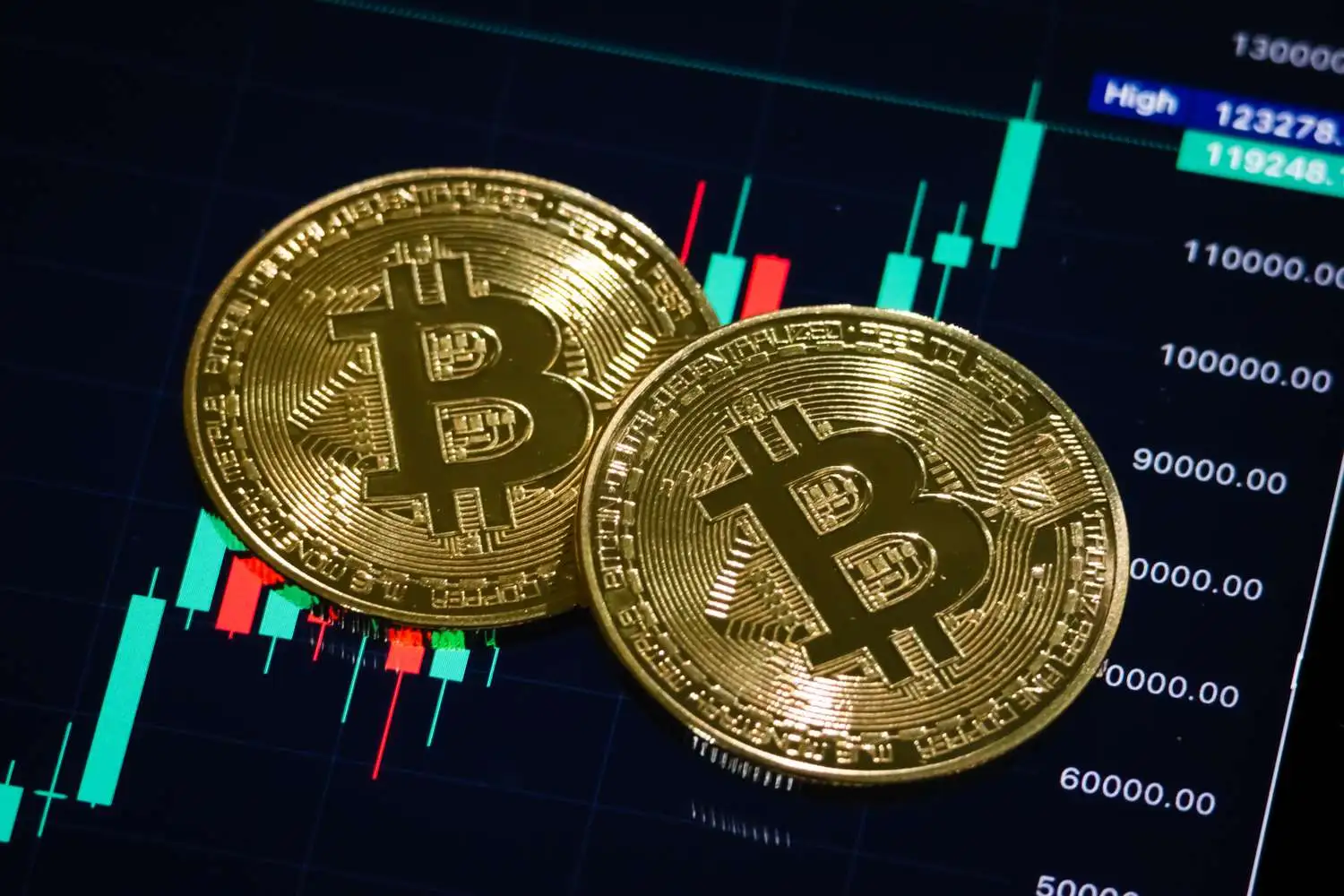
Understanding Bitcoin Price Dynamics
The bitcoin price is not merely a number; it constitutes the culmination of numerous factors that interact within the volatile landscape of cryptocurrency. Understanding the dynamics influencing Bitcoin’s valuation is crucial for anyone looking to invest or simply comprehend digital assets.
What Influences the Bitcoin Price?
Several elements dictate the price of Bitcoin, ranging from market supply and demand to macroeconomic indicators. The interplay of these factors determines whether the price ascends or descends:
- Supply and Demand: The total supply of Bitcoin is capped at 21 million coins, creating an inherent scarcity. When demand surges, the limited supply can drive prices upward.
- Market Sentiment: Sentiment around market trends and price predictions influences trader behavior, thus impacting overall prices.
- Institutional Investment: Increased interest from institutional investors often signals bullish sentiment, consequently impacting prices positively.
- Technological Developments: Innovations within the Bitcoin network, such as upgrades and enhancements, can bolster confidence and drive prices higher.
- Global Economic Indicators: Economic trends such as inflation rates, interest rates, and stock market performance can indirectly influence Bitcoin’s perceived value as a ‘hedge’ against traditional financial systems.
Market Trends Affecting Bitcoin Value
The cryptocurrency market thrives on trends that can shift rapidly. Keeping an eye on market trends is essential for understanding Bitcoin’s pricing trajectory:
- Adoption Rates: A growing acceptance of Bitcoin as a payment method influences its demand, thus boosting its price.
- Competing Cryptocurrencies: The rise of alternative digital currencies can siphon interest away from Bitcoin, leading to price fluctuations.
- Market Regulations: Regulatory developments can significantly impact market mechanics, either positively or negatively affecting Bitcoin prices.
- Media Coverage: Positive or negative news coverage can shape public perception and affect trading activity dramatically.
- Market Manipulation: With large wallets capable of influencing market prices, manipulation can lead to sudden spikes or drops.
Historical Price Movements of Bitcoin
Bitcoin’s price history is characterized by dramatic fluctuations. Analyzing these historical movements provides insights into the cryptocurrency’s behavior:
- Early Adoption Phase: Bitcoin began trading in 2010 at a negligible price, soaring to over $1,000 by late 2013.
- 2017 Bull Run: Bitcoin achieved unprecedented highs nearing $20,000, driven by a frenzy of speculative trading.
- Market Correction (2018): Following the meteoric rise, Bitcoin’s price plummeted to the $3,000 range, reflecting the cyclical nature of the crypto market.
- Resurgence (2020-2021): A renewed interest in Bitcoin saw it surge to new all-time highs, breaking past $60,000 in early 2021.
Key Factors Driving Bitcoin Value Today
The current valuation of Bitcoin is not simply a reflection of its historical trends but is also shaped by contemporary factors:
Economic Indicators Impacting Bitcoin Price
Economic indicators are pivotal for Bitcoin’s performance. Factors such as inflation, currency fluctuations, and employment rates can affect investor sentiment and thus influence price movements:
- Inflation Rates: High inflation may drive investors to seek alternative stores of value like Bitcoin, potentially pushing prices up.
- Interest Rates: Changes in interest rates can alter investment strategies, shifting attention toward or away from Bitcoin.
- Global Financial Stability: During times of economic instability, Bitcoin is often seen as a ‘safe haven’ asset, enhancing its appeal.
Technology and Adoption in Bitcoin Trading
Technological advancements and increased adoption play a significant role in Bitcoin’s valuation today:
- Wallet and Exchange Innovations: Enhanced security features and user interfaces increase accessibility and trust, fostering broader adoption.
- Integration into Financial Systems: Acceptance of Bitcoin by payment methods, ATMs, and financial institutions boosts its legitimacy and price potential.
- Blockchain Technology Advances: Improvements that enhance transaction speed and reduce fees can encourage use and increase demand.
Global Cryptocurrency Regulations
Currency regulations continue to evolve globally. The impact of these laws is profound:
- Legal Frameworks: Clear laws can stabilize market volatility, enhancing investor confidence in Bitcoin.
- Tax Implications: Systems with more favorable tax treatment for cryptocurrencies may see a surge in transactions, positively affecting prices.
- Compliance Measures: Regulations promoting transparency can protect investors and increase market legitimacy.
Real-time Bitcoin Price Tracking
Staying updated on the Bitcoin price is critical for traders and investors. Various tools can facilitate real-time monitoring and analysis:
How to Access Live Bitcoin Prices
Live Bitcoin prices are accessible through various platforms like exchanges, financial news apps, and dedicated cryptocurrency websites:
- Cryptocurrency Exchanges: Platforms where Bitcoin is traded provide up-to-date pricing based on real-time transactions.
- Financial News Websites: Solutions like CoinMarketCap offer price updates in conjunction with market news.
- Mobile Applications: Dedicated apps can send price alerts and give real-time tracking capabilities.
Tools and Platforms for Bitcoin Price Analysis
Using technical analysis can empower users to forecast price movements meaningfully. Commonly used analysis tools include:
- Charting Software: Allows traders to visualize price action over time and detect patterns.
- Technical Indicators: Tools such as Moving Averages or Relative Strength Index (RSI) help to analyze market trends.
- Sentiment Analysis Tools: Platforms that measure public sentiment can predict price movements and market trends.
Understanding Price Charts for Bitcoin
Price charts are essential for Bitcoin analysis. Here’s how to analyze them effectively:
- Candlestick Patterns: Learning to read candlestick formations can indicate future market movements.
- Volume Analysis: Higher trading volumes along with price movement can signify stronger trends.
- Historical Comparisons: Analyzing past price movements assists in recognizing recurring trends.
Future Predictions for Bitcoin Price
Bitcoin’s future price remains a hot topic in financial discourse. While unpredictable, several factors can shape its trajectory:
Expert Forecasts for Bitcoin Value
Experts provide various forecasts based on technical analysis and market sentiment. Although opinions diverge, several common themes emerge:
- Long-term Growth Outlook: Many analysts predict a positive trajectory contingent on the broadening acceptance of Bitcoin.
- Volatility Expectations: Amidst expected growth, analysts caution about the potential for short-term price corrections.
- Influence of Institutional Adoption: Significant investments by institutional players may drive Bitcoin prices to new highs.
Potential Market Scenarios for Bitcoin
Hypothetical market scenarios illustrate various pathways Bitcoin’s price might traverse:
- Continuing Adoption Scenario: If Bitcoin continues gaining mainstream traction, market prices could substantially rise.
- Regulatory Intervention Scenario: Stringent regulations could deter investments, negatively impacting price.
- Technological Advancement Scenario: Breakthroughs in technology may advance Bitcoin’s utility, thus bolstering its value.
Long-term Trends in Bitcoin Pricing
Long-term trends reflect broader market mechanics and user psychology. A few potential trends to monitor include:
- Institutional Investment Increase: Increased participation by institutional investors may stabilize Bitcoin prices.
- Innovations in Blockchain: Developments in the Bitcoin protocol may push its usability and demand upward.
- Integration with Everyday Transactions: A possible uptick in Bitcoin being used for daily purchases can contribute to price resilience.
Frequently Asked Questions about Bitcoin Price
How is Bitcoin price determined?
The Bitcoin price is determined by the market through the interaction of supply and demand, influenced by economic conditions, institutional investment, and technology advancements.
What is the all-time high for Bitcoin?
Bitcoin’s all-time high reached approximately 91,508.01 United States Dollar, reflecting extreme market speculation and investor enthusiasm during peak trading periods.
How often does the Bitcoin price change?
The Bitcoin price fluctuates continuously, changing frequently throughout each day based on market demand, trading activity, and external factors impacting sentiment.
Where can I view the Bitcoin price?
The Bitcoin price can be viewed on various cryptocurrency exchanges, financial news websites, and dedicated mobile applications that provide real-time updates and tracking tools.
Is investing in Bitcoin risky?
Investing in Bitcoin carries inherent risks due to its volatility, regulatory uncertainties, and market manipulation. Individuals should conduct thorough research before investing.