The Rise of Flower Vending Machines in Retail
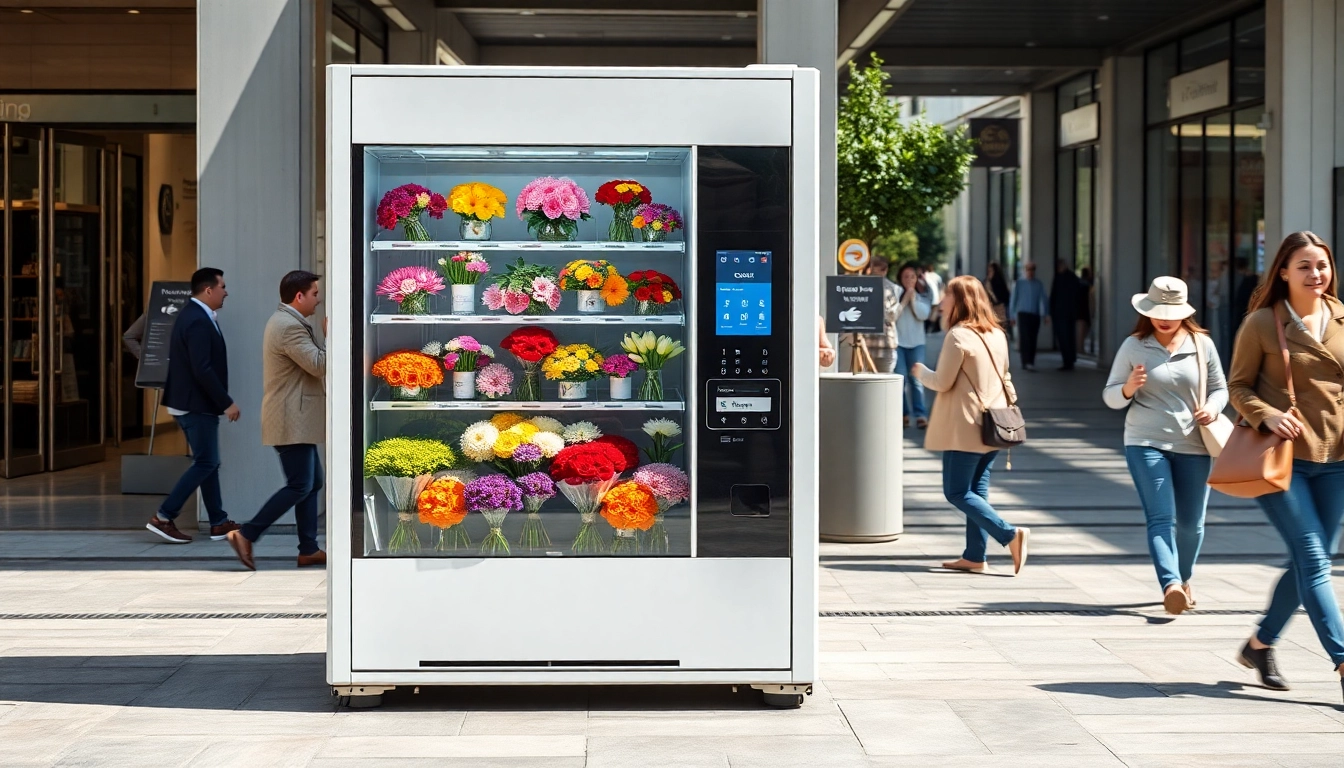
In recent years, the retail landscape has experienced a significant transformation, with flower vending machines emerging as a novel solution to consumer demands for convenience and accessibility. These automated units have quickly gained traction in various urban settings, offering fresh floral arrangements around the clock. As the market evolves, understanding the driving trends behind this innovation is crucial for businesses looking to capitalize on the growing demand for instant gratification in retail.
1. Market Trends and Consumer Demand
The growing trend of instant accessibility has fueled the rise of flower vending machines, particularly among younger demographics who prioritize convenience. According to recent studies, approximately 70% of millennials are willing to purchase flowers through automated solutions, illustrating a marked shift from traditional purchasing methods. This market demand has prompted retailers to explore innovative distribution channels that cater to this preference.
Moreover, consumer preferences are shifting towards experiential purchasing, where the buying process itself adds value. Flower vending machines provide an interactive experience, allowing consumers to choose from a selection of fresh flowers, often presented in an aesthetically pleasing manner. This experience not only enhances customer satisfaction but also drives repeat sales in high-traffic areas.
2. Benefits of 24/7 Flower Access
One of the primary advantages of flower vending machines is their ability to operate around the clock, providing customers with access to fresh flowers at any time. This is particularly beneficial in urban environments where traditional florists may have limited operating hours. With these machines, customers can seamlessly purchase bouquets at odd hours, fulfilling spontaneous gifting needs, such as last-minute apologies or celebrations.
Additionally, the 24/7 access contributes to increased sales. By positioning these machines strategically in high-traffic locations, retailers can capitalize on foot traffic during late-night or early-morning hours when other vendors are closed. This accessibility not only meets consumer demand but also maximizes potential revenue streams.
3. How Flower Vending Machines Are Changing Retail
Flower vending machines are revolutionizing the retail floral market by providing a self-service alternative that reduces the need for staff. This model allows for lower operational costs, as fewer employees are required to manage sales. Furthermore, these machines often incorporate cashless payment options, enhancing the buying experience while streamlining transactions.
Retailers can also leverage technology in these machines, with many units now offering interactive touchscreens that provide information about flower types, care tips, and even customization options. This level of engagement not only educates the consumer but also fosters brand loyalty.
Choosing the Right Flower Vending Machine
1. Key Features to Consider
When investing in a flower vending machine, it’s essential to consider a range of key features that can impact user experience and operational efficiency. Key features to look for include:
- Temperature Control: Ensuring that flowers are stored at optimal temperatures is crucial for maintaining freshness.
- Size and Capacity: Choose a machine that fits your available space and meets consumer demand for variety.
- Payment Options: Machines should support multiple payment methods, including mobile wallets and credit cards, to cater to diverse consumer preferences.
- Monitoring Systems: Smart vending machines equipped with IoT technology allow for real-time inventory tracking and sales monitoring.
2. Customization Options for Unique Selling Points
Customization is vital for distinguishing your flower vending machine in an increasingly competitive market. Options may include branding through unique designs, personalized digital displays, or custom bouquets tailored to seasonal events and local preferences. Providing such tailored services can enhance customer engagement and foster a deeper connection with the brand.
Moreover, consider incorporating advertising spaces within the machine’s interface or physical design to generate additional revenue streams by promoting local businesses or seasonal products.
3. Comparing Popular Models and Brands
In the current market, several brands offer varying models of flower vending machines, each featuring unique attributes. Brands like IMT, Silkron, and HyperVend are notable for their high-quality machines equipped with advanced technology. When comparing models, consider factors such as:
- User Interface: A user-friendly interface is essential for ensuring a seamless buying experience.
- Durability: The machine should withstand outdoor elements if placed in locations such as parks or mall entrances.
- Customer Support: Check for available customer service options for troubleshooting and maintenance, as this can significantly affect operational uptime.
Location Strategies for Maximum Impact
1. Ideal Placement for High Traffic Areas
Effective placement of flower vending machines is critical for maximizing visibility and sales. High-traffic areas such as airports, shopping malls, and hospitals are prime locations due to their consistent foot traffic. Additionally, special events like concerts and festivals provide temporary opportunities to boost sales significantly through strategic machine placements.
It is also worth considering placement in proximity to traditional flower shops where foot traffic may convert into vending machine sales, especially when consumers observe a broader variety of options available.
2. Seasonal Considerations for Flower Sales
Flower sales often peak during certain seasons and events, such as Valentine’s Day, Mother’s Day, and weddings. Marketers should anticipate these fluctuations by adjusting inventory levels and machine offerings accordingly. Furthermore, promotional campaigns tied to seasonal themes can enhance sales, encouraging customers to buy flowers for celebrations.
By analyzing sales data from previous seasons and adapting strategies based on customer preferences, vending machine operators can optimize their offerings for the most profitable periods.
3. Partnership Opportunities for Enhanced Visibility
Forming partnerships with local businesses can amplify the visibility and success of flower vending machines. Collaborating with event planners, hotels, and restaurants can lead to joint promotions or exclusive offers. For instance, offering a discount on bouquet purchases for guests at a nearby hotel can drive traffic to the machine and foster a symbiotic business relationship.
Operational Insights: Managing Your Flower Vending Machine
1. Inventory Management Tips and Best Practices
Effective inventory management is vital to ensure the freshness of the flowers sold through vending machines. Implementing a system to regularly check stock levels, rotate inventory based on expiration dates, and replenish supplies as needed can mitigate losses and maintain quality. Use real-time monitoring systems to track sales and predict inventory needs more accurately.
2. Utilizing Technology for Streamlined Operations
Technology plays a crucial role in the efficiency of operating flower vending machines. Automated systems can provide alerts for low inventory, track sales, and even analyze customer purchasing patterns. This data can inform business strategies, helping operators make data-driven decisions about supply and demand.
Additionally, investing in a robust software platform that integrates customer engagement tools, such as loyalty programs and marketing promotions, can enhance customer relations and boost sales.
3. Customer Engagement Strategies Through Digital Interfaces
Digital interfaces on flower vending machines can serve as a powerful tool for customer engagement. Providing interactive features, such as personalized bouquet suggestions based on occasions or preferences, can enhance the shopping experience. Engagement strategies can include:
- Feedback Mechanisms: Encourage customers to give feedback through surveys integrated into the machine’s interface.
- Social Media Integration: Allow customers to share their purchases on social media directly from the machine, increasing brand visibility.
- Promotional Offers: Display current promotions or discounts on the digital screen to entice purchases.
Future Trends in the Flower Vending Industry
1. Integrating Sustainability into Operations
As consumers become more environmentally conscious, integrating sustainable practices into flower vending operations will be essential. This can include using biodegradable packaging, sourcing flowers from local growers who practice sustainable farming, or adopting eco-friendly vending machine materials. These practices not only contribute to environmental preservation but also resonate with consumers, enhancing brand loyalty.
2. The Impact of Smart Technology on Vending
The ongoing advancements in smart technology are set to revolutionize the flower vending industry. Future machines may incorporate AI to personalize offerings based on customer preferences, predictive analytics for inventory management, and enhanced payment options that include cryptocurrencies. These technological enhancements will create a more seamless and engaging customer experience.
3. Predictions for the Flower Vending Market by 2025
Looking ahead, the flower vending market is poised for significant growth, driven by ongoing changes in consumer behavior and advances in technology. By 2025, we can expect to see a rise in the number of installations, diversified product offerings, and greater interaction through mobile apps or websites linked to vending machines. Moreover, sustainability efforts will likely become a selling point, as consumers increasingly seek eco-friendly options in all aspects of their purchases.