Understanding Structural Steel Fabrication
Definition and Importance of Structural Steel Fabrication
Structural steel fabrication is a vital aspect of the construction industry, referring to the process of cutting, shaping, and assembling steel into various structural components used in buildings, bridges, and other infrastructure. This process not only ensures the durability and safety of constructions but also contributes significantly to the overall efficiency of structural design. Proper fabrication techniques help in optimizing materials, reducing waste, and facilitating easier assembly on-site. For many architects and engineers, collaborating with a reliable firm specializing in structural steel fabrication is essential for successful project completion.
Key Materials Used in Structural Steel Fabrication
The foundation of structural steel fabrication lies in the quality of materials used. Predominantly, various grades of steel, such as carbon steel, alloy steel, and stainless steel, are employed due to their mechanical properties, strength, and versatility. Carbon steel is commonly used for its balance of strength and affordability, while alloy steel is prized for its added features, such as improved corrosion resistance or heat stability. Additionally, protective coatings and adhesives are essential to enhance the durability of fabricated components, ensuring they withstand environmental challenges and structural stresses.
The Role of Engineering in Structural Steel Fabrication
Engineering plays a crucial role in structural steel fabrication, as it encompasses the design and planning phases that precede fabrication. Structural engineers analyze the expected loads and stresses on the steel framework, creating specifications that dictate how the steel should be fabricated and assembled. These specifications ensure that the final structure meets safety regulations and building codes. Advanced computational tools and simulations enable engineers to predict how structural elements respond to various forces, further refining fabrication processes.
Processes Involved in Structural Steel Fabrication
Cutting, Welding, and Assembly Techniques
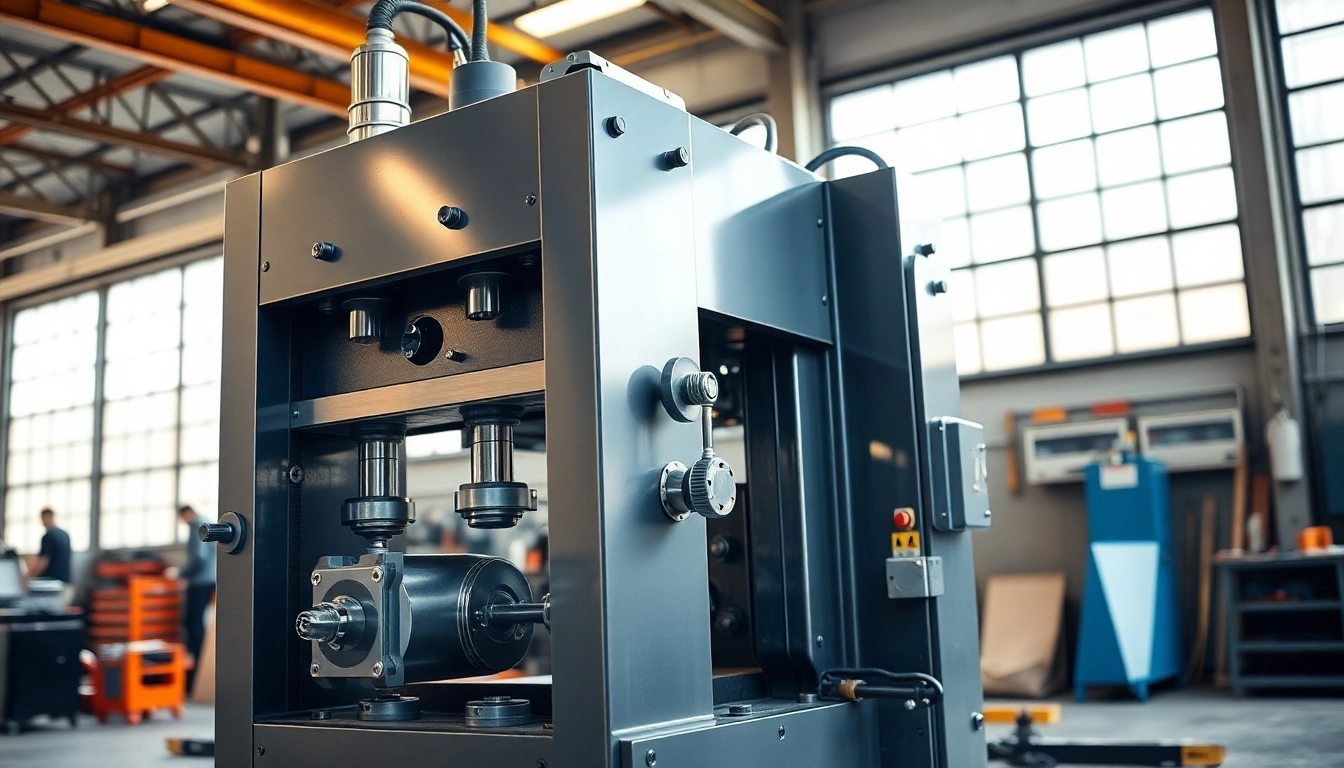
The fabrication process begins with cutting steel to precise dimensions using advanced machinery such as laser cutters or plasma cutters. Following cutting, welding is a predominant method used to join steel pieces together, employing techniques like MIG (Metal Inert Gas) and TIG (Tungsten Inert Gas) welding, which provide strength and durability to the joints. Assembly methods vary from on-site erection to using prefabricated units, enabling efficient construction timelines. Selecting the appropriate cutting and welding techniques is critical for ensuring structural integrity and stability.
Quality Control Measures in Structural Steel Fabrication
Quality control is paramount in structural steel fabrication to maintain standards and ensure safety. Inspection measures include non-destructive testing methods such as ultrasonic testing and radiography, which assess weld integrity without damaging materials. Furthermore, adherence to quality standards and certifications, such as ISO 9001, helps ensure that fabrication processes comply with industry regulations, providing confidence in the final product. Regular audits and feedback loops are critical for continuous improvement in quality control practices.
Innovative Technologies Transforming Fabrication Processes
The structural steel fabrication industry is rapidly evolving, with innovative technologies making a significant impact. 3D modeling and Building Information Modeling (BIM) allow for better visualization and communication of designs and fabrication processes. Automation technologies, such as robotic arms for welding and cutting, enhance precision and reduce labor costs. Additionally, the integration of Internet of Things (IoT) devices enables real-time monitoring of equipment and processes, facilitating predictive maintenance and reducing downtime.
Applications of Structural Steel Fabrication
Commercial and Industrial Uses
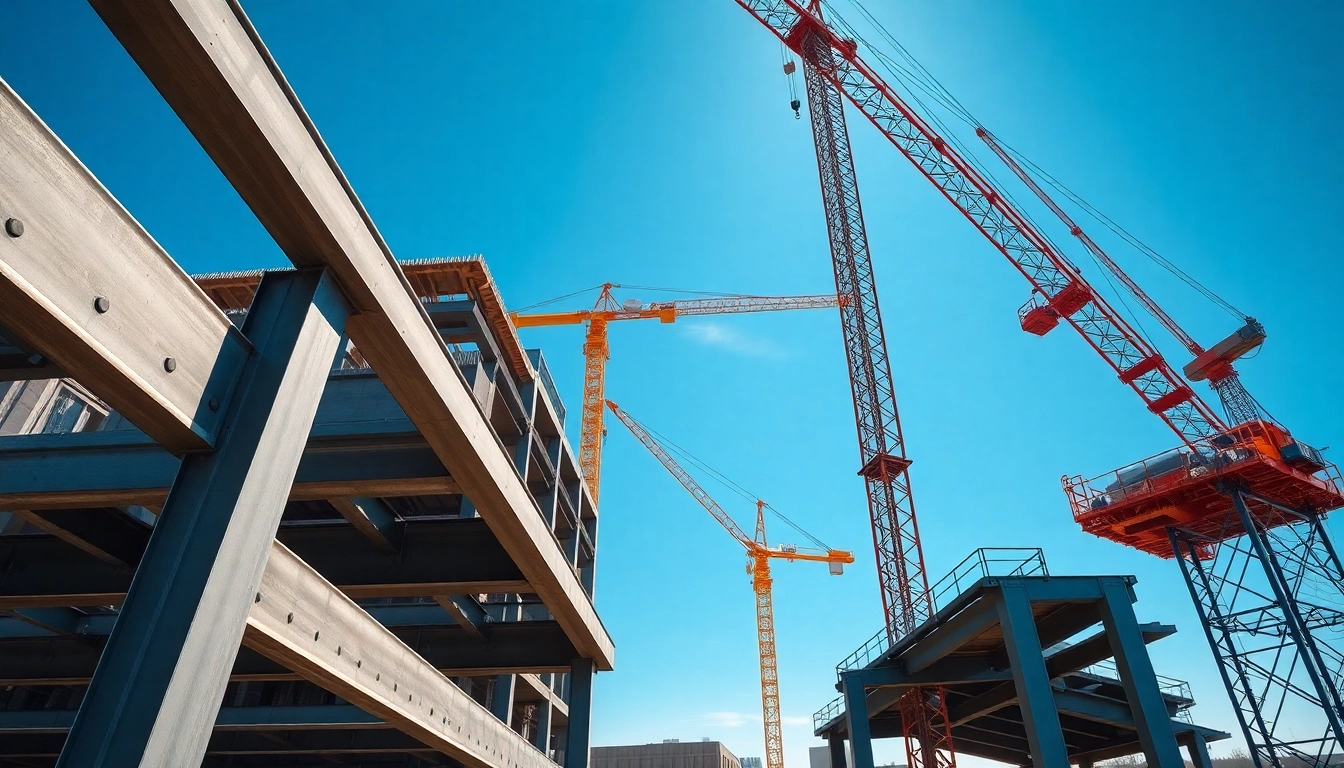
Structural steel fabrication finds widespread applications in commercial and industrial sectors. From skyscrapers to factory setups, steel frames provide the necessary strength and flexibility. In commercial settings, steel is often used for creating impressive facades, large open spaces, and load-bearing structures. The adaptability of fabricated steel allows for quick modifications and expansions as businesses grow, making it a preferred choice for cost-effective construction.
Residential Applications of Structural Steel Fabrication
In residential construction, structural steel fabrication is increasingly used for modern homes and multi-family units. Steel offers superior durability compared to traditional materials and is less affected by issues like rot or termite damage. Its lightweight nature allows for more innovative architectural designs, as beams and joists can span larger distances without support columns, creating open living spaces. Furthermore, lower maintenance requirements make structural steel an attractive option for homeowners.
Infrastructure Projects Driven by Steel Fabrication
Infrastructure projects, such as bridges, highways, and railways, heavily rely on structural steel fabrication. Steel’s tensile strength and resistance to environmental degradation make it ideal for such constructions where safety and longevity are paramount. Fabricated steel components are prefabricated for accuracy and assembled on-site, drastically reducing project timelines. Moreover, innovative design options in bridge construction, such as steel arch and cable-stayed bridges, showcase the capabilities of structural steel in enhancing aesthetics and functionality.
Challenges Faced in Structural Steel Fabrication
Cost Management in Fabrication Projects
Cost management is a prominent challenge in structural steel fabrication, impacted by fluctuating material prices, labor costs, and project timelines. Effective budgeting and project management practices are essential to ensure projects remain within financial constraints. Implementing lean construction principles and optimizing manufacturing processes can help reduce waste and enhance efficiency, ultimately leading to significant cost savings without compromising quality.
Addressing Safety and Compliance Standards
Compliance with safety regulations is critical in structural steel fabrication to protect workers and maintain structural integrity. Adhering to guidelines set by organizations such as OSHA ensures that manufacturers implement safety protocols during fabrication and installation. Safety training programs, regular inspections, and promoting a culture of safety within the workplace contribute to minimizing accidents and ensuring compliance with safety standards.
Dealing with Material and Supply Chain Issues
Supply chain management presents several challenges for structural steel fabrication, particularly in fluctuating material availability and delivery timelines. Diversifying suppliers and maintaining strong relationships with vendors can help mitigate risks associated with material shortages. Additionally, adopting just-in-time delivery models can enhance efficiency by minimizing inventory costs while ensuring materials are available when needed for production.
Future Trends in Structural Steel Fabrication
Green Practices and Sustainable Fabrication
Sustainability is becoming an integral focus in structural steel fabrication, driven by increasing environmental concerns. Green practices include using recycled steel, which reduces energy consumption and waste production. Implementing eco-friendly coatings and adhesives further supports sustainable practices while enhancing durability. As the industry progresses, adopting sustainable technologies will likely become standard to minimize the ecological footprint of construction projects.
The Impact of Automation in Fabrication
The integration of automation in structural steel fabrication is transforming production processes by increasing efficiency and precision. Automated systems can handle repetitive tasks such as cutting and welding, reducing human error and increasing productivity. However, this shift requires a workforce skilled in operating advanced machinery and understanding digital fabrication technologies. Training programs are essential to prepare current and future workers for this evolving landscape.
Emerging Materials in Structural Steel Fabrication
The materials used in structural steel fabrication are continuously evolving, with promising developments in high-strength steels and composite materials. These materials offer enhanced performance characteristics such as improved weight-to-strength ratios and greater resistance to environmental factors. As research and development in material science advance, these emerging options may redefine standards in structural design and fabrication methods.
FAQs
What is structural steel fabrication?
Structural steel fabrication is the process of cutting, shaping, and assembling steel structures for various applications, ensuring they meet specific engineering standards.
What are the main materials used in this fabrication process?
The primary materials include various grades of steel, adhesives, and protective coatings that enhance durability and strength.
How does safety play a role in structural steel fabrication?
Safety is critical; firms need to follow strict regulations to protect workers and ensure structural integrity during and after construction.
Can structural steel be recycled?
Yes, one of the benefits of steel is its recyclability, making it an eco-friendly choice for construction projects.
What future trends are influencing structural steel fabrication?
Trends include sustainability practices, increased automation, and the use of advanced materials, leading to efficient and safer fabrication processes.