
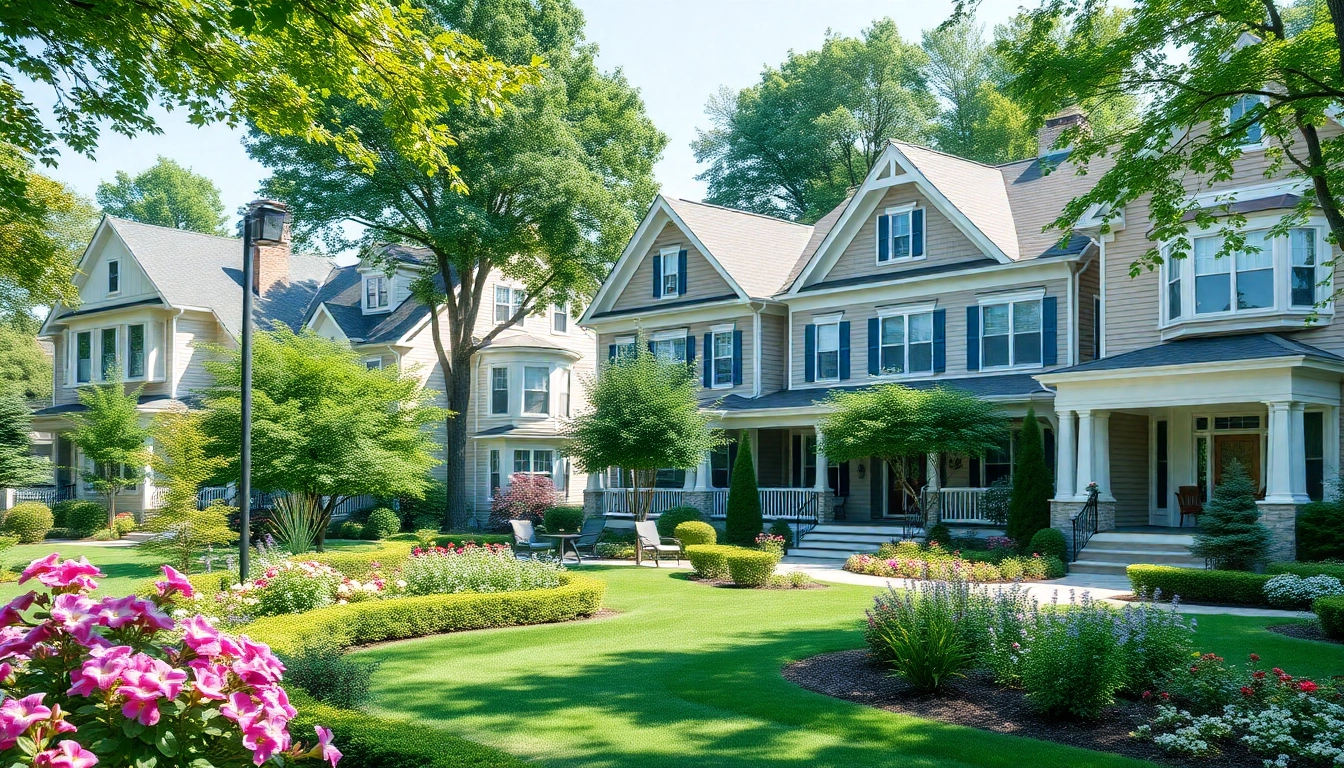
Understanding Massachusetts Residential Architecture
Massachusetts is often heralded for its rich historical tapestry, lush landscapes, and dynamic urban settings. At the heart of this are the homes that breathe life into the state’s neighborhoods. Understanding the nuances of Massachusetts residential architecture involves delving into its historical context, distinctive styles, and the critical role that thoughtful design plays in residential spaces.
Historical Context and Styles
Massachusetts boasts a diverse architectural style reflecting its long-standing history, beginning with early Colonial homes dating back to the 1600s. These early structures often showcased timber framing, steep roofs, and symmetrical façades. As the region evolved, so did its architectural styles, influenced by factors like the Industrial Revolution and waves of immigration.
The Georgian style, prominent in the 18th century, is characterized by its brick façades and classical detailing, while the Federal style is known for its simplicity and elegance, featuring fanlight windows and decorative cornices. By the 19th century, Victorian architecture introduced intricate detailing, turrets, and vibrant colors, bringing a distinct personality to many neighborhoods.
Today, elements of these historical styles are often blended with modern influences, resulting in a unique architectural landscape where classic meets contemporary. This fusion reflects the state’s ongoing growth and adaptability to modern living while respecting its storied past.
Key Features of Massachusetts Homes
Homes in Massachusetts often exhibit specific features that set them apart. One such characteristic is the use of high ceilings, which enhances natural light and creates an open feeling within the space. Many residences also incorporate large windows, a nod to the scenic vistas that can be found across the state.
Externally, the color palettes range from subdued earth tones to brighter hues typical of coastal areas. In more urban settings, brownstone and brick homes are prominent, reflecting the personality of their respective environments. Many Massachusetts homes also prioritize outdoor spaces, with porches, decks, and gardens that enhance the living experience.
Importance of Design in Residential Spaces
The importance of thoughtful design cannot be overstated in Massachusetts residential architecture. A well-designed home should not only be visually appealing but also functional for the families that inhabit it. Effective design considers factors such as flow, space utilization, and accessibility. Families often require spaces that accommodate varied lifestyles—from home offices to play areas, fostering a supportive environment for everyone.
In addition to practicality, design plays a crucial role in sustainability, addressing issues such as energy efficiency and eco-friendly materials. Architects and homeowners alike increasingly recognize that a smart design can reduce environmental impacts while enhancing the quality of life.
Common Challenges in Massachusetts Residential Architecture
Despite the beauty and uniqueness of Massachusetts residential architecture, several challenges hinder the process of creating the ideal home. These challenges necessitate thoughtful solutions and careful planning to overcome.
Balancing Aesthetics and Functionality
One perennial challenge is balancing aesthetics with functionality. Homeowners often desire striking architectural features, yet the function often dictates layout and materials used. Choices must prioritize how spaces will be used daily while also fulfilling the aesthetic vision. Engaging with expert architects can help find that balance, ensuring homes are not only beautiful but also livable.
Adapting to Local Climate Conditions
Massachusetts experiences a varied climate which impacts its residential architecture significantly. Cold winters, hot summers, and significant snowfall can influence construction materials, insulation, and layout design. Homes should be designed with climate adaptability in mind, promoting energy efficiency while ensuring comfort for residents year-round. This might include features such as energy-efficient windows and roofs that can withstand heavy snow.
Dealing with Urban Planning Regulations
For many homeowners, navigating local regulations and zoning laws can be daunting. Massachusetts is known for its intricate building codes, especially in historical districts where maintaining architectural integrity is paramount. Engaging with local planning boards early in the design process can help ensure compliance, preventing delays and additional costs later on.
Best Practices for Design and Renovation
Intentional design practices build strong homes that serve the community well while respecting Massachusetts’s natural beauty. Here are some best practices that foster both sustainability and livability.
Incorporating Sustainable Practices
As the awareness of climate change grows, many homeowners seek to embrace sustainable building practices. This includes using renewable resources, energy-efficient systems, and environmentally friendly materials. Incorporating features like solar panels, green roofs, and rainwater collection systems not only benefits the environment but often reduces long-term energy costs, creating a win-win scenario.
Utilizing Local Materials
Another best practice is the use of locally sourced materials. This approach supports local economies, reduces transportation emissions, and integrates homes more seamlessly into their surroundings. Whether it’s through locally quarried stone, hardwoods, or artisanal brick, utilizing local materials fosters a greater connection between architecture and the unique landscape of Massachusetts.
Tailoring Designs to Client Needs
Customizing designs to suit the specific needs of clients is paramount. Engaging in thorough consultations allows architects to fully understand the lifestyles, preferences, and challenges faced by homeowners. This results in tailored solutions that maximize space, enhance comfort, and reflect the personal style of the inhabitants. A one-size-fits-all approach often fails to meet the diverse needs found in Massachusetts homes, emphasizing the importance of bespoke design.
Emerging Trends in Massachusetts Residential Architecture
The landscape of residential architecture in Massachusetts is continually evolving, shaped by technology, lifestyle changes, and cultural movements. Here are some emerging trends that are redefining the way Massachusetts residents view their living spaces.
Smart Home Innovations
Smart home technology is rapidly gaining traction, allowing homeowners to integrate functionality and convenience into their daily lives. Features like intelligent thermostats, automated lighting, and smart security systems not only enhance security and energy efficiency but also offer a modern touch to residential designs. As technology grows, so does the opportunity for sophisticated integration within home architecture.
Open Floor Plans and Flexible Spaces
The preference for open floor plans is reshaping traditional layouts, favoring multifunctional areas that promote interaction and flexibility. Many homeowners are opting for spaces that can be easily reconfigured to meet changing needs, whether for hosting gatherings or accommodating remote work. This trend toward fluidity supports informal living and encourages family bonding.
Emphasizing Outdoor Living Areas
As the importance of outdoor spaces grows, many architects are emphasizing designs that extend living areas outdoors. Patios, decks, and landscaped gardens have become standout features in residential architecture, providing respite and a connection to nature. Outdoor kitchens and living rooms are also increasing in popularity, as homeowners seek to maximize their enjoyment of the natural surroundings.
Measuring Success in Residential Architectural Projects
Success in residential architecture can be gauged through various benchmarks. Understanding these metrics can help architects and homeowners assess whether their vision has been realized.
Client Satisfaction and Feedback
Measuring client satisfaction is perhaps the most direct indicator of success. Regular feedback sessions throughout the design and building process ensure that expectations are met, and any concerns are addressed timely. A focus on creating a positive experience leads to stronger relationships and referrals.
Durability and Longevity of Structures
An essential aspect of residential architecture is the durability of structures. Using high-quality materials and robust construction techniques ensures that homes can withstand the test of time and the challenges posed by Massachusetts’s varied climate. A successful design should be able to maintain its integrity and aesthetics over decades.
Market Value and Investment Potential
Finally, the market value of a home is also an essential measure of success. Well-designed homes that incorporate the latest trends and meet residents’ needs often appreciate over time. Conducting due diligence on local market trends not only benefits homeowners during a sale but also informs future design decisions on new projects.
FAQs about Massachusetts Residential Architecture
What architectural styles are most common in Massachusetts?
Common architectural styles include Colonial, Georgian, Federal, Victorian, and contemporary designs, each reflecting different historical periods and cultural influences.
How do climate conditions in Massachusetts influence home design?
Maine’s varied climate necessitates designs that optimize energy efficiency, resilience to snow, and comfortable indoor environments, often incorporating robust insulation and storm-resistant features.
What are some trends in Massachusetts residential architecture?
Current trends include smart home technology, open floor plans, outdoor living spaces, and sustainable building practices, reflecting modern lifestyle preferences and environmental concerns.
Why is sustainable architecture important in Massachusetts?
Sustainable architecture is crucial for minimizing environmental impact, enhancing energy efficiency, and ensuring long-term viability for residential projects across varying climates.
How can homeowners improve their residential architecture?
Homeowners can improve their architecture by working with experienced architects to customize designs that meet unique needs, prioritize sustainability, and incorporate local materials.