

Understanding the g16 Bulb: Features and Benefits
What is a g16 Bulb?
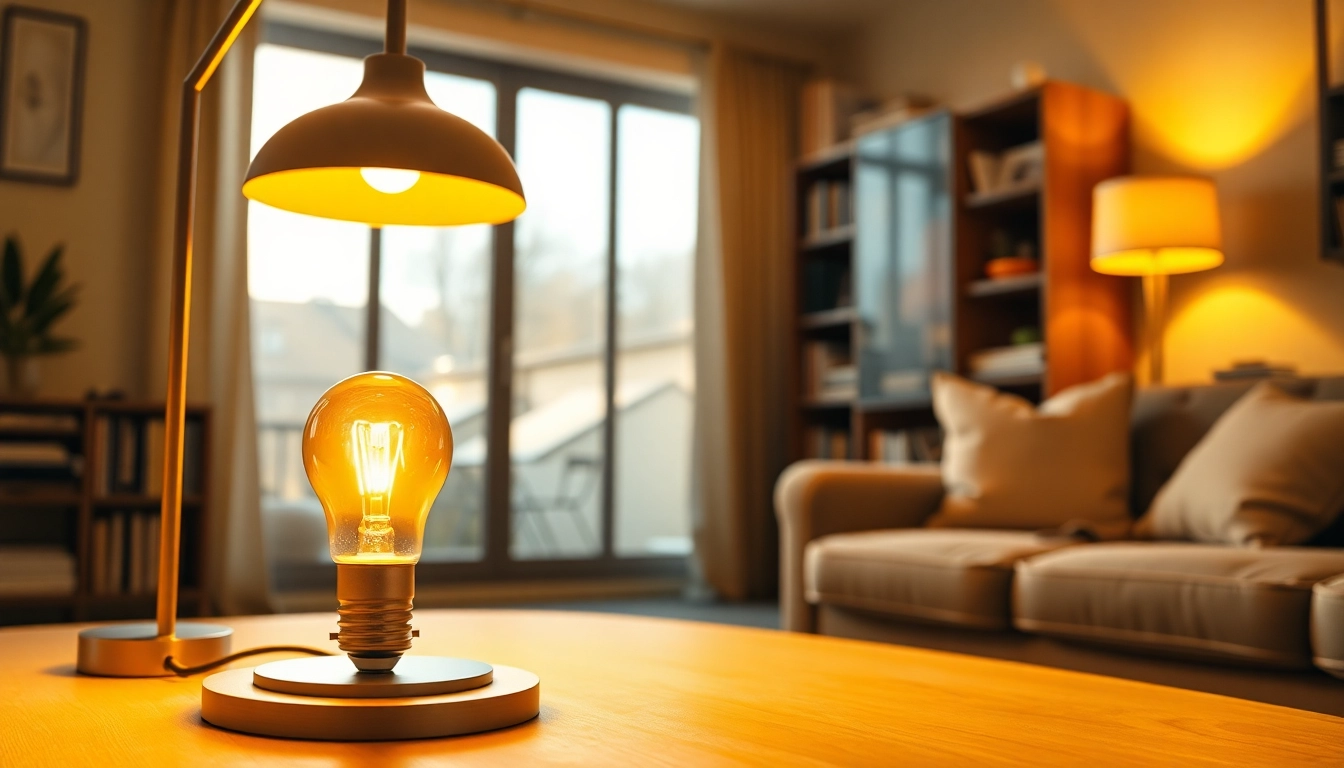
The g16 bulb is a compact lighting solution often used in decorative and functional settings. This bulb features a globe-like shape with a diameter of 2 inches, making it ideal for applications where aesthetics and performance converge. It’s typically available in various technologies, including incandescent, LED, and fluorescent, each offering different advantages and characteristics.
Energy Efficiency of the g16 Bulb
One of the standout features of the g16 bulb, particularly in its LED form, is its energy efficiency. These bulbs consume significantly less energy while providing the same, if not more, light output compared to traditional incandescent bulbs. For instance, a 2-watt LED g16 bulb can produce as much light as a 20-watt incandescent bulb, leading to substantial energy savings over time. Additionally, LED g16 bulbs have a much longer lifespan—often rated for 15,000 hours or more compared to the 1,000 hours of a typical incandescent bulb, contributing to less frequent replacements and lower waste.
Applications: Where to Use the g16 Bulb
The versatility of the g16 bulb makes it suitable for a variety of applications. It’s commonly used in:
- Chandeliers: Their decorative shape enhances the overall aesthetic of any space.
- Wall sconces: The g16 bulb can provide ambient lighting that complements the room’s decor.
- String lights: Ideal for parties or festive decor, these bulbs add a warm, inviting glow.
- Bathroom fixtures: G16 bulbs deliver adequate lighting without being overpowering.
Choosing the Right g16 Bulb for Your Needs
Types of g16 Bulbs Available
When selecting a g16 bulb, understanding the types available can significantly influence your decision. The primary types include:
- Incandescent g16 bulbs: These provide a warm light but are less energy-efficient compared to their LED counterparts.
- LED g16 bulbs: Highly energy-efficient, these bulbs offer longevity and various color temperatures.
- Halogen g16 bulbs: A type of incandescent, halogen bulbs are known for their brightness and suitability for dimming applications.
- Fluorescent g16 bulbs: Though less common, these options are available; they provide better energy efficiency than traditional incandescent bulbs.
How to Choose the Right Brightness
Brightness in bulbs is measured in lumens. A higher lumen count indicates a brighter bulb. For g16 bulbs, the appropriate brightness often depends on the application:
- Ambient lighting: 300–600 lumens are typically sufficient.
- Task lighting: More focused activities may require upwards of 800 lumens.
- Decorative lighting: Lower lumen outputs can be effective; around 150–300 lumens often enhances aesthetics without overwhelming the space.
Color Temperature and Its Importance
Color temperature is measured in Kelvin (K) and affects the ambiance of a room. G16 bulbs come in various color temperatures:
- Warm white (2700K-3000K): Ideal for creating cozy atmospheres, often used in living rooms and bedrooms.
- Cool white (3500K-4100K): Suitable for bathrooms and kitchens where clarity and cleanliness are desired.
- Daylight (5000K+): Provides a bright, energizing light, great for workspaces.
Installation Tips for g16 Bulbs
Preparation Steps Before Installation
Before installing a g16 bulb, consider the following preparation steps to ensure safety and effectiveness:
- Always turn off the electricity to the fixture you are working on to avoid shock.
- Allow any previously installed bulbs to cool down if they were recently used.
- Gather necessary tools, such as gloves, a ladder (if needed), and a clean cloth to avoid touching the bulb directly with bare hands.
Step-by-Step Installation Guide
Follow these steps for a safe installation:
- Turn off power at the circuit breaker and verify the switch is off.
- Remove the old g16 bulb by turning it counterclockwise.
- Inspect the socket for any damage; replace it if necessary.
- Using gloves, carefully insert the new g16 bulb into the socket and turn it clockwise until secure.
- Restore power, and then test the new bulb to ensure it’s functioning properly.
Common Mistakes to Avoid During Installation
While installing a g16 bulb, avoiding these common pitfalls can make the process smoother:
- Not turning off power: Always ensure safety by disconnecting power.
- Mixing bulb types: Use the appropriate type and voltage for your fixture.
- Forcing the bulb: Never force a bulb into a socket; it can cause breakage or socket damage.
- Handling bulbs improperly: Use gloves to prevent oil from your skin from affecting the bulb’s performance.
Maintaining Your g16 Bulb for Longevity
Best Practices for Caring for Your Bulb
To extend the life of your g16 bulb, adhere to these maintenance practices:
- Regularly dust the bulbs to ensure full brightness and prevent overheating.
- Avoid using dimmers that are not compatible with the g16 bulb type, especially with LED variants.
- Monitor your bulb usage; frequent flickering may indicate an issue with the socket or wiring that needs attention.
Troubleshooting Common Issues
Occasionally, g16 bulbs may not operate correctly. Here are some troubleshooting tips:
- Flickering bulb: Check for loose connections or replace the bulb if it persists.
- No light: Inspect the socket for damage; it may need replacement.
- Burnt-out bulb: Replace as necessary—consider the lifespan of your bulbs for planning.
When to Replace Your g16 Bulb
It’s essential to recognize the signs that indicate a g16 bulb should be replaced:
- Flickering: Persistent flickering may mean the bulb is nearing the end of its life.
- Discoloration: If the glass appears cloudy or darkened from use, it’s time to get a new bulb.
- Reduced brightness: Noticeably dimmer output can indicate that replacement is necessary.
Frequently Asked Questions About g16 Bulbs
What is the lifespan of a g16 bulb?
The lifespan varies by type, but LED g16 bulbs can last up to 15,000 hours, while incandescent options typically last around 1,000 hours.
Can I use a g16 bulb outdoors?
Yes, but ensure you choose a waterproof and suitable fixture for outdoor use to protect from moisture and weather elements.
Are g16 bulbs dimmable?
Many LED g16 bulbs are dimmable, but always check packaging for compatibility with your dimmer switch to ensure proper function.
What wattage is ideal for g16 bulbs?
Wattage typically ranges from 2 watts (LED) to 20 watts (incandescent), selecting based on the intended brightness and application.
How do I dispose of old g16 bulbs safely?
Follow local regulations for disposal. For incandescent bulbs, regular trash is often acceptable; however, recycle LED and fluorescent bulbs due to potential hazardous materials.