Understanding Hydraulic System Maintenance
Maintaining a hydraulic system is crucial for ensuring its long-term performance, safety, and efficiency. Hydraulic systems are widely utilized across various industries, making effective hydraulic system maintenance pivotal. This article will explore the importance of regular maintenance, common issues that arise, and key practices to keep systems running optimally.
The Importance of Regular Maintenance
Regular maintenance of hydraulic systems can significantly reduce the risk of failures and costly repairs. It ensures that potential issues are identified and rectified before they escalate. This process not only enhances equipment longevity but also promotes safety for operators by reducing the likelihood of dangerous incidents. Moreover, well-maintained systems often show improved efficiency, resulting in energy savings and better overall performance of machinery.
Common Hydraulic System Issues
Hydraulic systems face various challenges that can lead to inefficiencies or failures. Common issues include:
- Contaminated Hydraulic Fluid: Contaminants can compromise fluid quality, affecting system performance.
- Leaking Seals and Fittings: Leaks can lead to fluid loss and reduced pressure, severely impacting system operation.
- Worn or Damaged Components: Over time, hydraulic components may wear down, necessitating replacement to prevent system failure.
Understanding these issues allows operators to better prepare and maintain their hydraulic systems.
Key Maintenance Practices
To combat these common issues, implementing straightforward maintenance practices is essential. These may include regular inspections, scheduled fluid replacement, and adhering to manufacturer recommendations for component replacements. By cultivating a well-organized maintenance routine, operators can significantly enhance the reliability and effectiveness of their hydraulic systems.
Essential Components of Hydraulic Systems
A comprehensive understanding of hydraulic system maintenance requires knowledge of the essential components involved. Each part plays a vital role in ensuring the system functions correctly and efficiently.
Hydraulic Pumps and Their Functions
Hydraulic pumps are considered the heartbeat of a hydraulic system, responsible for converting mechanical energy into hydraulic energy. Various types of pumps, such as gear pumps, piston pumps, and vane pumps, serve different applications depending on the required flow and pressure. Keeping pumps well-maintained ensures optimal energy transfer and performance.
Understanding Hydraulic Fluid Properties
The hydraulic fluid serves as the medium through which power is transmitted. Understanding the properties of hydraulic fluids—such as viscosity, compressibility, and temperature stability—is essential for effective maintenance. Regular checks on fluid levels and quality will help maintain system integrity and functionality.
Valves and Actuators in Hydraulic Systems
Valves and actuators control the flow and direction of the hydraulic fluid within the system. They are crucial for regulating pressure levels and ensuring precise movements of machinery. Routine inspection and testing of valves for responsiveness can prevent operational inefficiencies.
Maintenance Procedures and Best Practices
Implementing robust maintenance procedures is key to the longevity and performance of hydraulic systems. Here are some procedures and best practices that should be followed diligently.
Visual Inspections and Routine Checks
Routine visual inspections should be a basic part of maintenance. Operators should check for signs of leaks, corrosion, and wear and tear. Scheduling regular inspections helps identify potential issues early, allowing for timely corrective actions.
Fluid Replacement and System Flushing
Replacing hydraulic fluid at recommended intervals is vital, as fluid degradation can lead to contaminants that damage components. System flushing—removing old fluid and contaminants—should also be part of the maintenance plan to maintain fluid quality and system performance.
Pressure Testing for Safety
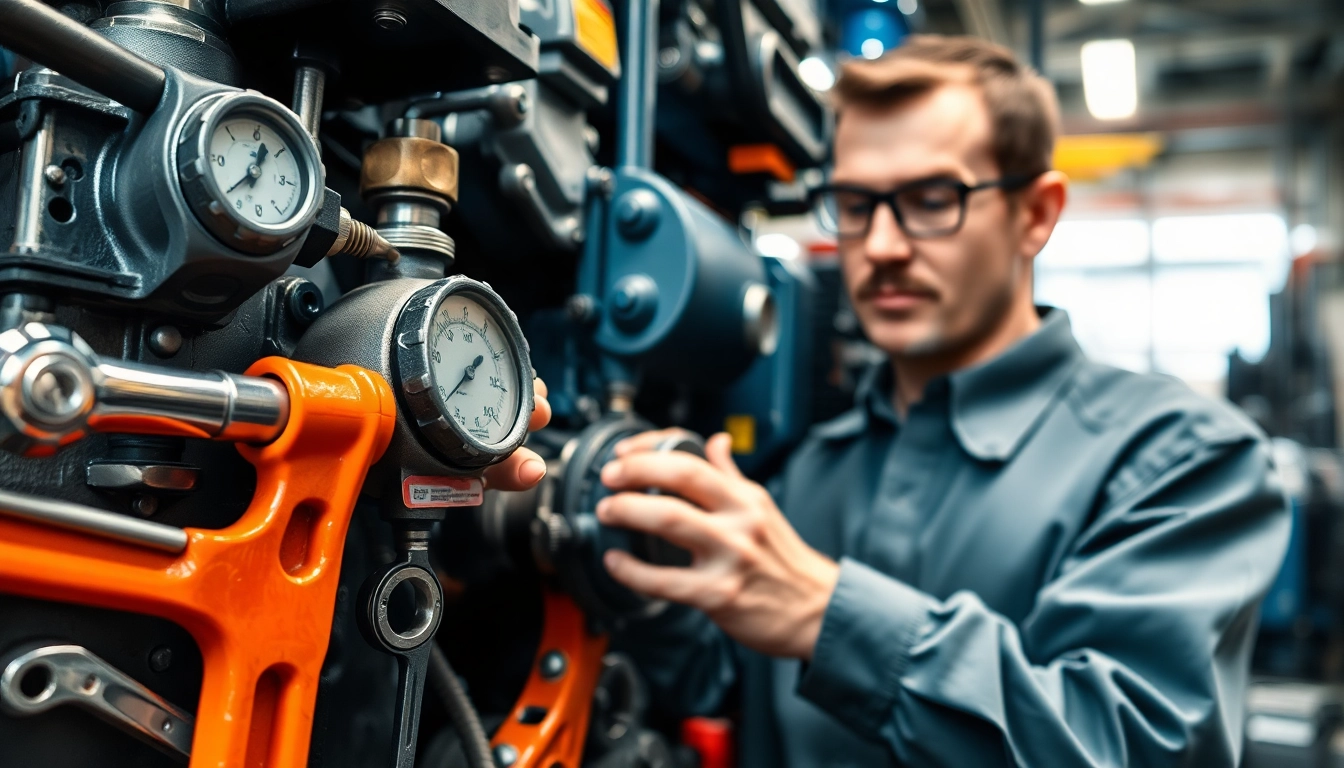
Conducting pressure tests is essential for verifying the integrity of the hydraulic system. These tests can identify weaknesses in hoses, fittings, and other components that may not be apparent through visual inspections. Ensuring the system can handle operational pressures is a critical safety measure.
Advanced Techniques for Hydraulic System Maintenance
Advancements in technology have introduced innovative techniques that can enhance hydraulic system maintenance. These methods focus on predictive maintenance, leveraging data to preemptively address issues.
Predictive Maintenance Technologies
Predictive maintenance involves using data analytics and condition-monitoring tools to track system performance and predict potential failures. This proactive approach can extend equipment life and reduce unplanned downtimes by allowing for timely interventions.
Utilizing IoT for System Monitoring
Integrating Internet of Things (IoT) devices in hydraulic systems allows for real-time monitoring of system parameters such as pressure, temperature, and fluid levels. This connectivity provides valuable insights into system health and performance, enabling operators to respond quickly to irregularities.
Implementing Lean Maintenance Strategies
Lean maintenance strategies focus on minimizing waste while maximizing productivity. Streamlining maintenance processes, optimizing inventory management, and ensuring training for personnel can lead to more efficient operations and reduced costs.
Performance Metrics and Troubleshooting
To assess the effectiveness of hydraulic system maintenance, operators should track specific performance metrics and be equipped with troubleshooting skills. This section covers key indicators of system health and techniques to address issues.
Key Indicators of System Health
Monitoring indicators such as fluid temperature, pressure levels, and flow rates can provide insights into hydraulic system health. Establishing a baseline for normal operating conditions helps in identifying deviations that may signify maintenance needs.
Common Troubleshooting Techniques
When issues arise in a hydraulic system, a systematic troubleshooting approach is critical. Operators should follow step-by-step protocols to identify problems, including checking for leaks, verifying fluid levels, and ensuring electrical connections are secure.
Benchmarking Performance Improvements
Benchmarking performance improvements involves comparing before-and-after scenarios following maintenance interventions. By systematically analyzing key metrics, operators can measure the impact of their maintenance practices and continually refine strategies for optimal performance.
Frequently Asked Questions
What are the signs of a failing hydraulic system?
Signs include unusual noises, leaking fluids, reduced pressure, or erratic movements. Regular checks can help identify these issues early.
How often should hydraulic fluid be changed?
Hydraulic fluid should typically be changed every 1,000 to 2,000 operating hours or per manufacturer recommendations, depending on the workload.
Can I use any hydraulic fluid for my system?
No, always use the type of hydraulic fluid specified in the equipment manual. Using an incorrect fluid can damage components.
What is the purpose of a hydraulic filter?
A hydraulic filter removes contaminants from the hydraulic fluid. Regular replacement ensures fluid cleanliness and protects components.
How can I extend the life of my hydraulic system?
Regular maintenance, timely fluid changes, and prompt addressing of issues can significantly extend the lifespan of a hydraulic system.