

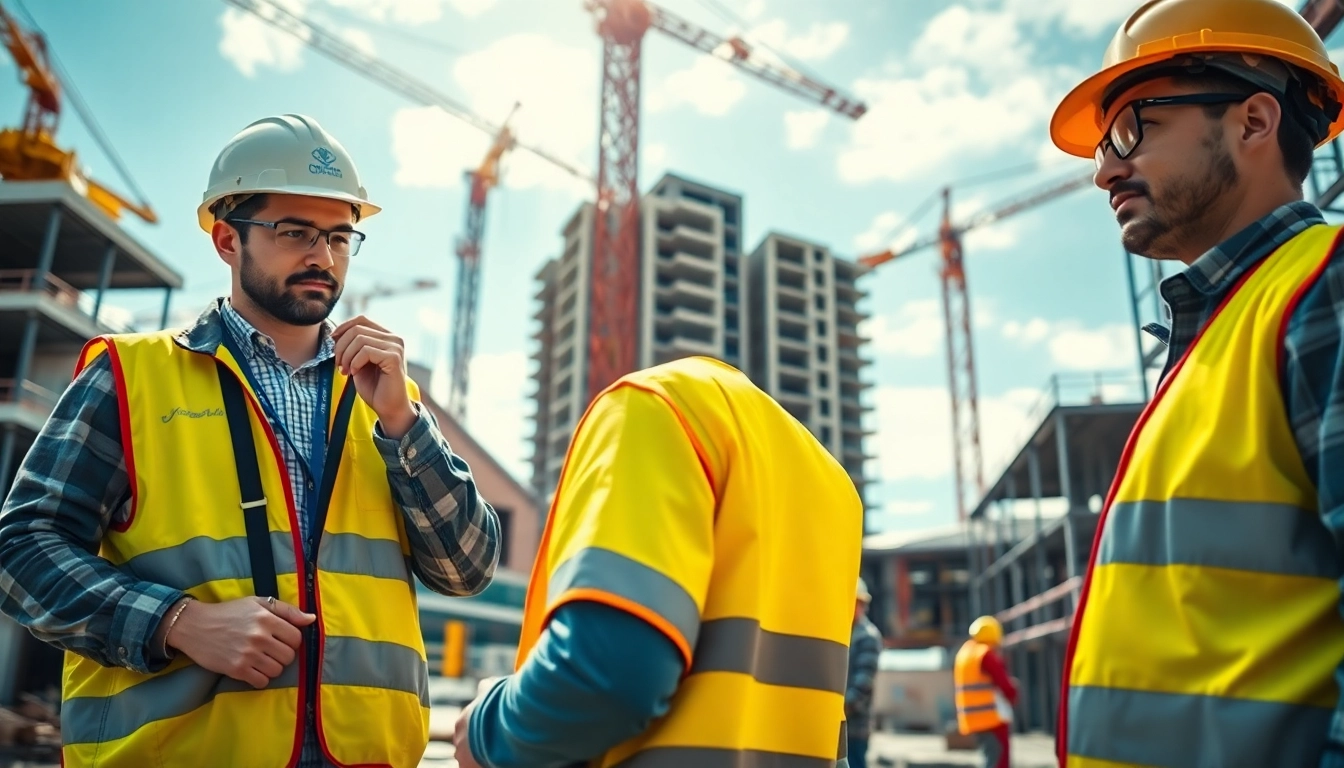
Understanding Construction Site Safety
In the construction industry, the phrase “safety first” is more than just a motto; it forms the backbone of a culture that emphasizes the health and well-being of workers. Construction sites are dynamic environments involving complex tasks, heavy machinery, and a diverse workforce. Consequently, ensuring proper construction site safety is not just vital for legal compliance, but also for the protection of the workforce and the successful completion of projects. This article delves into various facets of construction site safety, including the risks, legal obligations, training, and the promotion of a safety-first culture among workers.
Importance of Construction Site Safety
The significance of construction site safety cannot be overstated. Each year, thousands of construction workers experience injuries, some of which can lead to fatalities. Implementing robust safety procedures reduces these risks and creates a safer work environment, which has several benefits:
- Reduction of Accident Rates: A well-structured safety program helps prevent accidents and injuries.
- Compliance with Regulations: Adhering to safety standards is not just ethical; it’s legally required.
- Enhanced Productivity: A focus on safety leads to fewer disruptions from accidents, allowing for consistent progress on projects.
- Improved Worker Morale: Employees feel valued when their employer prioritizes their safety and well-being.
- Cost Savings: Reducing accidents leads to lower insurance premiums and less money spent on downtime and legal costs.
Common Risks on Construction Sites
Identifying and understanding the risks present on construction sites is crucial in implementing effective safety measures. Common risks include:
- Falls: One of the leading causes of injuries and fatalities in the construction industry, falls can occur from scaffolding, roofs, and ladders.
- Being Struck By Objects: Objects can fall from heights or be mismanaged, leading to serious injuries.
- Electrocution: Working with electrical equipment poses a risk of electrocution, especially in wet conditions.
- Machinery-Related Injuries: Heavy machinery, if not operated correctly, can lead to severe injuries or death.
- Exposure to Hazardous Materials: Construction workers may encounter harmful substances, including asbestos, lead, or chemicals.
Legal Regulations and Compliance
Construction sites must comply with numerous regulations designed to protect workers. Understanding and adhering to these regulations is essential to ensure both safety and legality. Government organizations, such as the Occupational Safety and Health Administration (OSHA), provide guidelines that construction companies must follow. These regulations cover various domains, including:
- Worker Training: Ensuring all employees are trained in safety protocols and emergency procedures.
- Personal Protective Equipment (PPE): Mandating the use of PPE based on the hazards present on site.
- Site Management: Specifying how sites should be structured to minimize risks associated with falls and moving vehicles.
- Record Keeping: Consistently documenting safety inspections, training sessions, and incident reports to ensure accountability.
Key Components of Effective Safety Programs
Building an effective safety program requires a multifaceted approach that encompasses several critical components to ensure that all risks are managed appropriately.
Safety Training and Education
Training is the backbone of any safety program. Companies must consistently provide safety training sessions that cover:
- Recognizing potential hazards
- Proper use of PPE
- Emergency response procedures
- Safe practices for operating heavy machinery
This education should not only be presented during onboarding but should also include regular updates to stay compliant with OSHA standards and to reinforce safe practices.
Safety Equipment and Gear
The use of appropriate safety equipment is crucial in mitigating risks associated with construction work. Essential safety gear includes:
- Hard hats to protect against head injuries
- Safety goggles for eye protection from debris
- Gloves to prevent cuts and abrasions
- High-visibility clothing to ensure workers can be seen
- Harnesses for those working at heights
Employers must ensure that all equipment is up to date and well-maintained, as the efficacy of safety gear diminishes with wear and tear.
Regular Safety Audits
Regular audits and inspections are crucial for maintaining safety standards. Safety audits should include:
- Examining compliance with safety regulations
- Identifying potential hazards on-site
- Evaluating the effectiveness of safety training
- Ensuring that safety equipment is utilized and maintained
These audits allow companies to proactively manage risks and respond to any emerging safety concerns before they lead to accidents.
Implementing Safety Protocols on Construction Sites
Once key components of safety are in place, companies must systematically implement protocols to maximize their effectiveness.
Creating a Safety Plan
A comprehensive safety plan should be drafted that includes:
- The identification of potential hazards
- Duties and responsibilities of safety personnel
- Detailed emergency procedures
- Regular training and evaluation measures
This plan serves as a living document that should be regularly updated as projects evolve and new risks are identified.
Site Inspections and Monitoring
Ongoing site inspections must become a routine practice. Supervisors should conduct daily inspections to:
- Ensure that all safety measures are in place
- Engage with workers about potential hazards
- Address immediate concerns instantly
Using checklists can simplify the process and enhance thoroughness.
Emergency Preparedness Strategies
Every construction site should have an emergency plan that clearly outlines procedures in the event of an accident or natural disaster. Key elements include:
- Evacuation routes
- Designated assembly points
- First aid kit locations and trained personnel
- Regular drills to practice emergency responses
Preparedness ensures that workers know exactly what to do in case of emergencies, significantly reducing panic and chaos.
Promoting a Safety Culture Among Workers
Incorporating safety into the work culture is vital for sustained adherence. This culture thrives when workers are actively involved in safety discussions and practices.
Encouraging Open Communication
Creating channels for workers to voice their safety concerns empowers them to take ownership of their safety practices. Management should:
- Hold regular safety meetings to discuss concerns
- Encourage suggestions for improving safety measures
- Provide anonymity for reporting unsafe conditions
Open communication fosters a collaborative environment where safety is prioritized.
Recognizing Safe Practices
Positive reinforcement can significantly impact safety culture. Recognizing workers for good safety behavior can be done through:
- Incentive programs for teams that go accident-free
- Public acknowledgment in meetings
- Safety awards for individuals demonstrating exceptional practices
Such recognition boosts morale and encourages others to follow safe practices.
Integrating Feedback Mechanisms
Soliciting feedback from workers post-training or after incidents can provide invaluable insights. Implementing mechanisms such as:
- Surveys to assess understanding of safety training
- Suggestion boxes for ongoing input
- Regular one-on-one meetings between workers and supervisors
Using feedback to refine safety policies ensures they remain relevant and effective.
Measuring the Effectiveness of Safety Measures
Effective measuring of safety programs’ impact is essential to ensure continual improvement and compliance.
Tracking Incident Reports
Establishing a clear reporting system for any accidents or near misses is critical. Companies can:
- Analyze patterns in incidents to identify recurring issues
- Evaluate the response and effectiveness of safety protocols
- Adjust training and resources based on data
This data-driven approach facilitates targeted improvements.
Evaluating Safety Training Impact
Regular assessments of training effectiveness should include pre- and post-training evaluations to gauge knowledge retention. Additional strategies include:
- Observational assessments of safety practices on-site
- Feedback from trainers and trainees regarding training quality
- Measuring incident rates before and after training sessions
Such evaluations help in refining training programs.
Continuous Improvement Strategies
Construction site safety should always be a work in progress. Continuous improvement can be achieved through:
- Regularly updating safety protocols to align with industry advancements
- Engaging in industry benchmarking to identify best practices
- Conducting regular reviews of safety audits and staff feedback
This ongoing commitment to safety not only protects workers but enhances overall project quality.
FAQs:
What are the key elements of construction site safety?
Key elements include proper training, the use of safety gear, regular site inspections, and emergency preparedness plans designed to minimize risks and ensure worker safety.
How often should safety training be conducted?
Safety training should be conducted regularly, at least annually, and before any new procedure or equipment is introduced. It keeps workers informed of the latest safety practices.
What role do site audits play in safety?
Site audits identify hazards, ensuring that safety protocols are followed. They help improve safety measures and compliance with legal regulations, reducing the risk of accidents.
How can workers report safety concerns?
Workers should have clear channels for reporting safety concerns, allowing for anonymity if preferred. Encouraging an open dialogue enhances safety culture and responsiveness.
What should I do in case of an accident?
In case of an accident, provide first aid if trained, call emergency services immediately, report the incident to supervisors, and document the situation as required for safety protocols.