
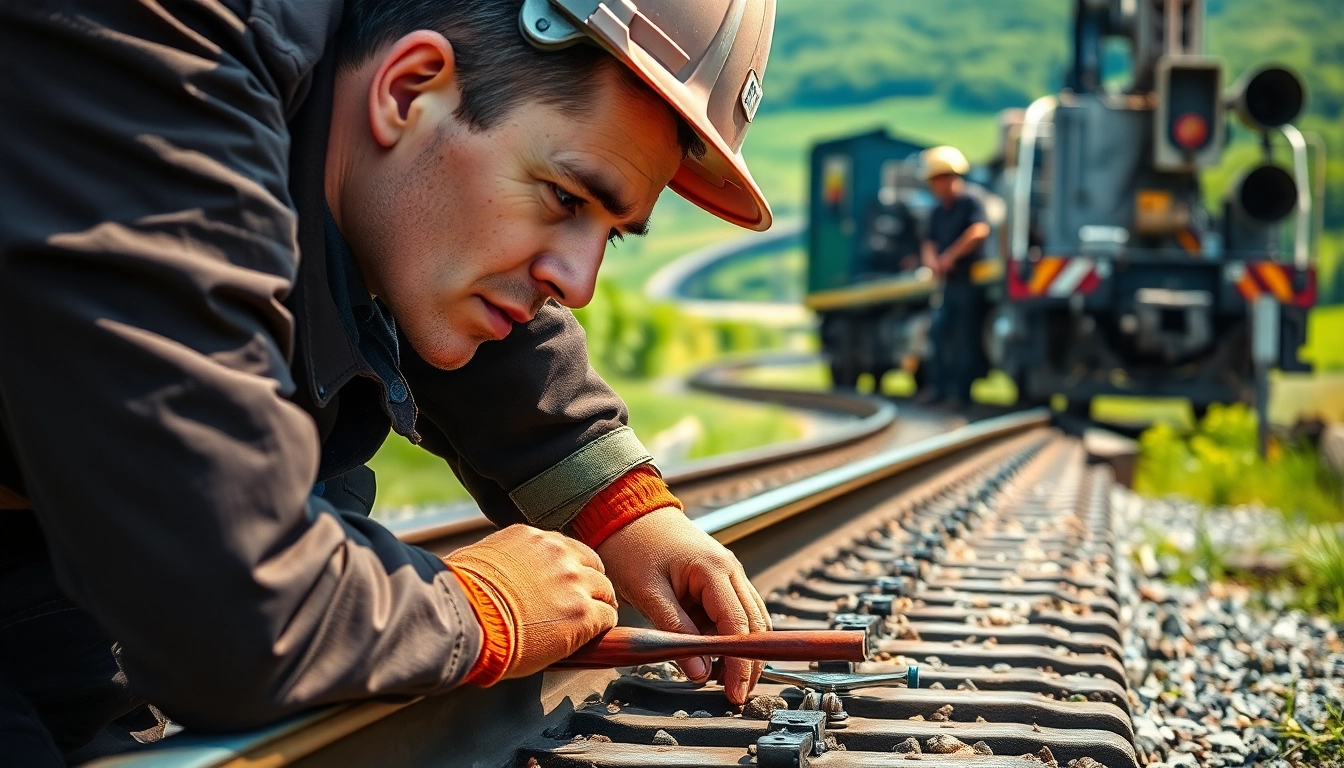
Understanding Railway Maintenance
Definition and Importance of Railway Maintenance
Railway maintenance refers to the systematic processes involved in inspecting, repairing, and enhancing railway infrastructure—including tracks, stations, and signaling systems. It is crucial for ensuring the safety, reliability, and efficiency of rail transport systems worldwide. Regular and effective railway maintenance minimizes the risk of accidents, prolongs asset life, and ensures timely services to passengers and freight. The railway maintenance sector plays a pivotal role in the overall transportation network by providing seamless connectivity.
Key Components of Railway Maintenance
Railway maintenance comprises several critical components, including:
- Track Maintenance: Involves inspecting and repairing tracks to prevent derailments, ensuring alignment, and replacing worn-down components.
- Signal Maintenance: Ensures that all signaling equipment operates correctly, helping prevent accidents and manage train movements efficiently.
- Station Maintenance: Focuses on the upkeep of passenger stations, ensuring cleanliness, functionality, and security.
- Rolling Stock Maintenance: Involves the care of locomotives and carriages, ensuring they are safe and efficient for operation.
Challenges in Railway Maintenance
Despite its importance, railway maintenance faces several challenges. Funding constraints can limit the scope and frequency of maintenance work, especially in regions with limited budgets. Aging infrastructure presents another significant challenge, as old materials require more frequent repairs and replacements, creating a ripple effect on overall operations. Additionally, the integration of modern technologies poses its own set of difficulties, ranging from staff training to the synchronization of new systems with legacy equipment. Addressing these challenges is essential for improving the railway maintenance landscape.
Best Practices in Railway Maintenance
Routine Inspections and Assessments
Regular inspections are foundational to effective railway maintenance. Scheduled assessments help in identifying potential issues before they escalate into serious problems. These inspections can be both visual and through advanced technology, such as ultrasonic testing. A structured maintenance schedule coupled with detailed records of inspections can enhance accountability and eventually reduce expenditure associated with unplanned repairs.
Technology in Railway Maintenance
Technology is a game-changer for railway maintenance, driving efficiency and accuracy. Implementing software solutions for asset management ensures that maintenance schedules are adhered to and provides historical data for analysis. Equipment such as track geometry cars can provide real-time data on track conditions, allowing maintenance crews to prioritize repairs more effectively. Moreover, sensors embedded in infrastructure can monitor material fatigue and alert teams to potential failures before they occur.
Health and Safety Protocols
Considering the high-risk environment of railway operations, establishing robust health and safety protocols is non-negotiable. All maintenance personnel should receive thorough training in safety protocols, including emergency response plans. Regular safety audits will help identify potential hazards associated with railway maintenance tasks, ensuring a safer working environment for all involved.
Advanced Techniques in Railway Maintenance
Using Drones for Track Inspections
Drones are revolutionizing the way track inspections are conducted, providing high-resolution imagery and data without the need for intrusive ground-level assessments. They can quickly cover extensive distances, assess hard-to-reach areas, and gather precise data that increases the overall efficiency of inspections. This technology drastically reduces inspection times and enhances the safety of personnel, who would otherwise be working in hazardous environments.
Predictive Maintenance Strategies
Predictive maintenance uses data analytics to forecast when maintenance should be performed, moving away from a strictly reactive approach. By analyzing data collected from sensors and equipment, railway operators can anticipate failures before they happen, allowing them to schedule maintenance during off-peak hours. This approach maximizes asset lifespans, reduces downtime, and ultimately leads to cost savings.
Track Upgrading Innovations
Innovations in materials and construction techniques have significantly enhanced track durability. Using advanced composites and resilient materials can lead to longer-lasting infrastructure, driving down maintenance costs. Techniques like ‘continuous welded rail’ reduce the number of joints on tracks, minimizing wear and maintenance needs, while smart materials can change properties under stress, providing real-time feedback on track conditions.
Performance Metrics for Railway Maintenance
Evaluating Maintenance Effectiveness
To measure the effectiveness of railway maintenance, various performance metrics should be adopted. Key performance indicators (KPIs) such as mean time between failures (MTBF) and mean time to repair (MTTR) provide insight into the reliability of railway systems. Regular tracking and reporting of these metrics allow teams to assess their maintenance strategies and make data-driven improvements.
Cost-Benefit Analysis of Maintenance Activities
A cost-benefit analysis is essential in determining the financial viability of maintenance activities. This involves comparing the costs associated with maintenance efforts (labor, parts, time) against the costs incurred from operational disruptions resulting from maintenance deficiencies (accidents, delays). Effective analysis can highlight opportunities for optimizing resources while ensuring safety and efficiency.
Benchmarking Against Industry Standards
Benchmarking against industry standards provides a framework for gauging the competitiveness and effectiveness of railway maintenance practices. By comparing performance metrics, maintenance teams can identify best practices and areas for improvement. Leveraging insights from industry leaders can facilitate the adoption of cutting-edge practices and technologies that enhance overall operational efficiency.
FAQs about Railway Maintenance
What is railway maintenance?
Railway maintenance encompasses the inspection, repair, and enhancement of railway infrastructure to ensure safety and efficiency.
Why is railway maintenance essential?
Effective railway maintenance ensures passenger safety, extends asset longevity, and minimizes operational disruptions.
What challenges does railway maintenance face?
Maintenance faces challenges such as funding limitations, aging infrastructure, and technology integration issues.
How do modern technologies assist in railway maintenance?
Technologies like drones, sensors, and predictive analytics enhance efficiency and accuracy in inspections and repairs.
What metrics are used to evaluate railway maintenance?
Metrics for evaluation include safety incident rates, maintenance response times, and cost-effectiveness of interventions.