

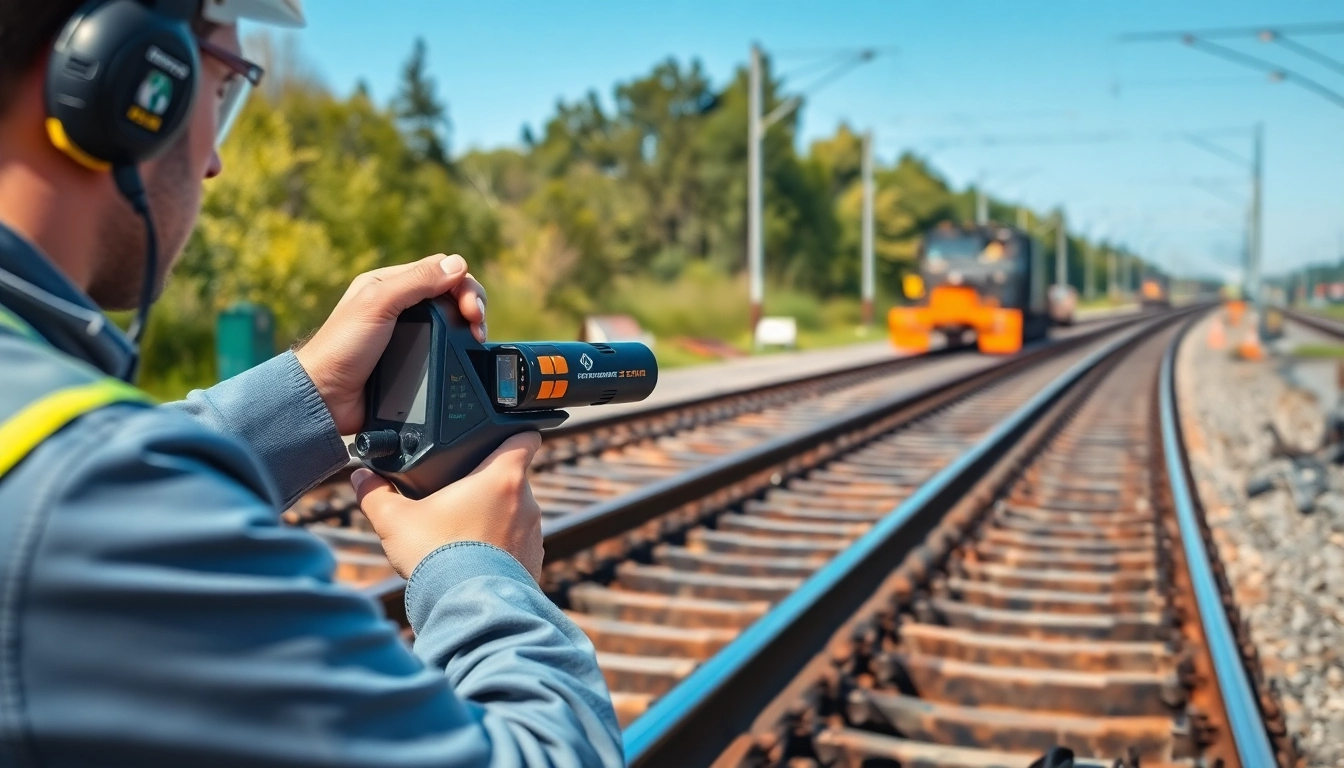
Understanding Track Inspection
What is Track Inspection?
Track inspection refers to the comprehensive assessment of railway tracks to ensure their safety, integrity, and operational efficiency. This essential process involves examining various components of railway tracks, including the rails, ties, ballast, and overall alignment. Regular Track Inspection is vital for preventing accidents and ensuring the smooth operation of rail services. By utilizing both manual and automated techniques, rail operators can identify defects, wear and tear, and any potential safety hazards that could disrupt train operations.
Importance of Regular Track Inspection
Regular track inspection is crucial for several reasons:
- Safety: The primary goal of track inspection is to ensure safety for both passengers and freight. Detecting defects early helps prevent derailments and other safety incidents.
- Operational Efficiency: Timely inspections lead to improved train schedules, reducing delays and enhancing the overall efficiency of rail operations.
- Cost Reduction: Identifying problems before they escalate reduces repair costs and prolongs the lifespan of track components, which is beneficial for rail operators financially.
- Regulatory Compliance: Compliance with safety and operational regulations requires routine inspections to meet government and industry standards.
Key Technologies Used in Track Inspection
Modern track inspection relies heavily on technology to enhance precision and efficiency. Some key technologies include:
- Ultrasonic Testing: This non-destructive testing method uses high-frequency sound waves to detect internal flaws in rails and other track components.
- Ground Penetrating Radar (GPR): GPR provides real-time data about subsurface conditions, helping identify ballast quality and track settlement issues.
- Laser Scanning: Laser technology offers high-resolution 3D images of tracks, enabling detailed analysis and accurate measurements of alignments and profiles.
- Drones: Drone technology allows for aerial inspections, offering unique perspectives and access to hard-to-reach areas while providing visual documentation of the track condition.
Common Track Inspection Methods
Visual Inspection Techniques
Visual inspections are the most traditional form of track inspection and remain essential despite technological advancements. Inspectors walk along the tracks, examining key elements such as:
- Track geometry and alignment
- Rail wear and surface defects
- Condition of ties and ballast
- Signs of vegetation encroachment or debris that could obstruct operations
Regular visual inspections can help detect issues early but should be combined with more advanced techniques for comprehensive oversight.
Ultrasonic Testing for Track Integrity
Ultrasonic testing is a sophisticated method that utilizes sound waves to spot internal flaws in railway tracks. This method is particularly effective in detecting:
- Cracks
- Inclusions
- Segregations
Inspectors typically use handheld devices or mounted equipment on inspection trains to conduct these tests in real-time. The insights gained from ultrasonic testing are essential for proactively addressing rail integrity issues.
Use of Drones in Track Inspection
Drones have revolutionized track inspection by providing a safe and efficient way to assess long stretches of track quickly. Drones equipped with high-resolution cameras and sensors can:
- Capture detailed images and videos of the track condition
- Survey hard-to-reach areas without requiring personnel to enter hazardous zones
- Provide real-time data for immediate analysis
By incorporating drone technology, rail operators can enhance safety and efficiency while obtaining critical information for track management.
Best Practices for Effective Track Inspection
Creating an Inspection Schedule
Establishing a systematic inspection schedule is fundamental for maintaining the integrity of railway tracks. Best practices include:
- Regularly scheduled inspections based on traffic volume and environmental conditions
- Adjusting inspection frequency according to track condition, previous inspection findings, and maintenance history
- Utilizing predictive analytics to forecast potential issues based on historical data
A structured schedule not only promotes safety but also aligns with regulatory compliance mandates.
Documentation and Reporting
Comprehensive documentation of inspection findings is critical in track inspection management. Effective reporting should include:
- Detailed descriptions of any defects or concerns
- Photographic evidence of specific issues
- Recommendations for repairs or maintenance actions
- Timeframe for addressing identified concerns
Thorough documentation aids in communication among teams and ensures all concerns are tracked and resolved efficiently.
Training Inspectors for Accuracy
Qualified inspectors are the backbone of effective track inspection. Continuous training and development should include:
- Hands-on training with tools and technology used in inspections
- Staying updated on the latest industry standards and regulations
- Practicing diagnostic skills to improve defect recognition
By empowering inspectors with knowledge and skills, organizations can enhance the accuracy and reliability of inspections.
Challenges in Track Inspection
Weather and Environmental Factors
Weather conditions significantly affect track inspection schedules and outcomes. Adverse weather such as rain, snow, and extreme temperatures can:
- Obscure visual cues of track wear
- Impact the performance of certain inspection technologies
- Complicate access for on-foot inspections
Rail operators often implement contingency plans to adapt inspection methods based on changing conditions to maintain safety and operational efficiency.
Technological Limitations
While technology has advanced many aspects of track inspection, limitations still exist. Potential challenges include:
- High costs associated with implementing and maintaining cutting-edge technologies
- Training requirements for personnel to effectively use new equipment
- Potential issues with data interpretation and analysis
Addressing these limitations requires careful planning, investment, and continuous learning to fully benefit from technological advancements.
Safety Concerns During Inspections
Safety is paramount during track inspections. Inspectors must be vigilant and follow safety protocols to mitigate risks such as:
- Moving trains during inspections
- Working near hazardous materials or unstable terrain
- Exposure to inclement weather conditions
Implementing strict safety protocols and providing adequate training helps ensure the well-being of inspection teams.
Future Trends in Track Inspection
Advancements in Inspection Technology
As technology continues to evolve, innovations in inspection methods promise improved efficiency and accuracy. Notable trends include:
- Enhanced data analytics, allowing for predictive maintenance and more precise risk assessments
- Integration of Internet of Things (IoT) devices to collect real-time data from track sensors
- Improved imaging technologies, such as 3D scanning, offering unprecedented views of track conditions
These advancements enable rail operators to make informed decisions and sustain safe operational practices.
The Role of Artificial Intelligence
Artificial intelligence (AI) is set to play a transformative role in track inspection by enabling:
- Automated defect recognition through machine learning algorithms
- Optimization of inspection schedules based on historical performance data
- Continuous monitoring of rail conditions using AI-driven analysis tools
Incorporating AI can significantly enhance the speed and reliability of inspections, ultimately contributing to safer railway operations.
Improving Efficiency and Accuracy
Establishing a culture of continuous improvement will be critical for future track inspection strategies. Key areas to focus on include:
- Streamlining inspection processes to reduce downtime and increase coverage area
- Enhancing data integration from various sources to provide comprehensive insights
- Leveraging digital twins to simulate and analyze track conditions virtually
By prioritizing efficiency and accuracy, rail operators can ensure a higher standard of safety and service delivery.
Frequently Asked Questions
1. What is the frequency of track inspections?
The frequency of track inspections depends on factors like traffic volume, environmental conditions, and previous inspection results. Regular inspections typically occur daily, weekly, or monthly.
2. What are the main signs of track problems?
Main signs include visible track misalignment, rail wear, broken ties, or irregular ballast. Regular inspections help identify these issues before they cause accidents.
3. How effective are drones in track inspection?
Drones are highly effective due to their ability to survey large areas quickly, provide high-resolution imagery, and access difficult locations, enhancing overall inspection quality.
4. Why is documentation important in track inspection?
Documentation creates a comprehensive record of findings, aiding in future inspections and maintenance and ensuring regulatory compliance with safety standards.
5. What role does technology play in track inspection?
Technology enhances the accuracy, efficiency, and safety of track inspections by utilizing advanced methods like ultrasonic testing, drones, and AI for real-time data analysis.