
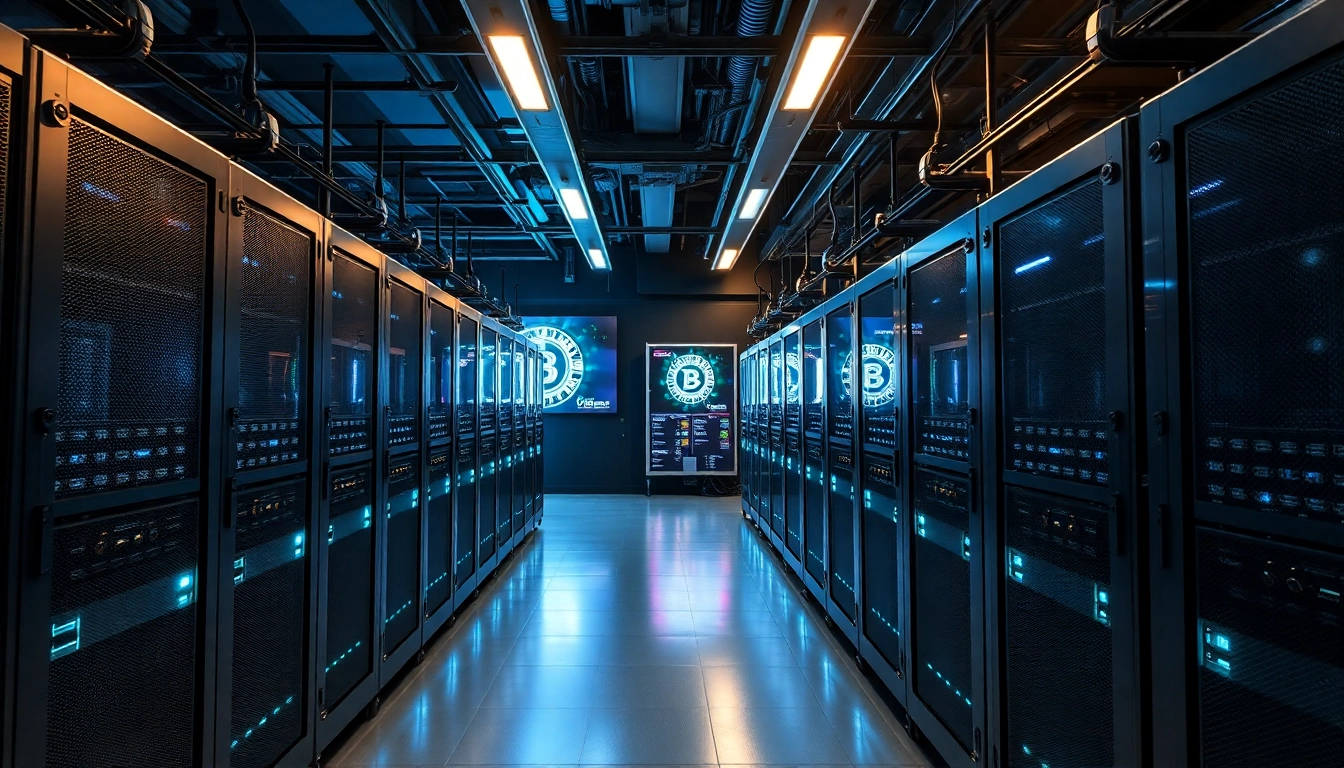
Understanding Crypto Mining Basics
Crypto mining is a critical component of the blockchain ecosystem, enabling the decentralized management of cryptocurrency transactions. With the rise of digital currencies, understanding the underlying mechanics of how these cryptocurrencies are generated and transactions validated has become increasingly important. In this guide, we will explore the fundamentals of crypto mining, delving into the technology and processes that make it possible, and offering insights for both novice and experienced miners.
What is Crypto Mining?
Crypto mining refers to the process of validating transactions on a blockchain network. This process involves solving complex mathematical problems, which in turn secures the network and helps maintain its integrity. Miners are rewarded with cryptocurrency for their efforts, incentivizing them to contribute computational power to the network. In essence, mining acts as both a transaction verification method and a mechanism for introducing new currencies into circulation.
How Transactions are Verified
Transaction verification in crypto mining relies on consensus algorithms, the most common being Proof of Work (PoW). In PoW, miners compete to solve cryptographic puzzles, and the first to solve the puzzle gets to add a new block to the blockchain. This process includes gathering pending transactions, verifying them, and bundling them into a new block. Once a block is successfully added, it is permanently recorded across all nodes in the network, ensuring transparency and security.
The Role of ASIC Miners in Mining Operations
Application-Specific Integrated Circuits (ASICs) have revolutionized the crypto mining industry. Unlike traditional GPUs, which were once the go-to mining hardware, ASICs are tailored specifically for mining cryptocurrencies like Bitcoin. Their efficiency and power mean they can solve problems at much faster rates, making them a preferred choice for serious miners. As the mining difficulty increases over time, relying on ASIC miners can provide a competitive edge essential for profitability.
Getting Started with Crypto Mining
Starting your journey into crypto mining can be overwhelming, given the various choices and strategies available. However, understanding the basics will guide your decisions and help you navigate the complexities of this industry.
Choosing the Right Mining Hardware
The first step in establishing your mining operation is selecting the appropriate hardware. Depending on the cryptocurrency you intend to mine, the choice between ASIC miners and GPUs will vary. ASIC miners are excellent for Bitcoin due to their efficiency, while GPUs might be more suitable for altcoins. Additionally, consider factors like hash rate, power consumption, and cost when making your decision.
Setting Up Your Mining Rig
Once you’ve chosen your hardware, the next step is assembling your mining rig. This involves installing the mining hardware, connecting it to a power source, and setting up the necessary software. It’s crucial to ensure proper cooling solutions, as mining hardware can generate significant heat. Consider using additional fans or cooling systems to maintain optimal temperatures and prolong the lifespan of your equipment.
Joining Mining Pools: Pros and Cons
Another strategic consideration is whether to mine solo or join a mining pool. Mining pools allow individual miners to combine their computational power, increasing the chances of successfully mining a block and receiving rewards. The primary advantages include consistent payouts and reduced variance in earnings. However, joining a pool means sharing rewards with other members, potentially lowering your earnings per mined block. Weighing the pros and cons is essential based on your investment capacity and mining goals.
Optimizing Your Mining Process
To maximize the effectiveness of your mining operation, understanding various optimization strategies is crucial. These can significantly impact your profitability and overall experience in the crypto mining world.
Understanding Mining Software Options
The right mining software is essential for effectively managing and monitoring your mining rigs. Popular options like CGMiner, BFGMiner, and EasyMiner provide user-friendly interfaces and functionalities tailored to different setups. When choosing mining software, consider compatibility with your hardware, user reviews, and included features such as remote monitoring and optimization tools.
Maximizing Energy Efficiency in Mining
Energy consumption is one of the most significant costs associated with crypto mining. Therefore, maximizing energy efficiency is crucial for maintaining profitability. Strategies include optimizing hardware settings, utilizing renewable energy sources, and monitoring energy costs. Switching to more energy-efficient mining modes can also reduce your carbon footprint while increasing your margins.
Monitoring Performance Metrics Effectively
Continuous monitoring of your mining rig’s performance can help identify issues before they escalate. Key metrics to track include hash rate, temperature, power consumption, and earnings. Utilizing mining monitoring software can streamline this process, allowing you to make data-driven decisions that enhance your mining efficiency and longevity.
Common Challenges in Crypto Mining
As lucrative as crypto mining can be, it also presents several challenges that every miner must navigate. Understanding these challenges assists in preparing adequate strategies to mitigate their effects.
Dealing with Mining Difficulty Changes
Mining difficulty adjusts approximately every two weeks in many cryptocurrency networks to regulate the production of new blocks. When the number of miners increases, the difficulty rises, making it harder to mine successfully. Staying informed about difficulty changes and adapting your strategies accordingly, such as upgrading hardware or optimizing configurations, is essential for ongoing profitability.
Legal Considerations and Regulations
The legal landscape surrounding crypto mining varies by region, with some countries imposing strict regulations or outright bans. As such, it is vital to research and understand local laws regarding cryptocurrency and mining operations. Engaging with legal professionals or resources can provide clarity and help avoid potential legal pitfalls.
Electricity Costs and Profitability
Electricity costs are a significant factor in determining mining profitability. The volatile nature of cryptocurrency prices further complicates this equation. Conducting a thorough cost analysis before launching your operation is critical. Utilizing profitability calculators can assist in evaluating expected returns based on your electricity rates and mining hardware’s efficiency.
Future Trends in Crypto Mining
The crypto mining landscape is continually evolving. Keeping abreast of emerging trends can provide insights into future opportunities and challenges.
Emerging Technologies in Mining
Advances in technology will likely shape the future of crypto mining, with innovations like quantum computing and improved ASIC designs on the horizon. These technologies promise to enhance mining efficiency and could lead to shifts in how transactions are validated and currencies are generated. Staying updated on technological developments and investing in the latest hardware will be vital for maintaining competitive advantage.
The Impact of Environmental Concerns
Environmental sustainability is becoming an increasingly pressing issue within the crypto mining industry. Miners face growing scrutiny over energy consumption and carbon footprints, prompting many to seek greener solutions. Renewable energy sources, such as solar or wind power, are gaining traction, enabling miners to reduce their environmental impact while potentially lowering operational costs.
Predictions for Crypto Mining in 2025 and Beyond
Looking ahead to 2025 and beyond, predictions suggest that crypto mining will continue to evolve rapidly. We may see enhanced regulatory frameworks, greater integration of renewable energy, and the development of more efficient mining technologies. As the industry matures, miners who remain adaptable and informed will be best equipped to thrive in this dynamic landscape.