







How to Get Started Fly Fishing for Bass
Fly fishing for bass is an exciting and rewarding way to enjoy freshwater fishing. Whether you are new to fly fishing or an experienced angler looking to try something different, targeting bass with a fly rod offers a unique challenge and a fun experience. This guide will help you understand the basics, gear requirements, techniques, and strategies to get started fly fishing for bass successfully.
Understanding Fly Fishing for Bass
Fly fishing for bass is different from traditional bass fishing methods. Unlike spinning or baitcasting, fly fishing uses lightweight artificial flies that mimic the natural food of bass. Bass are aggressive predators, and they often strike flies with explosive force, providing an exhilarating fight. To get started fly fishing for bass, it’s important to understand their habits and the environments they thrive in, such as lakes, ponds, rivers, and streams with clear water, submerged vegetation, and shallow areas.
Essential Gear for Fly Fishing for Bass
Having the right gear is crucial when fly fishing for bass. Here’s what you’ll need:
- Fly Rod and Reel: A 7 to 8 weight rod is ideal for handling bass. Choose a reel with a smooth drag system to manage the powerful runs of larger bass.
- Fly Line: Floating or intermediate sink-tip lines work best for bass, depending on the fishing conditions and depth of the water.
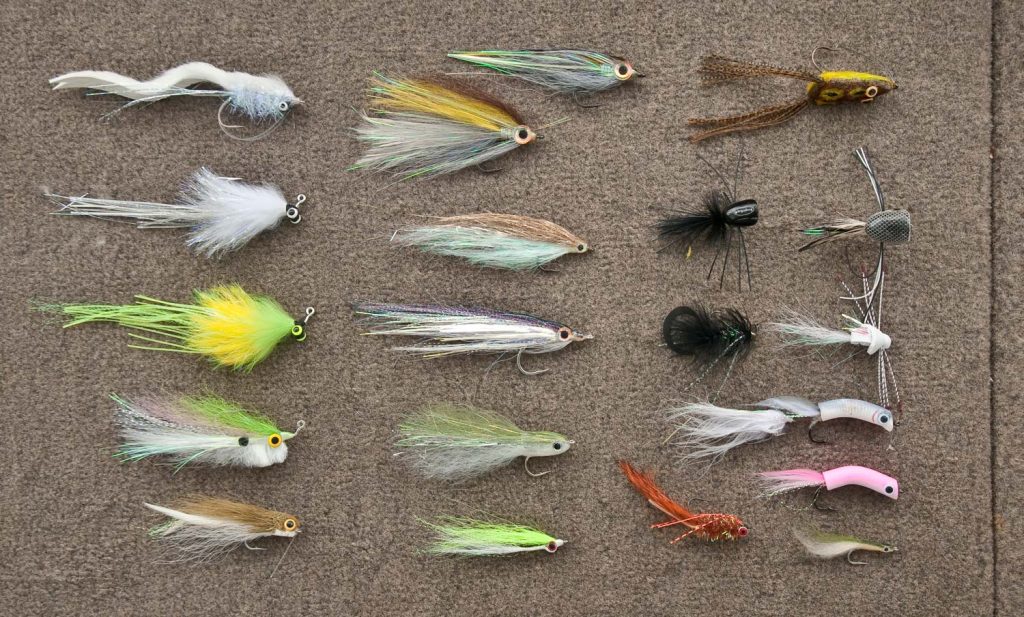
- Flies: Bass respond well to a variety of fly patterns, including poppers, streamers, and terrestrials like grasshoppers and frogs. Use flies that mimic the local forage.
- Tippet and Leader: A strong tippet of 10-20 lb test is recommended because bass have sharp teeth and strong jaws.
- Accessories: Polarized sunglasses, a landing net, and a fly box to organize your flies are essential for a successful day of fishing.
Choosing the Right Time and Location
Timing and location are key factors in fly fishing for bass. Early morning and late evening are often the best times because bass are more active and feeding near the surface. During warmer months, bass can be found near shallow waters, weed beds, and submerged structures like logs and rocks. In colder months, focus on deeper areas where bass gather to conserve energy. Scout local ponds, lakes, and rivers to identify productive bass habitats.
Basic Techniques for Fly Fishing for Bass
There are several techniques that can increase your chances when fly fishing for bass:
- Casting: Accurate casting is vital. Bass can be spooky, so short and precise casts to structure or cover often produce better results than long, aggressive casts.
- Stripping: Vary the speed and length of your line strip to imitate different types of prey. Bass respond well to erratic movements, so don’t be afraid to experiment.
- Topwater Action: Popper flies and frog patterns are perfect for surface action. When bass strike at the surface, it creates an exciting visual fight.
- Subsurface Flies: Streamers and crayfish patterns work well below the surface. Use a slow retrieve near the bottom to entice strikes from lurking bass.
Practice and patience are essential. Learning how to read the water and observe bass behavior will improve your success in fly fishing for bass.
Tips for Success
To maximize your success in fly fishing for bass, keep these tips in mind:
- Be Stealthy: Bass are sensitive to disturbances. Approach quietly and avoid casting shadows over the water.
- Match the Hatch: Observe what insects or baitfish are present in the water and select flies that resemble them.
- Change Techniques: If one approach isn’t working, switch flies, retrieves, or fishing spots. Bass can be unpredictable.
- Use Quality Gear: Durable rods, lines, and flies will improve your efficiency and reduce frustration.
- Learn Local Patterns: Talk to local anglers or visit tackle shops to understand seasonal trends and productive fly patterns.
Fly Fishing for Bass in Different Conditions
Bass behavior changes with water temperature, weather, and time of year. In warm, sunny conditions, bass may retreat to shaded areas or deeper water. Cloudy or overcast days often encourage more aggressive surface feeding. Wind can also affect where bass gather, often pushing them toward sheltered areas. By adapting your strategy and choosing appropriate flies, you can stay successful in fly fishing for bass year-round.
Safety and Conservation
While enjoying fly fishing for bass, always prioritize safety and conservation. Wear appropriate clothing and sun protection, follow local fishing regulations, and practice catch-and-release to preserve bass populations. Use barbless hooks when possible to minimize harm and handle fish carefully before releasing them back into the water.
Getting started fly fishing for bass opens up a new world of angling excitement. By understanding the basics, investing in the right gear, and learning key techniques, you can enjoy productive and memorable days on the water. Fly fishing for bass requires patience, observation, and practice, but the rewards are well worth the effort. With persistence, you’ll discover the thrill of watching a bass explode on your fly and the satisfaction of mastering this specialized form of fishing. Whether targeting small ponds or large lakes, the skills you develop in fly fishing for bass will enhance your overall fishing experience and give you countless opportunities for adventure.