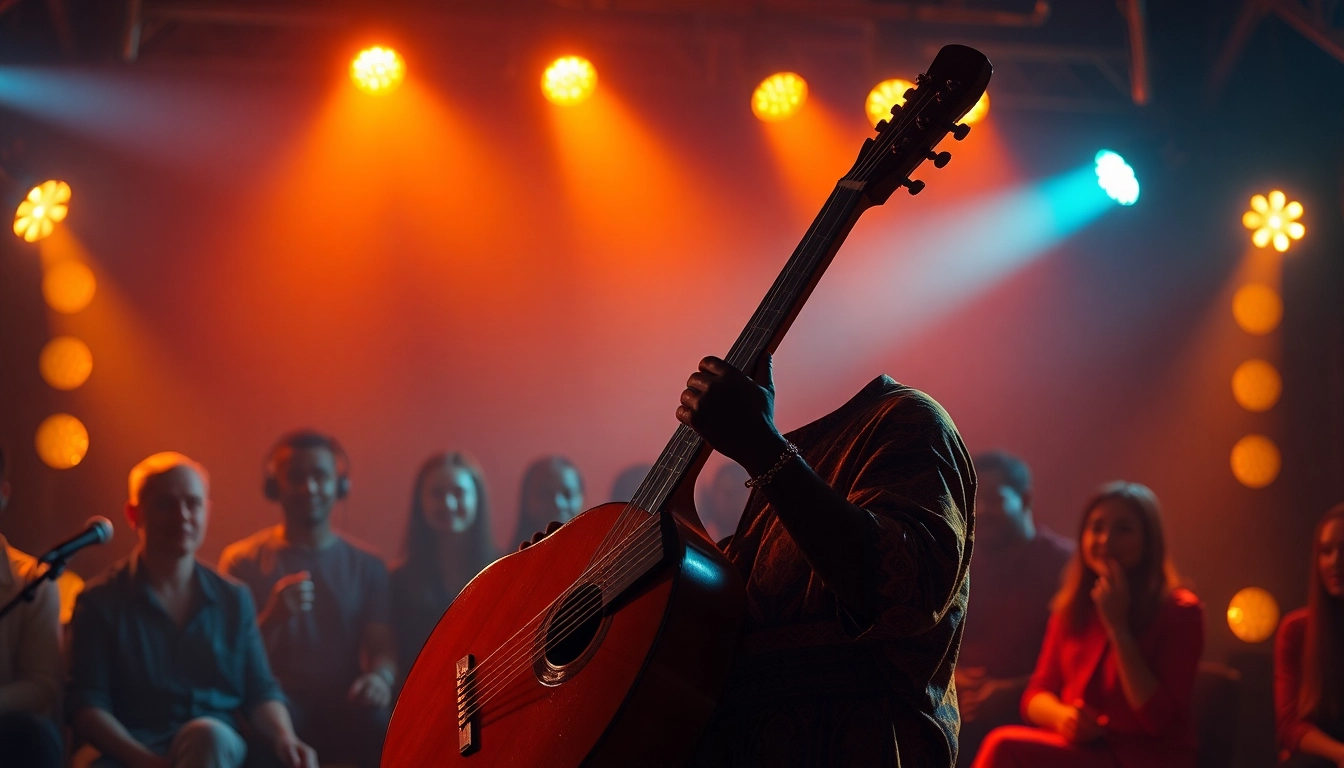
Understanding the Kora: An Introduction to the Instrument
The kora is a remarkable stringed instrument originating from West Africa, specifically among the Mandinka people. It is often described as a cross between a harp and a lute, boasting a large calabash resonator with a long neck and 21 strings. The kora holds deep cultural significance in the regions where it is played, serving as both a musical instrument and a conduit for storytelling and historical narration.
As the appreciation for world music blossoms, kora live performances are becoming increasingly vital in introducing audiences to the rich heritage and expressive capabilities of this instrument. In this section, we will delve into the history of the kora, explore the techniques employed by musicians, and highlight some of the most influential kora players who have shaped the genre.
The History and Cultural Significance of the Kora
The kora dates back over 500 years, originating from the Mali Empire, where griots—traditional West African storytellers—used it to accompany oral histories, social commentary, and folk music. Griots, or jalis, play a vital role within the Mandinka culture; they are not only musicians but also historians and custodians of tribal genealogy.
This instrument is more than just an object of entertainment; it reflects the cultural identity of the people. Its use in rituals, celebrations, and community gatherings underscores its importance in maintaining oral traditions, ensuring that history is passed down through generations. Consequently, the kora serves as a bridge between the past and the present, uniting listeners in a shared experience of culture and heritage.
How the Kora is Played: Techniques and Styles
Playing the kora requires a deep understanding of its mechanics and techniques. The strings of the kora are traditionally made from fishing line or cow intestines, and they are plucked with the fingers. Players use two hands to create intricate melodies and harmonies, often alternating between bass notes and higher-pitched notes with remarkable dexterity.
The most prominent playing style of the kora is known as "tunda," which features rapid finger movements that produce intricate, fluid melodies. Players often incorporate call-and-response patterns, inviting listeners to engage with the music actively. Additionally, many contemporary kora musicians blend traditional techniques with influences from jazz, blues, and other genres, resulting in a diverse range of styles that continue to evolve and captivate audiences around the world.
Famous Kora Players and Their Impact on Music
Throughout its history, many notable kora players have emerged, each contributing uniquely to the development of the instrument and its music. One such figure is Toumani Diabaté, renowned for his virtuosity and innovative approach. Diabaté has earned a global following, collaborating with musicians across various genres, thus broadening the appeal of the kora.
Another influential artist is Ballaké Sissoko, who is celebrated for his emotive playing and ability to convey deep feelings through his music. His performances often evoke the spiritual aspects of playing the kora, captivating listeners with their beauty and depth.
These musicians and others like them are not just performers; they are ambassadors of their culture, bringing the stories and traditions of West Africa to stages worldwide. Their impact reaffirms the significance of the kora as a contemporary instrument while maintaining its connection to the historical narratives of their people.
The Experience of Kora Live Performances
Experiencing a kora live performance offers more than just an auditory encounter; it is a multisensory journey that allows audiences to connect with the music on a deeper level. The unique venues, engaged audiences, and enriching visual and sound elements all contribute to making kora performances a transformative experience.
Setting the Scene: Venues and Atmosphere
Live kora performances often take place in intimate settings where the atmosphere fosters a connection between the performer and the audience. Traditional venues, such as cultural centers or outdoor festivals, help maintain a sense of authenticity while promoting interaction. Achieving the right ambiance is crucial; dim lighting, comfortable seating, and elements of West African decor can enhance the overall experience.
Moreover, the acoustics of the venue are fundamental. The kora’s unique sound emanates from its calabash body and can be amplified naturally in some settings. Thus, careful consideration of the venue's sound environment ensures that the richness of the music is conveyed effectively to the audience.
The Role of Audience Engagement in Kora Live Shows
Engaging the audience is a vital component of any live musical performance, and kora shows are no exception. Musicians often invite participation by encouraging listeners to clap along, sing, or even join them on stage. This interactive dynamic strengthens the communal aspect of the performance, creating an environment where music transcends mere entertainment and becomes a shared joy.
Some kora artists also incorporate storytelling into their performances. By sharing the historical or cultural contexts of their songs, they draw listeners into the narrative, evoking emotions and fostering a deeper appreciation for the music. Audience engagement transforms a concert into a memorable experience that lingers long after the last note is played.
Visual and Sound Elements that Enrich the Experience
The kora’s beauty is matched by its sound; however, the visual elements surrounding a live performance can also enhance the overall experience. Traditional attire, which includes colorful fabrics and adornments, adds to the spectacle while signaling the cultural significance of the event. The gestures and movements of the musicians can create a captivating visual narrative that complements the music.
Furthermore, the incorporation of visual aids such as projections or backdrops that showcase the history and culture of West Africa can provide context, enriching the emotional landscape of the performance. Combined with the enchanting sound of the kora, these elements create a holistic experience that resonates with audiences on multiple levels.
Promoting Kora Live Events: Strategies and Best Practices
To successfully promote kora live events, it’s essential to utilize a mix of traditional and modern marketing strategies that cater to diverse audiences. Effective promotion not only draws attention but also ensures that those interested in discovering and enjoying kora music are aware of upcoming performances.
Utilizing Social Media to Reach Your Audience
Social media platforms serve as powerful tools for reaching potential audiences. Artists can showcase snippets of their performances, share behind-the-scenes content, or provide updates about upcoming shows to engage followers. Leveraging platforms like Instagram, Facebook, and TikTok can help to build a loyal fanbase and showcase the vibrant culture associated with kora music.
Creating event-specific hashtags can also encourage followers to engage and spread the word about the performance. Engaging with audiences through live Q&As or virtual performances can help build community and support for the arts, ultimately driving ticket sales.
Creating Compelling Promotions and Partnerships
Developing appealing promotional campaigns is key to attracting audiences. Partnering with local businesses, cultural organizations, or music festivals can amplify visibility and reach. For instance, collaborating with restaurants to host dinner shows featuring kora performances or holding events at cultural festivals can create synergy and draw larger crowds.
Furthermore, creating visually appealing promotional materials that highlight the uniqueness of kora performances can pique interest. This could include flyers, posters, or digital graphics that articulate the value of attending a kora show—focusing on cultural significance, entertainment value, and the shared experience of live music.
Leveraging Reviews and Word-of-Mouth for Wider Reach
Positive reviews and personal recommendations play a significant role in fostering interest and attendance for kora live events. Encouraging attendees to share their experiences on social media or music review sites can generate buzz and attract a wider audience. Providing incentives for audience engagement, such as discount codes for future performances or merchandise for those who leave reviews, can further enhance this strategy.
Additionally, engaging with influential figures in the music, arts, and cultural sectors to endorse or attend performances can create credibility and motivate others to attend. This word-of-mouth promotion is often more impactful than traditional advertising methods, creating an organic growth of interest around kora live events.
Challenges in Hosting Kora Live Performances
While the prospect of hosting kora live performances is enticing, several challenges may arise that require careful planning and execution. From technical issues to cultural sensitivities, understanding these potential hurdles can help organizers devise effective solutions.
Technical Considerations: Sound Quality and Equipment
Sound quality is vital for any musical performance, especially for an intricate instrument like the kora. Ensuring that the venue is equipped with high-quality sound systems and proper acoustics is paramount. It is essential to conduct sound checks ahead of the event to address any issues, ensuring that the unique tonal qualities of the kora are adequately amplified and appreciated.
Moreover, assessing the technical requirements of the kora players themselves is crucial. Depending on the artists' preferences, they may require specific microphone setups or amplification methods that cater to the instrument's acoustic properties. Understanding these needs beforehand can alleviate potential problems during the performance.
Logistical Hurdles: Venue Selection and Accessibility
Choosing the right venue poses logistical challenges that can impact the success of a kora live performance. Factors to consider include location, seating capacity, and overall accessibility for the audience. Ensuring that the venue is easily reachable and offers comfortable accommodations can significantly enhance audience turnout and enjoyment.
Furthermore, handling administrative matters such as permits, insurance, and safety regulations is critical to a smooth event execution. By addressing these logistical concerns early in the planning process, organizers can focus on crafting an enjoyable experience for attendees.
Addressing Cultural Sensitivity and Authenticity
The essence of kora music is deeply rooted in its cultural context. Therefore, addressing cultural sensitivities when hosting live performances is imperative. Collaborating with local artists and cultural leaders can help to ensure authenticity in the presentation, acknowledging the traditions and historical significance of the kora.
Education plays a vital role in this aspect; providing audiences with context about the kora, its significance, and the cultural narratives surrounding its music can foster greater respect and appreciation for the art form. Engaging in respectful dialogue and being open to feedback can enhance the overall experience for both performers and audiences alike.
Metrics for Success: Evaluating Kora Live Events
Measuring the success of kora live performances extends beyond ticket sales. A multifaceted approach involving audience feedback, attendance statistics, and ongoing engagement allows organizers to evaluate their performance comprehensively and identify areas for improvement.
Audience Feedback and Its Importance
Collecting feedback from attendees is crucial to understanding their experiences at kora live events. Surveys, interviews, and informal conversations can provide insights into what worked well and what areas may need enhancement. Gathering qualitative and quantitative feedback creates an opportunity for organizers to refine their approach and deliver even better experiences in the future.
Engaging audiences through post-performance discussions or offering platforms for them to voice their opinions fosters a sense of involvement and demonstrates a commitment to continuous improvement. Recognizing and addressing audience feedback can enhance loyalty and encourage repeat attendance.
Analyzing Ticket Sales and Attendance Statistics
An essential part of assessing performance includes analyzing ticket sales data and attendance statistics. Tracking trends over time can provide valuable insights into audience patterns, such as demographics, preferences for certain types of performances, and peak attendance periods. This data can guide future marketing and promotional strategies, optimizing efforts to attract broader audiences.
Moreover, understanding attendance levels—comparing actual figures against targeted goals—can help identify potential areas where outreach could be improved. Using a data-driven approach empowers organizers to adapt to audience needs and maximize event success.
Establishing Long-Term Engagement with Your Audience
Ultimately, fostering long-term engagement with audiences is crucial for the sustainability of kora live performances. Regular communication through newsletters, social media, and community events can help build lasting relationships, turning one-time attendees into dedicated supporters.
Developing loyalty programs or memberships for frequent attendees can also encourage continued participation in kora events. Offering exclusive content or backstage access to loyal fans can cultivate a sense of community and belonging, further enhancing the cultural experience associated with kora music.