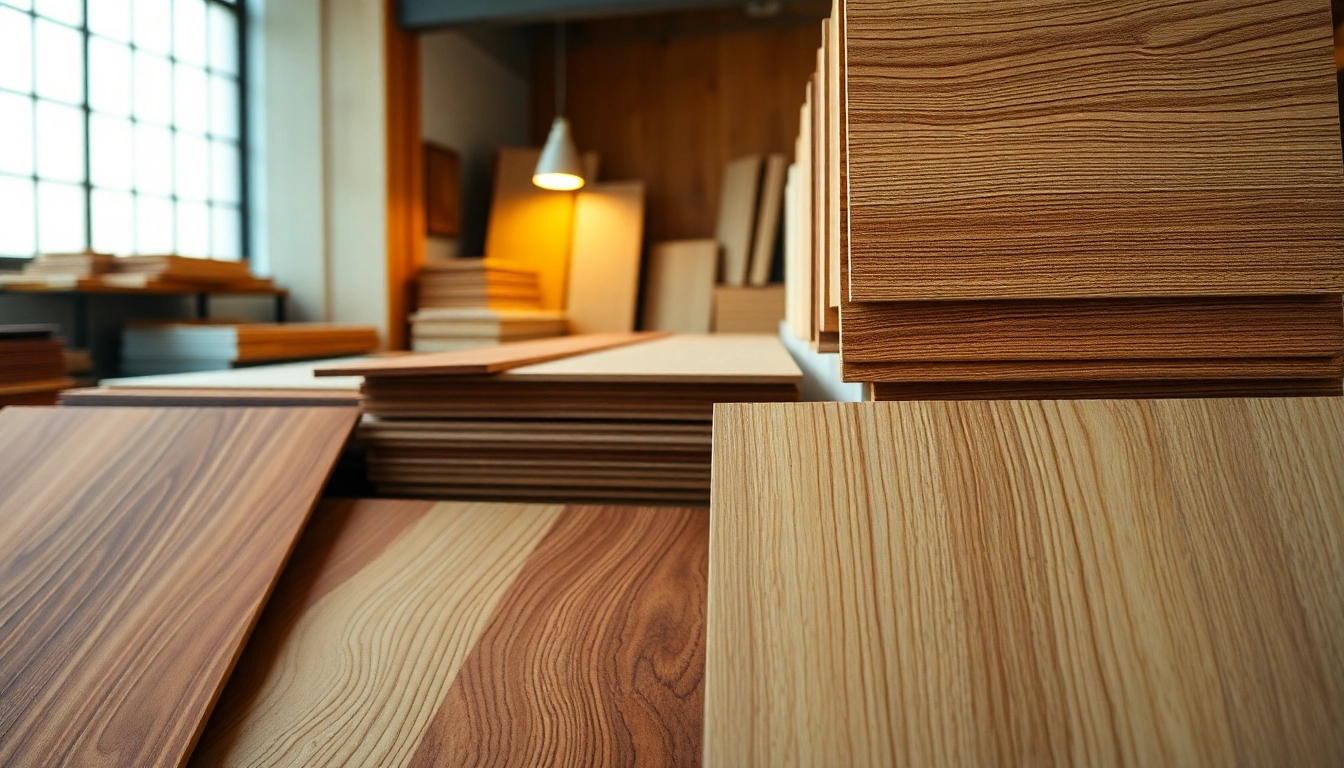
Introduction to Wood Veneer Sheets
Wood veneer sheets are thin slices of wood that are typically less than 3mm thick. These sheets are often produced by peeling or slicing logs, taking advantage of the beauty and texture of natural wood while offering a more sustainable and versatile option for various projects. With minimal waste, wood veneer sheets provide an environmentally friendly choice for design enthusiasts and professionals alike. Whether you're constructing furniture, creating artworks, or finishing interiors, these wood veneer sheets can enhance the aesthetic appeal and functionality of your projects. The growing popularity of wood veneer sheets in recent years can be attributed to their versatility, affordability, and unique characteristics that allow for endless applications.
What Are Wood Veneer Sheets?
Wood veneer sheets are created by cutting thin layers from a log, which retains the wood's grain patterns and textures. These sheets are available in various wood types, such as oak, walnut, cherry, and more, allowing for diverse visual options. Unlike solid wood, which comes from a single piece of timber, veneer is a layer that can be adhered to a core material, such as MDF or plywood. This layering process significantly reduces costs while providing the beauty of real wood. Wood veneer sheets are suitable for various applications, and their lightweight nature makes them easy to handle and work with, whether for construction, design projects, or artistic creations.
Benefits of Using Wood Veneer Sheets
- Cost-Effectiveness: Wood veneer sheets are typically less expensive than solid wood, making them an economical choice for various projects.
- Sustainability: Using veneer reduces the demand for solid timber, contributing to forest conservation and lower environmental impact.
- Design Versatility: Available in an array of wood species and finishes, veneer can be used in diverse applications, providing extensive design possibilities.
- Stability: Veneer is less prone to warping or cracking compared to solid wood, making it a reliable choice for furniture and cabinetry.
- Weight: The lightweight nature of veneer allows for ease of handling during installation, especially in larger projects.
Common Uses for Wood Veneer Sheets
Wood veneer sheets can be used in numerous applications, including:
- Furniture: Crafting tables, chairs, cabinets, and shelving units with a high-quality wood finish.
- Interior Paneling: Enhancing walls, ceilings, and cabinetry to create a warm and inviting atmosphere.
- Doors: Offering a stylish and lightweight alternative for doors in residential and commercial spaces.
- Artistic Projects: Providing the finishing touches on art installations, custom pieces, or even musical instruments.
- Flooring: Wood veneer can be used in engineered flooring options, offering the beauty of hardwood without the associated costs.
Selecting the Right Wood Veneer Sheets
When choosing wood veneer sheets, various factors come into play, including wood species, grain patterns, and thickness. Understanding these attributes will help you select the right product for your specific needs and projects.
Types of Wood Veneer Sheets Available
There are different types of wood veneer sheets to consider:
- Natural Veneer: Made from real wood, these veneers allow the natural beauty and grain of the wood to shine through.
- Reconstituted Veneer: Created from various wood fibers, reconstituted veneers offer a unique appearance and can mimic the look of exotic woods without the ecological impact.
- Backed Veneer: These sheets have a backing material (such as paper or fabric) that adds strength and makes them easier to apply and work with.
- Wood Laminates: A type of veneer that is typically used in commercial applications, offering durability and a consistent look.
Factors to Consider When Choosing
Several factors should influence your decision when selecting wood veneer sheets:
- Application: Consider the intended use, whether for furniture, wall paneling, or cabinets, as this will impact your choice in terms of strength and durability.
- Thickness: Different thicknesses may affect handling, application methods, and overall sturdiness.
- Grain and Texture: Choose a grain pattern that aligns with your design vision and complements your existing aesthetics.
- Color and Finish: Select veneers that provide color consistency and can be finished appropriately to match the desired look.
How to Evaluate Quality in Wood Veneer Sheets
Quality is crucial when selecting wood veneer sheets. Keep these tips in mind:
- Visual Inspection: Look for consistent grain patterns, color uniformity, and minimal defects.
- Touch Test: Ensure the veneer feels smooth and is free of rough edges or imperfections.
- Backing Quality: Confirm that the backing is strong and appropriate for the intended application, adding stability and ease of use.
- Brand Reputation: Choose products from reputable suppliers known for high-quality materials and excellent customer service.
Working with Wood Veneer Sheets
Once you have selected your wood veneer sheets, understanding how to properly work with them is essential for achieving the best results. This section discusses preparation, tools needed, and techniques for cutting and applying veneer.
Preparation and Tools Needed
Before starting, ensure you have the right tools and materials ready:
- Tools: You'll need a utility knife or a veneer saw for cutting, clamps for securing the veneer during application, and a veneer roller for smoothing.
- Materials: Prepare adhesive suitable for veneer application, such as contact cement or wood glue. Also, have veneer tape or backing material if necessary.
- Workspace: Ensure you have a clean and flat surface to work on, preventing damage to the veneer during handling.
Techniques for Cutting and Applying
Proper cutting and application of wood veneer can significantly impact your final result:
- Cutting: Measure and mark your cuts accurately before trimming the veneer to size, always using a sharp tool for clean edges.
- Applying: Spread adhesive evenly across the substrate and the veneer for optimal bonding. Align the veneer carefully and use clamps to secure it in place during drying.
- Smoothing: After application, use a veneer roller to remove air bubbles and ensure a tight bond with the surface.
Maintenance and Care for Longevity
Maintaining your wood veneer sheets is vital for ensuring their longevity:
- Cleaning: Use a soft cloth for regular cleaning, and avoid harsh chemicals that could damage the finish.
- Refinishing: If your wood veneer gets scratched or dulled, consider light sanding and applying a fresh coat of finish to restore its beauty.
- Protection: Use coasters and mats to protect surfaces from heat and moisture, reducing wear and tear over time.
Design Inspiration with Wood Veneer Sheets
Wood veneer sheets are not just functional; they are also a fantastic design element that can elevate your projects. Here are some inspiring applications to consider:
Decorative Applications in Interior Design
Wood veneer sheets can add warmth and character to any space. Consider these decorative applications:
- Accent Walls: Create stunning accent walls in your living room or office using various wood veneer finishes for a timeless look.
- Ceiling Treatments: Use veneers to add texture and warmth to ceilings, turning an often overlooked area into a focal point.
- Cabinetry and Millwork: Incorporate wood veneer sheets into custom cabinetry that enhances functionality while providing an elegant appearance.
Creative Furniture Projects Using Wood Veneer Sheets
Unleash your creativity by using wood veneer sheets in furniture projects:
- Tabletops: Create unique tabletops by layering different veneers for a custom design that showcases the natural beauty of wood.
- Modular Furniture: Build modular furniture that combines practicality with aesthetic appeal, utilizing veneer for surfaces and accents.
- Transformative Designs: Use veneer on upcycled furniture to modernize outdated pieces and give them new life in your home.
Artistic Uses of Wood Veneer Sheets
Wood veneer sheets can also be a canvas for artistic creations:
- DIY Artwork: Craft stunning artworks by layering different veneer colors and patterns, creating depth and visual interest.
- Musical Instruments: Use veneers to construct or enhance instruments, combining form with function and enriching the sound with resonance.
- Custom Items: Make personalized gifts, decorative objects, or unique pieces of decor using veneer as your medium.
Frequently Asked Questions About Wood Veneer Sheets
What is the difference between veneer and solid wood?
Veneer is a thin layer of wood applied over a substrate, while solid wood is sourced from whole trees. Veneer uses less wood, making it more sustainable.
Can wood veneer sheets be stained or painted?
Yes, wood veneer sheets can be stained or painted, though results may vary depending on the wood species and the chosen finish.
How do I care for wood veneer sheets?
Clean with a soft cloth, avoid harsh cleaners, and apply coasters to protect surfaces from heat and moisture for longevity.
Are wood veneer sheets environmentally friendly?
Yes, wood veneer sheets are environmentally friendly as they use less wood than solid timber, promoting sustainable practices in woodworking.
What tools do I need for working with wood veneer sheets?
You will need a utility knife, veneer saw, clamps, adhesive, and a veneer roller for effective cutting and application.