Understanding Precision Plate Cutting
What is Precision Plate Cutting?
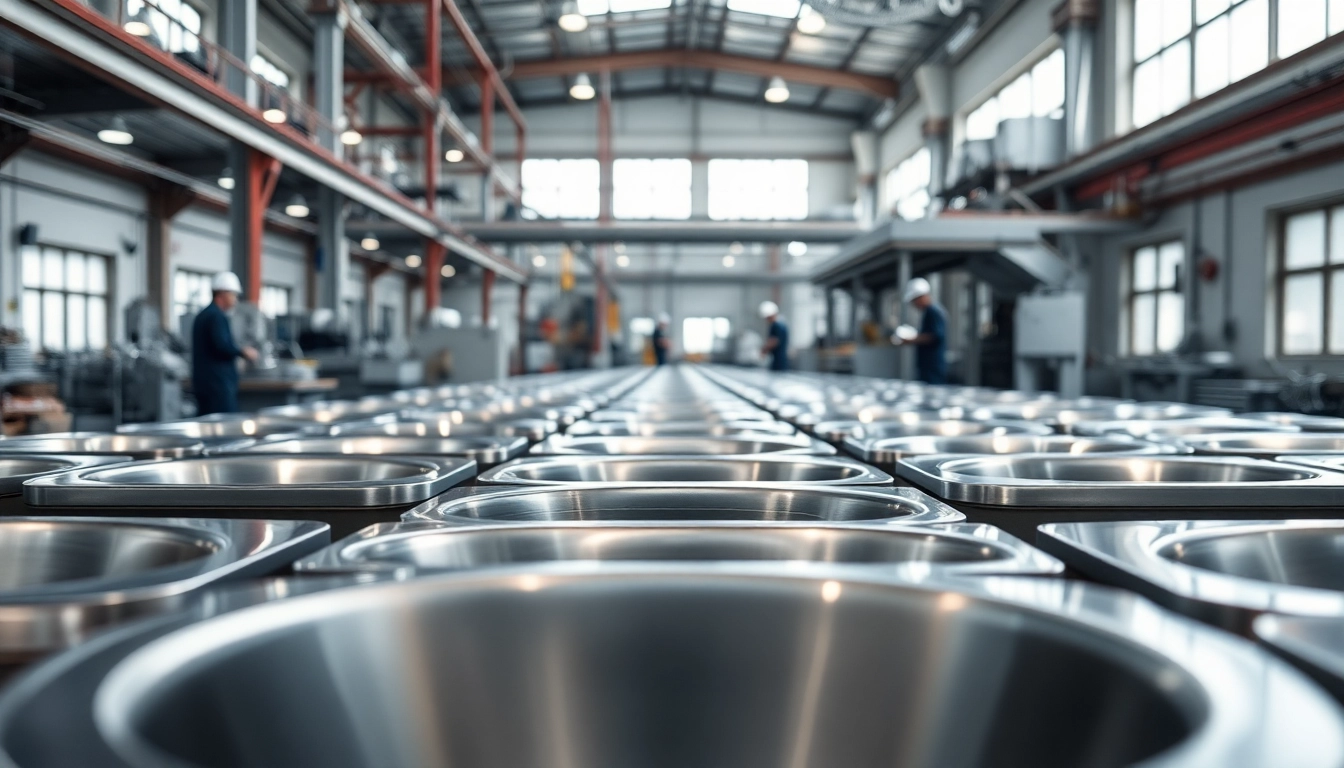
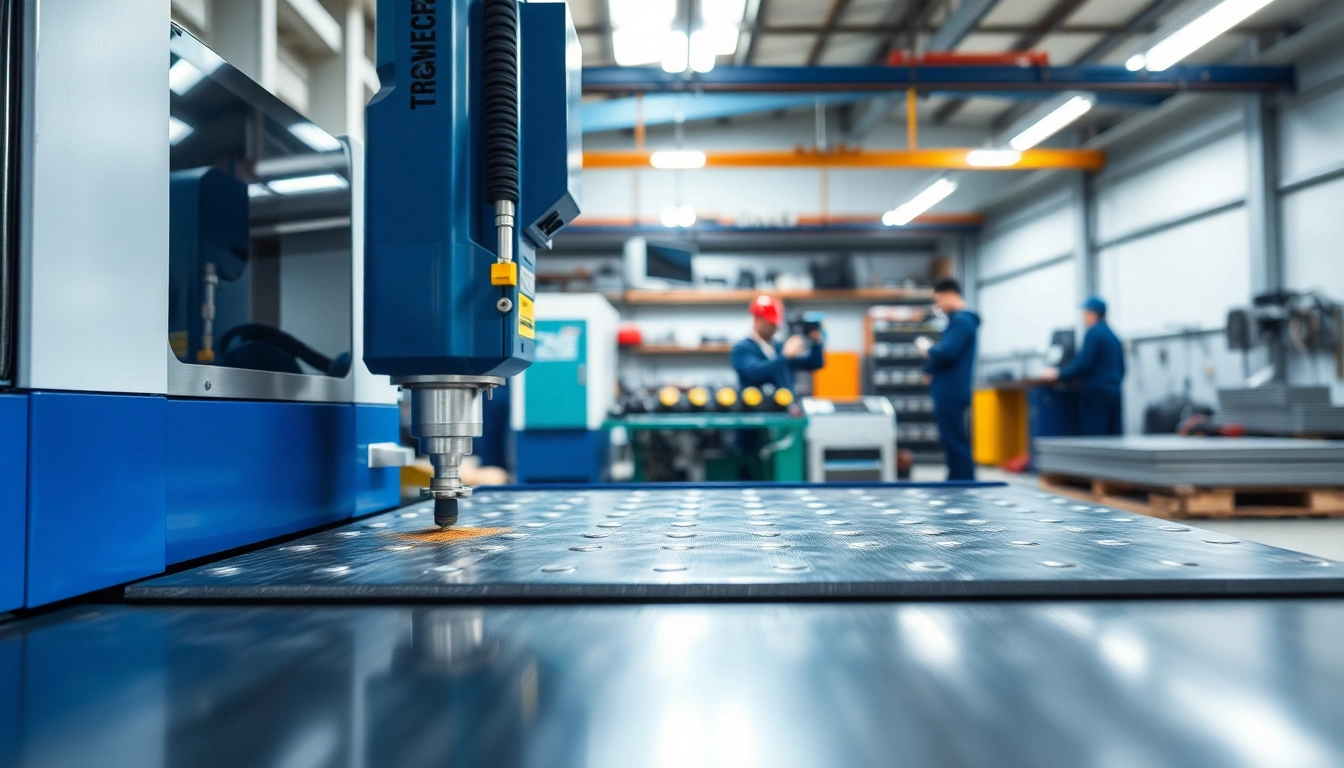
Precision plate cutting refers to a highly specialized process of cutting metal plates with remarkable accuracy and detail. This technique is paramount for industries requiring exact dimensions and intricate designs, such as aerospace, automotive, and manufacturing. Utilizing advanced machinery and technology, precision plate cutting ensures each cut meets stringent specifications, minimizing waste and maximizing efficiency.
Applications in Various Industries
The versatility of precision plate cutting allows it to serve various industries, including:
- Aerospace: In this industry, structural integrity and weight efficiency are critical. Precision cutting is essential for airframe components and engine parts, where minor errors can lead to catastrophic failures.
- Automotive: Manufacturers rely on precision cutting for components such as chassis parts, brackets, and engine components, ensuring durability and performance.
- Construction: Steel plates used in building frameworks and bridge construction require precise cuts to fit together seamlessly, enhancing structural stability.
- Energy: Wind turbines and other energy infrastructure utilize precision-cut parts to ensure safety and efficacy while generating energy.
- Electronics: In the electronics sector, precision cutting is vital for circuit boards and other components that demand precise measurements for functionality.
The Importance of Precision in Cutting
Precision in plate cutting cannot be overstated. Irregular cuts can lead to fitting issues, increased material costs, and compromised safety standards. The process must account for tolerances that meet or exceed industry standards to ensure parts function as intended. By employing rigorous quality control and precise machinery settings, manufacturers can achieve high levels of accuracy that are crucial for operational success.
Techniques for Effective Precision Plate Cutting
Common Cutting Techniques Explained
Several techniques are commonly used for precision plate cutting, each with its own benefits and applications:
- Laser Cutting: This technique employs highly focused lasers to cut through material, allowing for intricate designs and smooth edges. It is especially effective on thinner materials but can also handle thicker plates when necessary.
- Waterjet Cutting: Utilizing high-pressure water mixed with abrasive materials, waterjet cutting is ideal for thicker plates, including metals and composites. This method is also remarkably versatile and minimizes heat-related distortion.
- Plasma Cutting: This method uses a plasma torch to cut through conductive materials. While it may not achieve the same level of precision as laser cutting, it is faster and effective for jobs that do not require extreme accuracy.
- Oxy-Fuel Cutting: Using a combination of fuel gases and oxygen, this technique is suitable for cutting steel and iron plates. It's less precise than other methods but can be economical for certain applications.
Choosing the Right Machinery
Selecting the right machinery for precision plate cutting is crucial. Considerations include:
- Material Thickness: Different cutting techniques excel at various thicknesses; hence, understanding the material properties is essential.
- Type of Material: Different machines are required for metals, plastics, and composites.
- Volume and Speed: If high-volume cutting is required, faster methods may be prioritized, potentially sacrificing some precision.
- Cost and Maintenance: Some cutting machines require more upkeep and financial investment than others, influencing the decision-making process.
Material Selection for Optimal Results
The choice of material is critical when considering precision cutting methods. Factors such as density, hardness, and thermal conductivity affect how well a material can be cut while retaining its integrity. Selecting materials that complement the chosen cutting technique can significantly enhance the end product's quality. For example, softer metals may be better suited for laser cutting, while thicker, harder materials may be ideal for waterjet or plasma cutting.
Challenges in Precision Plate Cutting
Common Issues Faced by Technicians
Technicians often encounter several challenges when engaged in precision plate cutting:
- Distortion: Thermal distortion from cutting processes like laser and oxy-fuel cutting can affect the final product’s dimensions.
- Material Variability: Variations in material quality and thickness can lead to discrepancies in cutting results.
- Equipment Reliability: Machinery breakdowns can cause delays and affect production schedules.
Quality Control and Measurement Standards
Maintaining quality control is vital in the precision cutting process. Rigorous testing and inspections at different stages help ensure that cuts meet specified tolerances. Utilizing tools like calipers, gauges, and laser measuring devices plays a key role in this process.
Adapting to Material Variations
Material variations can impact the efficiency and outcome of cutting processes. Technicians must be skilled in adjusting equipment settings and choosing the appropriate cutting methods to accommodate changes in material characteristics. Regular quality checks and adjustments are necessary to adapt to these variations effectively.
Best Practices for Precision Plate Cutting
Maintenance of Cutting Equipment
Regular maintenance of cutting equipment is paramount for optimal performance. Establishing a consistent maintenance schedule can prevent breakdowns and prolong the lifespan of machinery. This includes routine checks for wear and tear, replacing worn parts, and ensuring that all systems are calibrated correctly.
Training for Technicians
Proper training for technicians is essential. Skilled operators are more capable of handling the machinery effectively and troubleshooting issues that arise during cutting. Continuous education on new technologies and techniques ensures technicians stay informed about industry standards and best practices.
Implementing Safety Standards
Safety is a priority in precision plate cutting operations. Implementing strict safety protocols helps protect technicians and improve overall workplace safety. Safety gear, proper handling of tools, and emergency procedures should be an integral part of training programs.
Future Trends in Precision Plate Cutting
Technological Advancements
The future of precision plate cutting is likely to be heavily influenced by technological advancements. Innovations like high-definition plasma cutting and improved laser capabilities are set to enhance accuracy and speed, creating more efficient production lines.
Integrating Automation and AI
Automation and artificial intelligence are revolutionizing the industry. Equipment that integrates AI can analyze cutting patterns in real-time, adjust settings to optimize results, and predict maintenance needs before breakdowns occur, integrating efficiency with precision.
Environmental Considerations in Cutting Practices
With growing environmental concerns, the cutting industry is shifting towards more sustainable practices. Techniques that minimize waste, such as waterjet and laser cutting, alongside recycling metal scraps, are becoming increasingly important in meeting environmental regulations and corporate responsibility standards.
Frequently Asked Questions
What is the most accurate cutting method?
Laser cutting is often considered the most accurate method, providing intricate designs and smooth finishes with minimal material waste.
How do I choose the right cutting technique?
The right cutting technique depends on material type, thickness, and the desired precision level. Assess your project requirements before selecting a method.
What materials can be cut using precision methods?
Precision cutting can be applied to a wide range of materials, including metals, plastics, and composites, depending on the technique employed.
How can I minimize waste during cutting?
Optimize layout designs to maximize material use, and choose cutting methods that reduce kerf to minimize waste. Regular operator training also enhances material efficiency.
Is regular machine maintenance necessary?
Yes, regular maintenance is crucial for ensuring machine reliability, enhancing accuracy, and extending the lifespan of your cutting equipment.