Understanding the MV88 Microphone
1. Overview of the MV88 Features
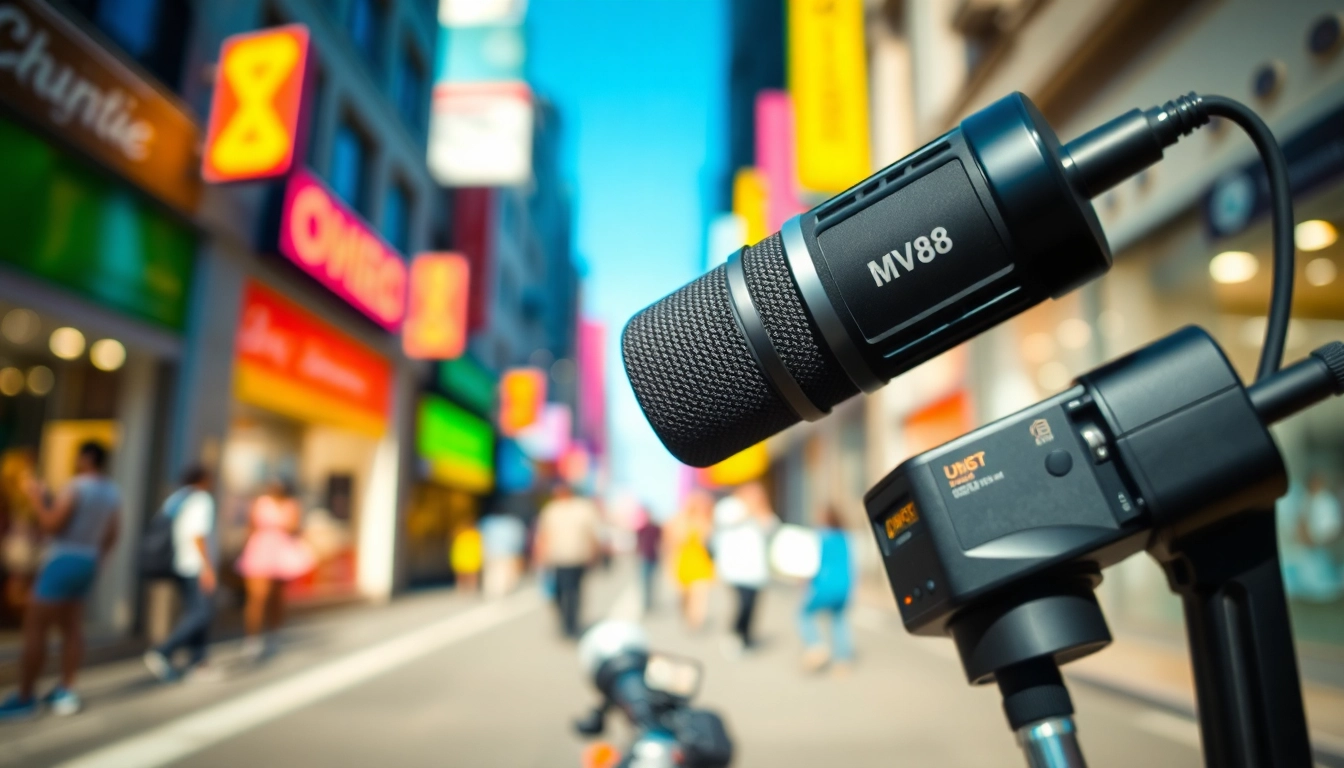
The MV88 microphone is a standout piece of audio equipment that caters to a range of recording needs. Designed for mobile devices, it features a robust yet compact design, making it ideal for on-the-go audio capturing. The MV88 operates using a Lightning connector, allowing for seamless integration with iOS devices like iPhones and iPads. Its innovative capabilities are complemented by its high-quality stereo sound, making it a favorite among podcasters, musicians, and audio professionals alike.
Among its most significant features, the MV88 integrates Akustica Digital Signal Processing (DSP), which ensures clean and optimized audio capture. This microphone also allows users to adjust the stereo width and choose among various polar patterns that best capture the intended sound. The accompanying ShurePlus MOTIV app enhances its functionality, providing users with valuable tools like equalization and compressor settings for tailored sound recording. With these features combined, the MV88 becomes a versatile tool suitable for everything from interviews to live performances.
2. How the MV88 Compares to Other Models
When put against competitors in the portable microphone market, the MV88 holds its ground due to its unique specifications and capabilities. Models like the Rode VideoMic Me and the Zoom iQ6 also target mobile users; however, they do not offer the same level of customization and sound quality as the MV88.
Take the Rode VideoMic Me, for instance. It provides decent sound quality and is a commendable choice for videographers, but its directional capabilities are limited compared to the MV88's adjustable polar patterns. Similarly, while the Zoom iQ6 captures clear audio, it lacks the deep integration with mobile applications that the MV88's ShurePlus MOTIV app offers.
Ultimately, users looking for versatility, superior sound quality, and user-friendly controls will find the MV88 to be a strong contender in the world of mobile microphones. Its adaptability allows for various recording scenarios that many competitors struggle to address effectively.
3. Key Use Cases for the MV88
The MV88 is not just a microphone; it's a complete sound solution that can be applied in numerous situations. Here are a few notable use cases:
- Podcasts: With its high-fidelity sound and compatibility with iOS devices, the MV88 is perfect for podcasters who require a portable solution without compromising quality.
- Musical Performances: Musicians can use the MV88 to capture live performances, rehearsals, or practice sessions, ensuring that every note is perfectly recorded.
- Interviews: Journalists and content creators can utilize the MV88 to conduct interviews in various environments, guaranteeing clear audio capture for both parties.
- Field Recording: Whether for sound design in film or nature recordings, the MV88's directional capabilities make it a reliable tool for field recordings.
Setting Up Your MV88 for Optimal Performance
1. Step-by-Step Setup Guide
Setting up the MV88 is a straightforward process, allowing users to start recording with minimal fuss. Here’s a quick guide to get you up and running:
- Connect to Your Device: Simply plug the MV88 into the Lightning port of your iOS device.
- Download the App: Install the ShurePlus MOTIV app from the App Store, which provides advanced configuration options.
- Customize Settings: Open the app to adjust the microphone's settings, such as selecting the polar pattern and stereo width.
- Position the Microphone: Position the MV88 appropriately, keeping it a suitable distance from the sound source for optimal sound capture.
- Start Recording: Press the record button in the app once all settings are tweaked to your liking. You’re ready to go!
2. Essential Accessories to Enhance Usage
While the MV88 is capable on its own, several accessories can help maximize its performance:
- Windshield: A foam windshield can help reduce wind noise during outdoor recordings, ensuring clarity in your audio.
- Portable Tripod: A tripod allows for stable positioning of your microphone, which is essential for interviews and musical performances.
- Adapter Cables: For connecting the MV88 to other devices or setups that may not have a Lightning connection.
- Carrying Case: A protective case ensures your MV88 and its accessories remain safe and organized while traveling.
3. Common Mistakes to Avoid
Even with a device as user-friendly as the MV88, several pitfalls can hinder audio quality. Here are some common mistakes and how to avoid them:
- Poor Positioning: Placing the microphone too close or too far from the sound source can lead to poor sound quality. Maintain a balanced distance for the best results.
- Ignoring the Environment: Ambient noise can drastically affect your recordings. Ensure you choose a quiet environment for significant projects.
- Not Using Digital Signal Processing: Failing to utilize the built-in DSP can result in less than optimal sound. Familiarize yourself with the app to enhance your recordings effectively.
- Overloading the Input: Setting the input levels too high can cause distortion. Stay within a reasonable range and monitor levels while recording.
Recording Techniques with the MV88
1. Best Practices for Clear Sound Capture
Achieving high-quality audio with the MV88 involves adhering to best practices that maximize its capabilities. Consider the following tips:
- Microphone Placement: Experiment with distances to find the sweet spot where the sound is most balanced. Utilize a pop filter when recording vocals to minimize plosive sounds.
- Use of Headphones: Monitoring your audio through headphones during recording can help catch any issues in real-time.
- Acoustic Treatment: When possible, record in acoustically treated spaces to minimize echo and background sounds and achieve a more professional sound.
2. Using the MV88 in Different Environments
The MV88's versatility shines when used in varied environments. Here’s how to adapt it across different recording scenarios:
- Indoor Settings: For podcasts or music recordings in a studio, utilize a cardioid pattern to focus on the sound source while minimizing reflections from walls.
- Outdoors: In outdoor settings, use the MV88 with a windscreen attached to minimize wind noise. The omnidirectional pattern can help capture ambient sounds, adding character to natural environments.
- Live Performances: During live shows, employ the MV88 to record the atmosphere and sound dynamics of the venue. Experiment with the stereo width for a textured sound experience.
3. Creative Applications of the MV88 Microphone
Beyond conventional uses, the MV88 offers a wealth of creative possibilities. Here are a few innovative applications:
- Soundscapes for Video: Use the MV88 to record ambient soundscapes for video projects, enhancing the storytelling aspect through sound.
- Field Recordings: Capture unique soundscapes outdoors, showcasing the natural environment and its various auditory characteristics.
- Voiceovers: The MV88 can serve as an excellent tool for recording voiceovers for video and multimedia presentations.
Advanced Features of the MV88
1. Understanding Digital Signal Processing
One of the MV88's unique features is its integration of digital signal processing (DSP). This technology improves audio quality through real-time adjustments made on the audio signal before it is recorded. The DSP provides several presets, including settings optimized for speech, music, and loud sources. Understanding how to utilize these presets allows users to capture a cleaner signal while minimizing unwanted noise.
2. Customizing Settings for Unique Sounds
The MV88 allows users to customize settings according to personal preferences and specific recording needs. Using the ShurePlus MOTIV app, you can control various parameters:
- Stereo Width: Adjusting the stereo width setting provides control over how sound feels from left to right, making recordings more engaging.
- Polar Patterns: Selecting between cardioid, bidirectional, and omnidirectional patterns can tailor sound capture for specific needs, such as interviews or music.
3. Integrating with Other Audio Equipment
For users looking to incorporate the MV88 into larger audio setups, it can be easily integrated into various audio workflows. Whether connecting to portable recorders, mixers, or other microphones, the MV88’s adaptable design makes it a versatile addition to any audio kit. With appropriate adapters, users can effectively record within complex systems, enhancing their capacity to capture high-quality sound in multifaceted environments.
Real-World Experiences with the MV88
1. User Reviews and Testimonials
User experiences with the MV88 microphone have been overwhelmingly positive. Many users praise its sound quality, portability, and ease of use, particularly in dynamic scenarios like outdoor events and traveling. Reviews on platforms like Amazon and professional audio forums often highlight how the MV88 exceeded expectations for its price range.
Podcasters report cleaner audio captures that require less post-production tweaking, while musicians appreciate its fidelity and ability to pick up nuanced performances during live sessions. Overall, user testimonials reflect a high level of satisfaction and loyalty towards the MV88.
2. Case Studies: Successful Audio Projects
Several case studies illustrate the effectiveness of the MV88 in various recording projects:
- Podcast Production: A podcast team utilized the MV88 to record interviews on the go, praising its ability to deliver studio-quality sound in noisy environments. Feedback from listeners noted the sharp clarity and clean playback, significantly enhancing their overall listening experience.
- Live Musical Performances: A musician recorded an impromptu concert with the MV88, capturing the energy of the audience alongside the performance. The resultant audio was shared across social media platforms, showcasing the MV88’s capacity to produce rich sound even without heavy post-processing.
3. Evaluating Performance Metrics
When evaluating the performance of the MV88, several key metrics come into play. These include signal-to-noise ratio, frequency response, and dynamic range, all of which contribute to overall audio fidelity. The MV88 boasts an impressive signal-to-noise ratio, ensuring cleaner recordings even in challenging environments.
With a frequency response ranging from 20 Hz to 20 kHz, the MV88 captures the full spectrum of audible sound. Users can expect consistent results across recording types, whether for clear speech or nuanced musical performances. Evaluating these performance metrics can help determine if the MV88 aligns with the user’s audio recording needs.