Understanding Construction Site Safety
What is Construction Site Safety?
Construction site safety refers to the policies, procedures, and practices aimed at creating a secure working environment on construction sites. It encompasses everything from risk assessments and safety training to the implementation of personal protective equipment (PPE). A strong commitment to construction site safety is crucial in preventing workplace injuries and ensuring compliance with local and federal safety regulations.
Importance of Safety Regulations
Safety regulations are put in place to protect workers and manage risks associated with construction activities. These regulations provide guidelines on critical aspects such as fall protection, machinery operation, and hazardous materials handling. Compliance with safety regulations not only safeguards employees but also helps organizations avoid legal repercussions and financial losses stemming from workplace accidents. The Occupational Safety and Health Administration (OSHA) plays a vital role in enforcing these regulations, and organizations must stay informed about relevant laws to maintain a safe work environment.
Common Hazards on Construction Sites
Construction sites are rife with potential hazards that can lead to injuries. Common hazards include:
- Falls: One of the leading causes of fatalities in construction, often due to working at heights without proper fall protection.
- Electricity: Live wires and improper use of tools can result in electric shock or electrocution.
- Machinery: Heavy machinery poses risks of crushing injuries or accidents if not operated correctly.
- Hazardous Materials: Exposure to chemicals can lead to health issues if safety protocols are not followed.
- Slips, Trips, and Falls: Uneven ground, debris, and poor site housekeeping can increase the risk of injuries.
Key Elements of Construction Site Safety
Personal Protective Equipment (PPE)
Personal protective equipment (PPE) is essential for safeguarding workers from injuries. Key types of PPE include:
- Hard Hats: Protect against head injuries from falling objects.
- Safety Glasses: Shield the eyes from dust, debris, and chemicals.
- High-Visibility Clothing: Makes workers more visible to operators of heavy machinery.
- Hearing Protection: Reduces the risk of hearing loss in noisy environments.
- Steel-Toed Boots: Protect feet from heavy falling objects or punctures.
Employers must ensure that all workers are trained to use PPE properly and that equipment is regularly inspected for wear and tear.
Site Safety Signage and Communication
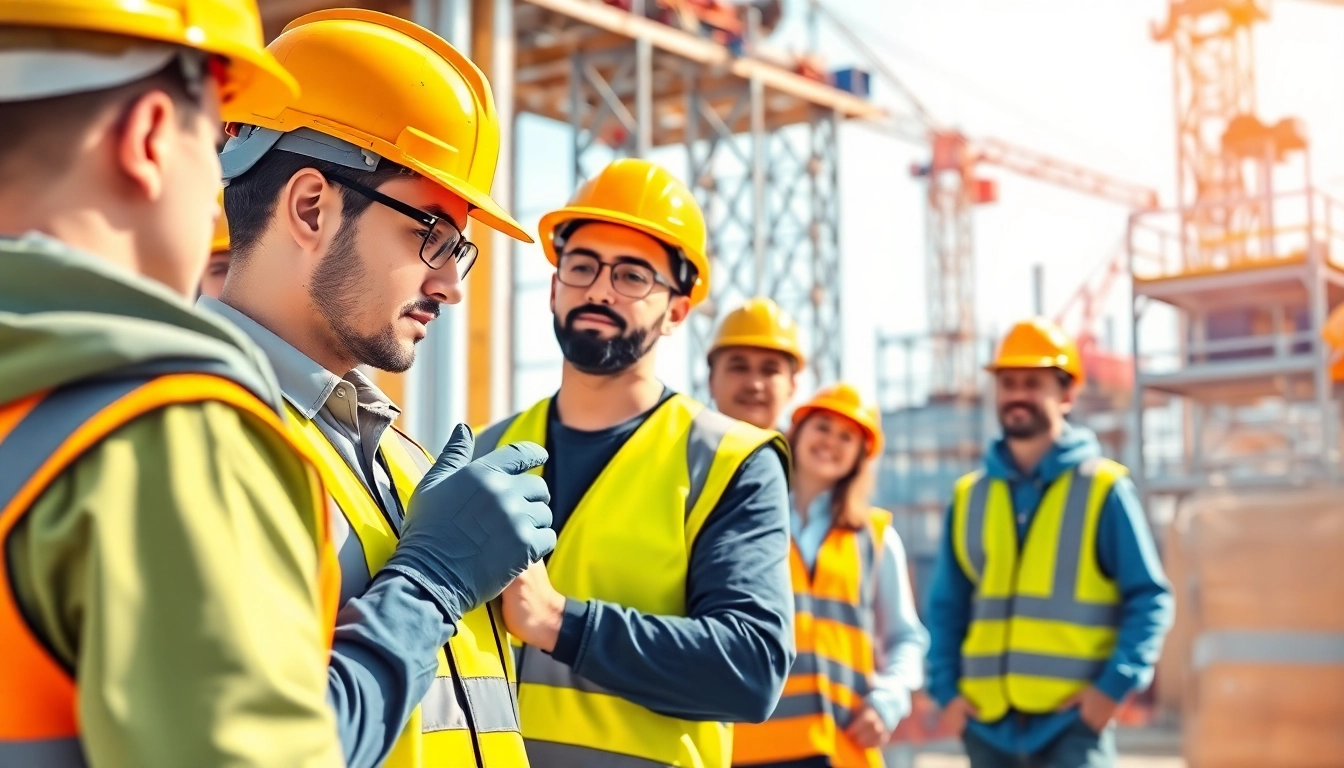
Effective communication on construction sites is critical for safety. Properly placed safety signs, such as warnings about specific hazards and instructions for safe practices, serve as visual reminders of risks. Additionally, daily briefings or “toolbox talks” can facilitate communication among workers about ongoing tasks, potential hazards, and any changes in safety protocols. This open line of communication encourages a culture of safety where everyone feels responsible for their safety and that of their coworkers.
Regular Safety Audits and Inspections
Conducting regular safety audits and inspections is paramount for identifying hazards and ensuring compliance with established safety standards. These audits can help pinpoint areas needing improvement, evaluate the effectiveness of current safety measures, and ensure that the site adheres to relevant regulations. Audits should be scheduled regularly, and any violations documented and addressed promptly to mitigate risks. Furthermore, including employees in the audit process helps foster a sense of ownership over onsite safety practices.
Best Practices for Implementing Construction Site Safety
Training and Education Programs
Comprehensive training and education programs are foundational to fostering a culture of safety on construction sites. New hires should undergo orientation covering safety protocols, hazard recognition, and proper use of PPE before starting work. Ongoing training sessions should also be conducted regularly to keep the entire workforce informed about updated safety practices and new regulations. Implementing hands-on training allows workers to experience real-life scenarios and understand the implications of safety compliance.
Emergency Preparedness and Response Plans
Having a well-defined emergency preparedness and response plan is vital for mitigating the impact of accidents when they occur. This plan should include clear procedures for responding to various emergencies, such as fires, medical emergencies, or natural disasters. Establishing a communication system for alerting workers of an emergency and conducting regular drills to practice the response can enhance preparedness and ensure that everyone knows their role in a crisis situation.
Safety Meetings and Briefings
Regular safety meetings help reinforce safety protocols and encourage worker engagement in safety practices. These meetings should address recent incidents, near misses, and any new hazards that may have arisen. Positive reinforcement can further encourage safety compliance, making it clear that safety is a priority. Actively involving workers in discussions surrounding safety promotes accountability and emphasizes the responsibility all individuals share in maintaining a safe construction environment.
Monitoring and Improving Safety Compliance
Reporting and Addressing Safety Violations
Establishing a clear reporting system for safety violations allows workers to bring issues to management's attention without fear of reprisal. This system should ensure that workers understand how to report hazards or unsafe practices and that management takes swift action to address these reports. Encouraging a culture of transparency empowers workers and promotes a proactive approach to safety.
Data-Driven Safety Performance Metrics
Utilizing data-driven metrics to gauge safety performance can help construction companies identify trends and areas for improvement. Key performance indicators (KPIs) might include injury rates, near-miss incidents, and compliance with PPE protocols. Analyzing this data helps organizations develop effective strategies to mitigate risks and enhance overall safety outcomes. Regularly reviewing these metrics can also guide informed decision-making and resource allocation.
Continuous Improvement Strategies
The commitment to safety should not be static; rather, it must evolve continuously. Implementing continuous improvement strategies, such as feedback systems and iterative training updates, can help organizations adapt and enhance their safety protocols. By encouraging feedback from workers and analyzing performance data, construction companies can refine their approach, identify new hazards, and implement more effective safety practices over time.
Frequently Asked Questions About Construction Site Safety
What is the primary focus of construction site safety?
The primary focus is to protect workers from hazards and prevent accidents through regulatory compliance and training.
Why is PPE critical in construction site safety?
PPE provides essential protection against physical injuries, falls, and exposure to hazardous materials on site.
How often should safety audits be conducted on a construction site?
Safety audits should be conducted regularly, ideally monthly, to ensure adherence to safety standards and protocols.
What role do safety meetings play in construction site safety?
Safety meetings facilitate communication, promote awareness, and reinforce safety protocols among all workers on site.
How can technology improve construction site safety?
Technology enhances safety through real-time monitoring systems, training apps, and streamlined reporting tools for incidents.