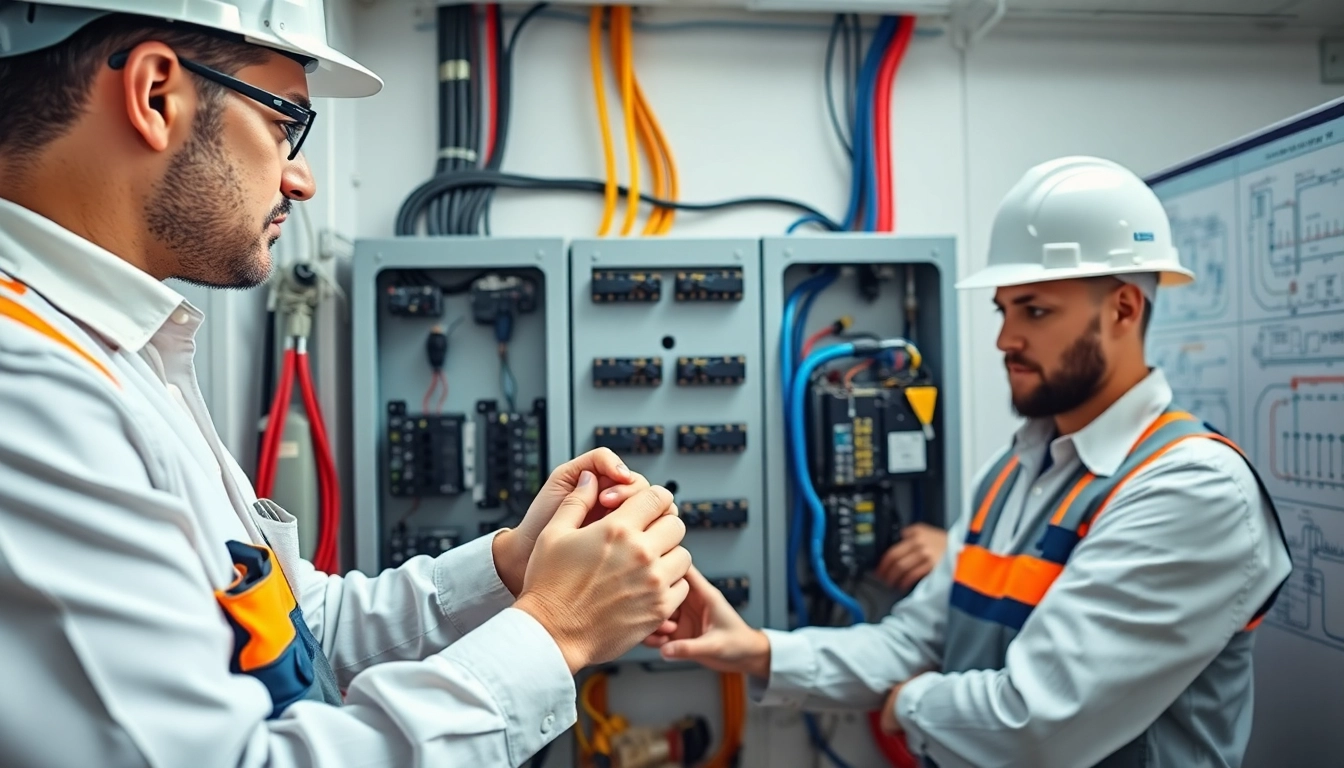
Understanding Commercial Electrical Maintenance
Every successful business relies on a network of systems designed to keep operations running smoothly, and electrical systems are among the most critical. Regularly scheduled commercial electrical maintenance not only ensures compliance with safety standards but also safeguards against unexpected failures that can disrupt productivity and incur significant costs. Understanding the fundamentals of commercial electrical maintenance is essential for any business operating within commercial premises.
The Importance of Regular Maintenance
Regular maintenance of electrical systems is vital for the longevity and efficiency of the electrical infrastructure in commercial facilities. By performing routine checks and updates, businesses can prevent minor issues from escalating into major problems. This proactive approach minimizes downtime and reduces repair costs considerably.
Key Components of Electrical Systems
Commercial electrical systems are composed of several key components, including:
- Electrical Panels: The nerve center for distribution in the building, where power is managed.
- Circuit Breakers: Protects wiring from overload by interrupting electrical flow when necessary.
- Wiring and Cabling: The infrastructure that carries electricity throughout the facility.
- Lighting Fixtures: Critical for visibility and productivity, these must be well maintained to ensure proper functionality.
- Grounding Systems: Essential for safety, these systems prevent electrical shock and equipment damage.
Signs of Electrical Issues in Commercial Settings
Recognizing the signs of potential electrical problems early allows businesses to address issues before they lead to severe outages or safety hazards. Common indicators include:
- Flickering or dimming lights, which may suggest an overloaded circuit.
- Frequent tripping of circuit breakers, indicating electrical overload.
- Unusual smells, such as burning plastic, pointing to overheating components.
- Buzzing noises from outlets or appliances, often a sign of faulty wiring.
- Hot outlets or switches, which can indicate a serious electrical issue.
Best Practices for Commercial Electrical Maintenance
Effective commercial electrical maintenance requires a detailed approach that incorporates scheduled procedures, adequate tools, and adherence to compliance and safety standards.
Scheduled Maintenance Procedures
Creating a detailed maintenance schedule helps ensure critical systems aren't overlooked. This schedule should include:
- Periodic inspections of all electrical components.
- Regular testing of circuit breakers and emergency lighting.
- Updating electrical panels as necessary to accommodate new equipment.
- Replacing worn-out wiring and fixtures to maintain safety and efficiency.
Essential Tools for Electricians
The right tools are essential for carrying out effective maintenance. Key tools include:
- Multimeters: For measuring electrical voltage, current, and resistance.
- Wire Strippers: For safely stripping insulation from wires.
- Insulation Testers: To check the integrity of insulation on wiring.
- Non-Contact Voltage Testers: For safely determining the presence of voltage without direct contact.
- Electrician's Hand Tools: Such as pliers, screwdrivers, and wrenches needed for general repair and maintenance.
Compliance and Safety Standards
Compliance with safety standards like the National Electrical Code (NEC) is critical in ensuring both employee safety and operational efficiency. Regular audits and updates in line with these standards can prevent legal issues and enhance workplace safety. Integrating safety training for all staff can further ensure adherence to compliance protocols.
Implementing an Effective Maintenance Plan
Creating an effective maintenance plan requires detailed management strategies that consider scheduling, documentation, and staff training.
Creating a Maintenance Schedule
Establishing a maintenance schedule is an essential task for any facility manager. It should be tailored to the specific needs of the electrical systems and include:
- A calendar of regular maintenance tasks (e.g., monthly, quarterly).
- Clear designation of responsibilities for staff involved in maintenance.
- Incorporation of seasonal checks, especially before peak use periods.
Documenting Maintenance Activities
Documentation is crucial for tracking the maintenance history of electrical systems. This should include records of:
- Past repairs and inspections.
- Updates made to systems and compliance checks.
- Any incidents of electrical failures and their impacts.
Training for Staff and Technicians
Training programs for staff and technicians are vital to maintaining safety and efficiency. Continuous education can cover:
- Recognizing signs of electrical issues.
- Emergency response procedures in case of electrical hazards.
- Understanding compliance requirements and operational protocols.
Evaluating the Performance of Electrical Systems
To maintain optimal functionality, regular evaluations of electrical systems must occur to identify areas for improvement.
Key Performance Indicators (KPIs)
Monitoring specific Key Performance Indicators (KPIs) can provide insight into the effectiveness of electrical systems, such as:
- Energy efficiency (kWh usage vs. output).
- Frequency of electrical failures and repairs.
- Maintenance costs as a percentage of total operational costs.
- Compliance audit results and findings.
Utilizing Technology for Monitoring
Modern technology provides invaluable tools for monitoring electrical systems remotely. Smart meters and monitoring systems can help track real-time data, enabling quick responses to potential issues.
Addressing Performance Issues Promptly
When performance issues arise, addressing them swiftly is critical to minimize operational impact. Strategies include:
- Immediate repair or replacement of faulty components.
- Consulting with experienced technicians for troubleshooting.
- Reassessing maintenance schedules if issues recur frequently.
Frequently Asked Questions about Commercial Electrical Maintenance
What is commercial electrical maintenance?
Commercial electrical maintenance involves regular service and inspections to ensure safety, efficiency, and compliance of electrical systems in business premises.
How often should maintenance be performed?
Maintenance should be performed at least annually, with more frequent checks recommended for high-use or sensitive equipment.
What are common electrical issues to watch for?
Common issues include circuit overloads, frequent breaker trips, flickering lights, and overheating outlets, all indicating potential problems.
How can businesses ensure compliance with safety standards?
By adhering to local electrical codes, conducting regular safety audits, and providing employee training on safety protocols, compliance can be ensured.
Why is documentation important in maintenance?
Documentation tracks maintenance history, supports compliance, and helps identify recurring issues, enabling proactive management of electrical systems.