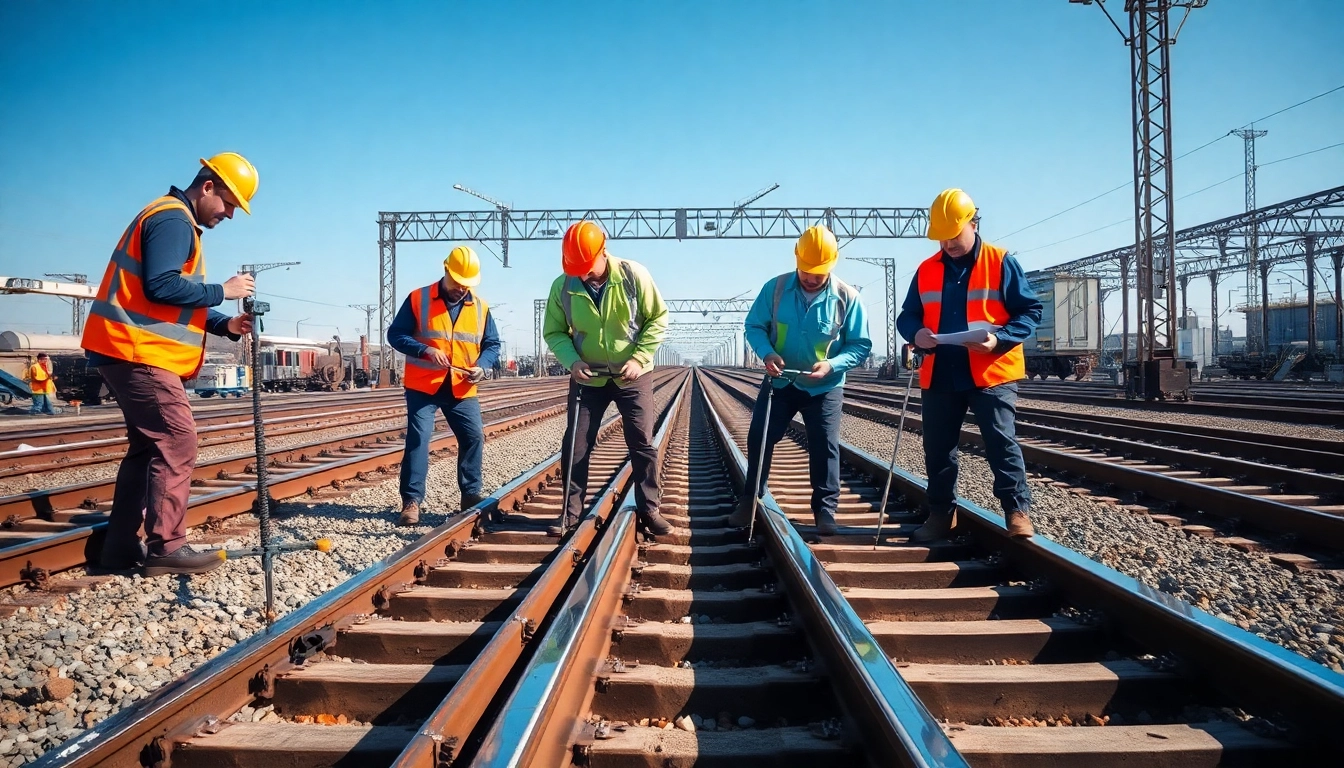
Understanding Track Inspection
What is Track Inspection?
Track inspection is a systematic assessment process undertaken to evaluate the condition, safety, and performance of railway tracks. This crucial procedure involves both manual and automated methodologies to identify any defects or deterioration that may pose risks to rail operations. By ensuring that tracks are in optimal condition, rail operators can enhance safety, increase operational efficiency, and minimize maintenance costs. In essence, Track Inspection serves as the backbone of railway safety, safeguarding lives, assets, and merchandise transported by train.
Importance of Track Inspection
The significance of track inspection cannot be overstated. Regular and thorough inspections help to ensure that railways operate safely and reliably. With increases in passenger and freight traffic, the demand for robust track inspection protocols has surged. Key reasons for conducting track inspections include:
- Safety Assurance: Regular inspections minimize risks of accidents caused by track failures, such as derailments.
- Cost Efficiency: Proactive maintenance derived from inspections can save companies substantial amounts in repair costs and service disruptions.
- Compliance: Many regulatory bodies require regular inspections to ensure adherence to safety standards and regulations.
- Operational Efficiency: Maintaining tracks in good condition optimizes train schedules, reduces delays, and enhances customer satisfaction.
Key Components of Effective Track Inspection
Effective track inspection encompasses several critical components that collectively contribute to maintaining the integrity of railway networks. Some of these include:
- Qualified Personnel: Trained inspectors who understand the complexities and nuances of track systems.
- Standardized Procedures: Consistent inspection protocols that enhance reliability and comparability over time.
- Data Collection: Gathering precise data from inspections for performance evaluation and future planning.
- Technology Integration: Employing advanced tools and systems to deepen insights and improve efficiency in assessments.
Methods of Track Inspection
Visual Inspection Techniques
Visual inspections are the cornerstone of track assessment processes. Inspectors conduct thorough on-foot examinations, often using tools like track gauges and measuring wheels, to identify surface defects, track geometry issues, and wear. Key aspects include:
- Regular Walkthroughs: Inspectors look for signs of deterioration, misalignment, and infrastructure inadequacies.
- Detailed Reporting: Documenting findings allows for precise tracking of issues over time, forming the basis for maintenance schedules.
- Expert Knowledge: Seasoned professionals leverage their expertise to assess minor issues before they escalate into major problems.
Technological Tools in Track Inspection
Modern technology has revolutionized track inspection processes, yielding precise and actionable data. Some pivotal tools include:
- Ultrasonic Testing Equipment: Utilizes sound waves to detect internal faults and cracks in rail tracks.
- Laser Measurement Systems: Allows for high-precision measurements of track geometry, ensuring alignment and safety.
- Track Geometry Cars: Specialized trains equipped with advanced sensors collect ongoing data on track condition as they travel.
Using Drones for Track Inspection
Drones have emerged as a transformative force in track inspection, providing aerial views and accessing hard-to-reach areas. Advantages include:
- Enhanced Safety: Minimizing personnel exposure to dangerous environments during inspections.
- Time Efficiency: Drones can cover extensive distances quickly, allowing for rapid data collection.
- High-resolution Imagery: Provides detailed views and analyses of track conditions from multiple angles.
Challenges in Track Inspection
Common Issues Faced
Despite advancements, track inspection remains fraught with challenges. Some recurring issues include:
- Insufficient Training: Lack of adequately trained personnel can lead to oversight and inaccuracies in assessments.
- Funding Constraints: Limited budgets may restrict the frequency and thoroughness of inspections.
- Inconsistent Methods: Variability in inspection techniques can lead to discrepancies in data and ineffective maintenance strategies.
Weather-Related Challenges
Adverse weather conditions can significantly impact the effectiveness of track inspections. Rain, snow, and extreme temperatures may hinder visibility and safety, leading to missed issues. To mitigate these effects, it's crucial to:
- Plan inspections during favorable weather.
- Utilize technology that can perform well under various conditions.
- Implement a flexible inspection schedule that accommodates changing weather patterns.
Maintaining Inspection Consistency
Maintaining consistent inspection practices requires adherence to standardized protocols and regular training updates for inspectors. Organizations can take several steps to bolster consistency, such as:
- Developing comprehensive checklists that inspectors follow during each assessment.
- Utilizing automated tracking tools to ensure every aspect of track inspection is monitored.
- Regularly reviewing inspection reports to maintain high standards and address discrepancies.
Best Practices for Track Inspection
Scheduling Regular Inspections
To effectively manage railway infrastructure, scheduling regular inspections is vital. This includes implementing a systematic timetable based on factors like track usage and external conditions. Some best practices include:
- Creating a proactive maintenance calendar that outlines all necessary inspections.
- Incorporating buffer periods for unexpected inspections due to weather or other emergencies.
- Utilizing predictive analytics to optimize inspection schedules based on data-driven risk assessments.
Training Inspectors Effectively
A well-trained inspection team is essential for success. Consider the following approaches to enhance inspector training:
- Regularly updating training programs to include the latest technologies and methodologies.
- Offering practical hands-on training and simulations to reinforce classroom learning.
- Encouraging knowledge sharing and mentoring among experienced inspectors and new recruits.
Integrating Data Analysis
Data analysis plays a crucial role in transforming inspection findings into actionable insights. It’s important to:
- Collect and analyze historical data to identify trends and recurrent issues.
- Utilize software tools that can visualize and model data for easy interpretation.
- Implement KPIs to measure inspection effectiveness and track improvements.
Measuring Track Inspection Performance
Key Performance Indicators (KPIs)
To gauge the efficacy of track inspection programs, organizations should establish specific KPIs, including:
- Inspection Frequency: How often inspections are conducted compared to the scheduled frequency.
- Incident Rates: Tracking the number of incidents related to track failures.
- Response Times: Evaluating the time taken to address identified issues.
Feedback Mechanisms
Continuous improvement hinges on effective feedback mechanisms. Here are ways to implement these effectively:
- Establishing channels for inspectors to provide direct feedback after inspections.
- Utilizing surveys that gauge the effectiveness of tools and techniques used during inspections.
- Regularly reviewing feedback to refine inspection processes and training programs.
Continuous Improvement Strategies
Adopting a mindset of continuous improvement is vital for maintaining inspection standards. Strategies include:
- Conducting post-inspection reviews to assess what worked and what could be improved.
- Engagement in industry forums to stay updated on best practices and innovations in track inspection.
- Implementing pilot programs for new technologies before widespread adoption.
FAQs:
1. How often should track inspection occur?
Track inspection frequency depends on usage and environmental conditions but is typically recommended every 6-12 months.
2. What tools are essential for track inspection?
Common tools include track gauges, ultrasonic testing equipment, and laser measurement systems.
3. Can automation improve track inspection?
Yes, automation through drones and advanced sensors enhances accuracy and efficiency in inspections.
4. What role does technology play in modern track inspection?
Technology aids in real-time data collection, analysis, and predictive maintenance strategies, ensuring better safety.
5. How do weather conditions affect track inspection?
Adverse weather can limit visibility and safety, necessitating adjustments in inspection schedules and methods.