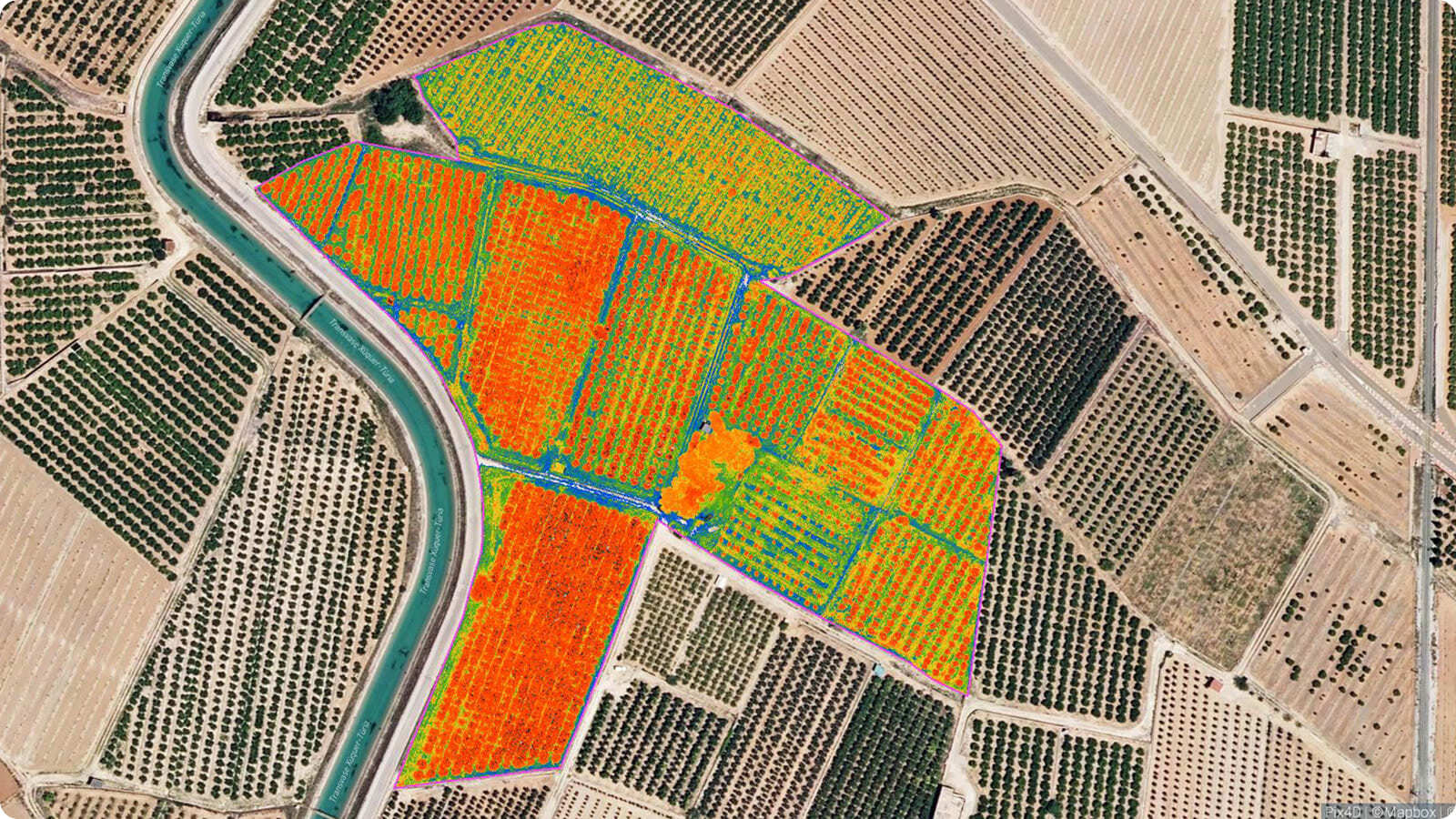
Understanding Geospatial Data Analysis
Geospatial data analysis involves examining information that is linked to specific geographic locations to uncover patterns, relationships, and trends. It combines location-based data with analytical methods, providing businesses and innovators with insights that go beyond traditional data analysis. By leveraging Geospatial data, organizations can make smarter decisions, optimize operations, and uncover new opportunities for growth.
Geospatial data analysis answers critical questions such as where events occur, how they are distributed, and what spatial relationships influence outcomes. When integrated with advanced technologies like artificial intelligence and machine learning, this data transforms from static information into actionable intelligence that drives strategic innovation.
Importance of Geospatial Data in Modern Business
Enhancing Decision-Making with Spatial Insights
Businesses today operate in complex environments where understanding the geographic context is essential. Geospatial data analysis allows companies to identify location-based trends, evaluate market potential, and make data-driven decisions. For example, retail chains can determine optimal store locations based on population density, traffic patterns, and competitor distribution.
AI-powered geospatial analysis adds predictive capabilities, allowing businesses to anticipate customer behavior, forecast demand, and respond to changes in real time. This proactive approach gives organizations a competitive edge and reduces risks associated with uninformed decision-making.
Optimizing Operations and Logistics
Geospatial data analysis is particularly valuable in supply chain management and logistics. Companies can track shipments, optimize delivery routes, and monitor fleet performance using spatial data. Machine learning algorithms analyze traffic patterns, weather conditions, and road networks to reduce transit times and minimize fuel consumption.
This operational efficiency not only reduces costs but also improves customer satisfaction. Businesses leveraging geospatial data in logistics can respond to disruptions quickly and maintain continuity in service delivery.
Key Applications of Geospatial Data Analysis
Market Research and Consumer Insights
Understanding consumer behavior is critical for business success. Geospatial data analysis enables companies to map customer locations, study movement patterns, and identify regional preferences. Retailers, hospitality providers, and service businesses can tailor marketing campaigns based on location-specific insights.
By analyzing geospatial data over time, companies can detect emerging trends, evaluate the success of location-based promotions, and make informed investment decisions.
Real Estate and Urban Development
Geospatial data analysis plays a crucial role in real estate and urban planning. Developers use spatial insights to evaluate property values, assess neighborhood growth, and identify optimal development sites. Geospatial models can predict future urban expansion, infrastructure needs, and population shifts, helping investors and city planners make strategic choices.
AI-driven analysis enhances these insights by integrating multiple data sources, including demographic statistics, traffic flows, and environmental factors, to produce precise and actionable recommendations.
Risk Management and Compliance
Geospatial data analysis supports businesses in managing risks and adhering to regulations. Organizations can monitor environmental hazards, natural disaster risks, and potential operational disruptions. Insurance companies, for instance, use geospatial data to calculate exposure and assess claims based on location-specific information.
Compliance-driven sectors, such as utilities and transportation, rely on geospatial analysis to ensure operations meet regulatory requirements and safety standards. Spatial data provides a clear view of operational footprints and risk factors.
Tools and Techniques in Geospatial Data Analysis
Geographic Information Systems (GIS)
GIS is the cornerstone of geospatial data analysis. It allows businesses to capture, store, visualize, and analyze spatial data. GIS platforms provide powerful mapping tools, enabling organizations to overlay multiple datasets and uncover complex spatial relationships.
Businesses use GIS to monitor trends, plan infrastructure, and optimize resources. Integrating GIS with AI enhances predictive capabilities, allowing for more sophisticated and automated decision-making.
Remote Sensing and Satellite Data
Remote sensing technologies, including satellite imagery and aerial photography, provide high-resolution geospatial data. These datasets allow companies to monitor land use, track environmental changes, and assess large geographic areas efficiently.
AI algorithms can analyze remote sensing data to detect patterns, classify land types, and predict changes over time. This approach supports sustainable business practices and informed strategic planning.
Spatial Analytics and Machine Learning
Spatial analytics involves applying statistical and computational techniques to geospatial data. Machine learning models analyze patterns, correlations, and trends within spatial datasets. Businesses use these models for predictive analytics, such as forecasting demand, detecting anomalies, and optimizing marketing strategies.
By combining spatial analysis with AI, organizations can automate complex workflows, reduce human error, and gain insights faster than traditional methods.
Driving Innovation with Geospatial Data
Smart Cities and Urban Solutions
Geospatial data analysis drives innovation in urban development and smart city initiatives. Cities use spatial intelligence to optimize transportation, energy distribution, waste management, and public safety. Businesses that provide services in urban environments can leverage this data to align offerings with city planning, identify market opportunities, and improve operational efficiency.
AI-powered geospatial platforms enable continuous monitoring and adaptive solutions, creating smarter, more sustainable urban ecosystems.
Location-Based Services and Mobile Applications
Geospatial data fuels the growth of location-based services in mobile applications. Businesses use spatial data to deliver personalized content, promotions, and navigation assistance. Ride-sharing platforms, delivery services, and travel apps rely heavily on geospatial analysis to match supply and demand in real time.
Innovators use AI-enhanced geospatial data to predict user behavior, optimize routes, and improve service delivery, transforming user experiences and business models.
Environmental and Sustainability Initiatives
Organizations increasingly leverage geospatial data to support sustainability goals. Businesses can monitor environmental impact, optimize resource use, and plan green infrastructure projects. AI-driven analysis of geospatial data helps predict climate risks, manage natural resources, and ensure compliance with environmental regulations.
Geospatial insights empower companies to make sustainable decisions that benefit both business performance and societal welfare.
Challenges in Geospatial Data Analysis
Data Quality and Standardization
The value of geospatial data depends on its accuracy, resolution, and consistency. Inconsistent or outdated data can lead to flawed analysis and suboptimal decisions. Businesses must implement robust data validation, cleaning, and standardization processes to ensure reliability.
Integrating multiple data sources while maintaining quality remains a key challenge in large-scale geospatial analysis.
Privacy and Ethical Considerations
Geospatial data often includes sensitive information about individuals, locations, and assets. Businesses must balance innovation with privacy and ethical concerns. Compliance with data protection regulations, anonymization techniques, and transparent data usage policies is essential to maintain trust and avoid legal risks.
Technical Complexity and Infrastructure
Handling and analyzing large geospatial datasets requires advanced technical skills and robust infrastructure. High-performance computing, cloud platforms, and specialized analytical tools are often necessary to process and interpret geospatial data effectively.
Businesses must invest in technology and talent to fully leverage the potential of geospatial analysis.
Future Trends in Geospatial Data for Business
Integration with AI and Predictive Analytics
The future of geospatial data analysis lies in the seamless integration with AI and predictive analytics. Businesses will increasingly rely on spatial intelligence to forecast trends, optimize operations, and enhance customer experiences. AI-driven automation will enable real-time decision-making and continuous learning from geospatial inputs.
Democratization of Geospatial Insights
Emerging platforms are making geospatial analysis accessible to non-experts. Cloud-based tools and AI-powered visualization platforms allow businesses of all sizes to harness spatial data for innovation, strategy, and competitive advantage.
This democratization expands the impact of geospatial data beyond traditional technical teams to marketers, product managers, and strategic decision-makers.
Cross-Industry Innovation
Geospatial data analysis is driving innovation across industries, from logistics and retail to healthcare and finance. The ability to combine spatial insights with operational, financial, and customer data opens new opportunities for business models, services, and products.
Businesses that embrace geospatial intelligence will be well-positioned to lead in digital transformation and market disruption.
Conclusion: Geospatial Data as a Catalyst for Innovation
Geospatial data analysis is transforming the way businesses operate and innovate. By providing insights rooted in location and spatial relationships, it enables smarter decision-making, operational efficiency, and strategic foresight. When combined with AI and machine learning, geospatial data becomes a powerful tool for predicting trends, optimizing processes, and creating innovative solutions.
Organizations that harness geospatial data effectively gain a competitive edge, uncover new opportunities, and drive sustainable growth. As technology advances, geospatial data analysis will continue to shape the future of business, unlocking intelligence that is both actionable and transformative.