The Basics of Industrial Leasing
Understanding Industrial Leasing Defined
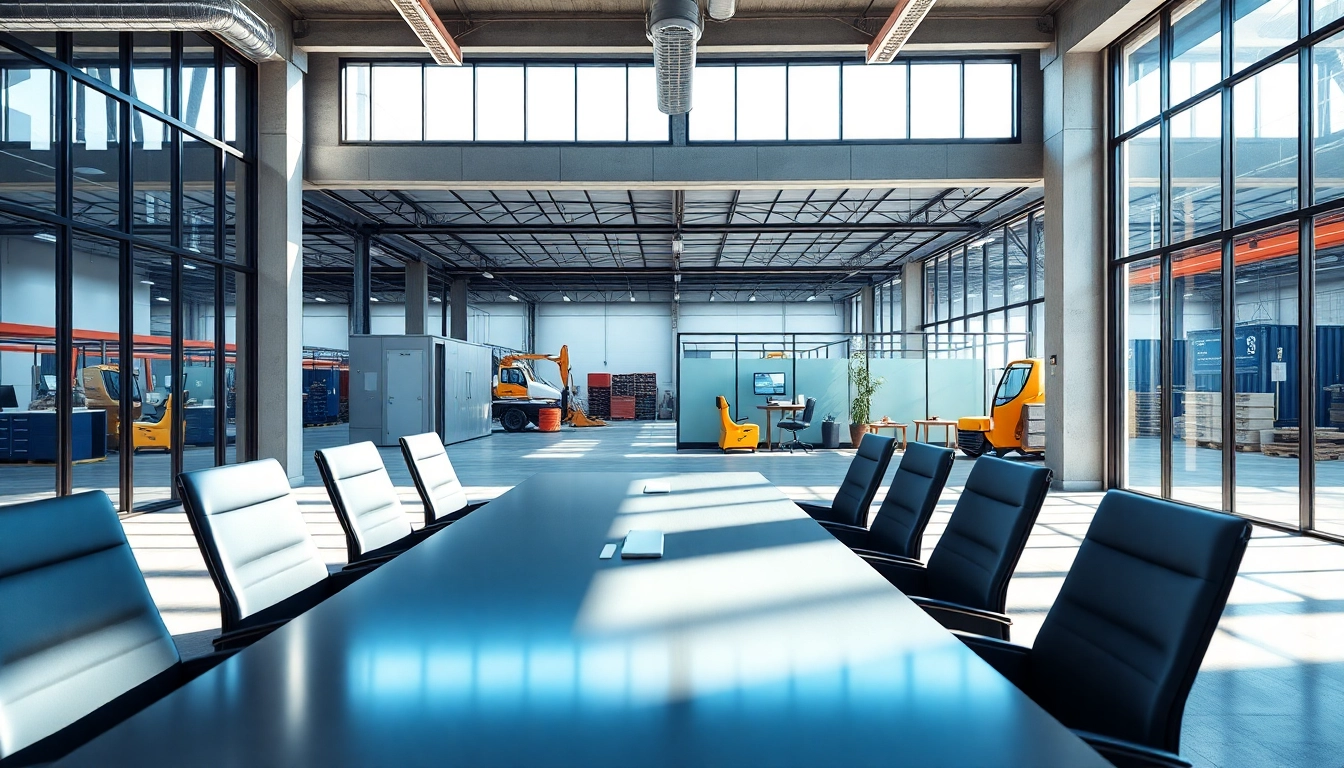
Industrial leasing refers to the process of renting industrial properties, which can include warehouses, manufacturing facilities, distribution centers, and other specialized spaces tailored to meet the needs of various businesses. These spaces play a crucial role in supply chain management and operations, serving as hubs for storage, production, and logistics. Unlike residential or retail leasing, industrial leasing involves unique considerations such as zoning regulations, compliance with safety standards, and the specifications required for different types of operations.
Types of Industrial Leasing Options Available
When it comes to industrial leasing, several types exist, catering to the diverse needs of businesses. The three primary types include:
- Warehouse Leasing: These spaces are designed primarily for storage and distribution. They often come equipped with loading docks, high ceilings, and access to transportation networks.
- Manufacturing Leasing: These properties are used for the production of goods and can vary significantly in size and layout based on the specific manufacturing processes involved.
- Flex Space Leasing: Combines elements of both office and industrial space, allowing businesses to have both operational and administrative areas under one roof.
Understanding the type of industrial space required is essential for any organization venturing into industrial leasing.
Key Factors Influencing Industrial Leasing Costs
The cost of leasing industrial space can fluctuate based on multiple factors:
- Location: Proximity to transportation networks, suppliers, and customers can significantly affect rental rates.
- Property Specifications: Features such as ceiling height, loading docks, and energy efficiency play a vital role in determining pricing.
- Lease Duration: Longer lease terms often come with better rates, while short-term leases might attract higher costs.
- Market Demand: Fluctuating demand in specific regions influences leasing costs, making it vital to monitor market trends.
Benefits of Industrial Leasing
Why Choose Industrial Leasing Over Purchasing
For many businesses, leasing industrial space offers numerous advantages compared to purchasing properties outright. Here are some key reasons:
- Lower Upfront Costs: Leasing typically requires less capital than purchasing a property, allowing businesses to allocate funds to other areas such as inventory and marketing.
- Flexibility to Scale: As companies grow or change, leasing provides the ability to expand or reduce space quickly without the burdens of property ownership.
- Risk Mitigation: Leasing transfers certain risks associated with property ownership to the landlord, such as maintenance and market fluctuations.
Flexibility and Scalability in Industrial Leasing
One of the standout benefits of industrial leasing is its inherent flexibility. Businesses often face fluctuating demands for space, and leases can be negotiated with various durations. This flexibility is particularly beneficial for:
- Startups: New businesses can secure space without committing to long-term ownership.
- Seasonal Operations: Companies that experience peak seasons can choose short-term leases to accommodate increased production needs.
- Business Expansion: As companies grow, they can negotiate new leases to secure additional space, thereby facilitating growth without the complications of real estate ownership.
Cost-Effectiveness of Industrial Leasing
While some may view leasing as a less favorable option compared to buying property, it can actually prove to be more cost-effective in the long run. Consider the following:
- Lower Maintenance Costs: Leased properties often have maintenance covered by the landlord, which can significantly reduce operation costs for a business.
- Tax Benefits: Lease payments are typically considered a business expense and can be deducted from taxable income.
- No Property Depreciation: Companies leasing space do not bear the burden of property depreciation, making it easier to manage cash flows.
Navigating the Industrial Leasing Process
Steps to Secure an Industrial Lease
Securing an industrial lease involves several key steps. Following this process can help ensure that businesses obtain the best possible lease for their needs:
- Define Your Needs: Start by identifying the specific requirements regarding size, location, and functionality.
- Market Research: Investigate current market trends to understand pricing, availability, and negotiate better rental terms.
- Engage a Real Estate Agent: An experienced commercial real estate agent can provide invaluable insights and access to properties that may not be publicly listed.
- Visit Potential Properties: Schedule visits to evaluate spaces firsthand and gauge how well they meet the identified needs.
- Negotiate Lease Terms: Review and negotiate lease terms to secure favorable conditions, such as rent escalations and the length of the lease.
- Finalize the Lease: Once both parties agree, the lease is signed, outlining the responsibilities and obligations of each party.
Essential Documents and Requirements in Industrial Leasing
Securing an industrial lease requires meticulous attention to documentation. Key documents include:
- Letter of Intent: A preliminary agreement outlining key lease terms and ensuring both parties are on the same page before formalization.
- Financial Statements: Landlords often require business financials to assess the tenant’s ability to pay rent consistently.
- Insurance Certificates: Tenants must obtain proper insurance, typically general liability and property insurance, to protect themselves and the landlord.
- Business Licenses: Certain industrial properties may require specific permits or business licenses to operate legally.
Working with Brokers and Agents in Industrial Leasing
Engaging with a commercial real estate broker can significantly streamline the industrial leasing process:
- Market Insight: Brokers bring expert knowledge about local market conditions and can guide businesses in choosing the right location and property.
- Negotiation Skills: An experienced broker can help negotiate favorable lease terms, potentially saving businesses thousands.
- Property Assessments: Brokers often facilitate property evaluations to ensure suitability for the intended use, avoiding costly mistakes.
Challenges in Industrial Leasing
Common Pitfalls to Avoid in Industrial Leasing
While industrial leasing can offer numerous advantages, businesses may encounter pitfalls that could lead to unfavorable leasing experiences. To avoid such challenges:
- Not Thoroughly Understanding Lease Terms: Always ensure clarity on the lease terms, including costs, maintenance responsibilities, and declination clauses.
- Ignoring Space Requirements: Assess long-term space requirements to avoid rapid outgrowing leased spaces, which could lead to excessive moving costs down the line.
- Underestimating Hidden Costs: Beyond base rent, consider additional costs such as utilities, property taxes, and maintenance when deciding on total expenses.
Mitigating Risks in Industrial Leasing Contracts
Effective risk management in leasing contracts is essential for protecting business interests. Key strategies include:
- Clarifying Responsibilities: Clearly define who handles maintenance, repairs, and upgrades to avoid disputes in the future.
- Exit Strategies: Ensure lease agreements include well-defined termination clauses that allow for safe exit strategies when necessary.
- Regular Property Inspections: Establish regular inspections to ensure properties are maintained according to lease agreements.
Understanding Market Variability in Industrial Leasing
The industrial real estate market can be highly variable, influenced by trends in production, e-commerce growth, and logistics demands. Businesses must stay informed of market conditions to:
- Anticipate Pricing Changes: Understanding current market trends helps avoid overpaying or signing unfavorable leases.
- Adapt to Technological Shifts: As technology evolves, so do the requirements for industrial spaces, making it important to choose leases that accommodate future growth.
- Strategy Development: Tailor leasing strategies based on market conditions to optimize space utilization and financial outlays.
Future Trends in Industrial Leasing
Emerging Technologies Impacting Industrial Leasing
Technological advancements are reshaping the landscape of industrial leasing. Key trends to watch for include:
- Automation: The rise of automation in warehouses and manufacturing will influence the types of spaces required, making flexibility a priority in lease agreements.
- Smart Solutions: IoT devices are becoming essential in monitoring operational efficiencies, leading to more technologically equipped leased spaces.
Shifts in Demand for Industrial Leasing Locations
Location preferences are changing due to evolving consumer behavior and supply chain dynamics. Factors impacting location demand include:
- Urbanization: With more consumers living in urban areas, demand for proximity to urban centers is increasing.
- Regional Logistics: The growth of e-commerce necessitates increased demand for distribution centers near major transportation hubs.
The Role of Sustainability in Future Industrial Leasing
Sustainability is becoming a key consideration for businesses looking to lease industrial spaces. Trends include:
- Green Buildings: The demand for eco-friendly buildings that reduce environmental impact is increasing, pushing landlords to invest in sustainable designs.
- Energy Efficiency: Properties with energy-efficient features not only lower operational costs but can also attract tenants interested in reducing their carbon footprint.