Introduction to 3PL and its Importance
In today’s fast-paced business environment, effective logistics management is vital for achieving operational success. Third-party logistics, commonly referred to as 3PL, is an essential component for businesses looking to enhance their supply chain efficiency. This article will explore the definition of 3PL, its numerous benefits, common misconceptions, and how it plays a pivotal role in modern commerce.
Definition and Overview of 3PL
Third-party logistics (3PL) encompasses the outsourcing of various supply chain services to a provider that specializes in logistics management. This includes tasks such as transportation, warehousing, inventory management, and order fulfillment. A 3PL provider acts as an intermediary between the client and shipping or storage options, allowing businesses to focus on their core competencies while leveraging expert logistics support. This outsourcing model provides a scalable and flexible solution for companies across various sectors, especially e-commerce, retail, and manufacturing.
Benefits of Utilizing 3PL Services
The advantages of implementing 3PL services in a company’s logistics strategy are numerous and significant:
- Cost Efficiency: Outsourcing logistics operations typically reduces overhead costs related to transportation and warehousing. 3PL providers have established networks and systems that optimize shipping rates and reduce costs.
- Scalability: Businesses can easily scale their operations up or down with demand fluctuations without the burden of managing logistics directly.
- Expertise and Focus: 3PL providers specialize in logistics and supply chain management, equipping them with the necessary expertise to handle complex logistics challenges efficiently.
- Technology Integration: Many 3PLs use advanced technology, including warehouse management systems (WMS) and transportation management systems (TMS), which improve accuracy and speed in handling logistics operations.
- Improved Customer Service: By utilizing a 3PL’s infrastructure, businesses can enhance their delivery services, providing faster and more reliable customer service.
Common Misconceptions about 3PL
Despite the clear benefits of 3PL, several misconceptions exist that may deter businesses from leveraging its capabilities:
- 3PL is only for large companies: Many believe that only corporations can afford 3PL services. However, 3PLs cater to businesses of all sizes, making logistics management accessible for small and medium enterprises as well.
- Switching to a 3PL is too complicated: While any transition involves change, many 3PL providers offer comprehensive onboarding programs and support, simplifying the process.
- 3PL providers cannot be trusted: Transparency and communication are key to a successful partnership with a 3PL provider. Selecting a reputable provider mitigates this concern and helps build trust.
Key Functions of 3PL Providers
3PL providers deliver a myriad of services designed to streamline supply chain operations. Here are the key functions they offer:
Warehousing and Inventory Management
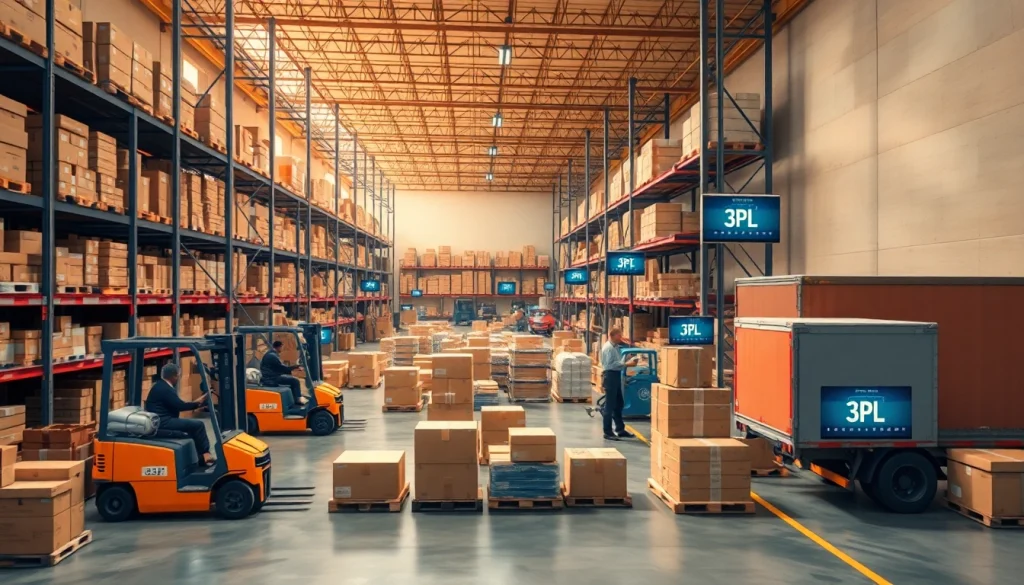
One of the most critical functions of a 3PL is managing storage space and inventory. Efficient warehousing strategies are essential for any business that sells physical products:
- Storage Solutions: 3PLs offer strategically located warehouses, ensuring faster delivery times and reduced shipping costs.
- Inventory Control: Utilization of cutting-edge technology allows for real-time inventory tracking, minimizing stockouts and overstock situations.
- Value-Added Services: Many 3PL providers offer additional services such as kitting, labeling, and assembly, which can enhance product offerings.
Order Fulfillment and Distribution
Order fulfillment encompasses the processes of picking, packing, and delivering products to customers. This section of logistics is paramount in maintaining customer satisfaction:
- Efficient Order Processing: Advanced systems enable quick order processing and fulfillment, which is crucial for maintaining competitive edge.
- Flexible Shipping Options: 3PLs have relationships with multiple carriers, offering businesses the flexibility to choose the best shipping methods based on cost and speed.
- Returns Management: 3PLs often handle reverse logistics, providing efficient returns processing, which enhances customer satisfaction.
Transportation Management and Logistics
Transportation is a fundamental element of logistics, and a 3PL provider aids businesses in optimizing their transportation strategies:
- Route Optimization: By analyzing shipping routes, 3PLs can determine the most efficient paths, reducing delivery times and costs.
- Capacity Management: 3PL providers effectively manage vehicle capacity to maximize loads and minimize empty miles.
- Compliance and Documentation: 3PLs ensure compliance with regulations and manage essential shipping documentation, minimizing potential legal and operational risks.
Choosing the Right 3PL Partner
Selecting the ideal 3PL partner is crucial for ensuring a successful logistics strategy. Here are some essential factors to consider:
Factors to Consider when Selecting a 3PL
When evaluating potential 3PL providers, several factors should influence your decision:
- Experience and Reputation: Research the provider’s track record and client testimonials.
- Service Offerings: Ensure they provide the specific services your business requires.
- Technological Capabilities: Investigate whether the 3PL utilizes up-to-date technology for inventory management and order tracking.
Assessment of Service Capabilities
Potential 3PL partners should offer a comprehensive range of services tailored to meet your unique logistics needs:
- Customization: Assess the ability of the 3PL to tailor their services to align with your business model.
- Scale: Ensure they can accommodate growth and fluctuations in your business size.
- Support: Evaluate the quality of customer service and support offered by the provider.
Cost Analysis and Budgeting
While cost should not be the only factor, it is undoubtedly a critical one:
- Transparent Pricing: Ensure no hidden fees exist, and obtain clear pricing on all services.
- Value Proposition: Focus not just on cost savings, but also on the overall value and efficiency improvements the 3PL can provide.
- Long-Term Relationship: Consider the potential for a long-term partnership, evaluating costs associated with changes or switches in providers.
Challenges in the 3PL Sector
While 3PL provides significant benefits, it also faces unique challenges. Understanding these challenges is essential for optimizing logistics strategies:
Common Issues Faced by 3PL Providers
3PL providers encounter various obstacles that can impact service quality:
- Capacity Constraints: Fluctuations in demand can strain logistics capacity and impact service fulfillment.
- Technological Integration: With rapid advancements in technology, some 3PLs struggle to keep systems up-to-date and integrated seamlessly.
- Regulatory Compliance: Keeping pace with changing logistics regulations presents ongoing challenges.
Solutions to Overcome Operational Challenges
To address these challenges, 3PL providers can implement several strategic solutions:
- Strategic Partnerships: Building alliances with various carriers and suppliers can diversify capacity.
- Adoption of Technology: Investing in state-of-the-art technology systems can streamline operations and enhance efficiencies.
- Continuous Training: Equipping staff with ongoing training and education can improve compliance handling and overall service quality.
Impact of Technology on 3PL Challenges
Technological advancements are reshaping the logistics landscape:
- Automation: Increased automation in warehouses and fulfillment centers improves efficiency and reduces labor costs.
- Data Analytics: Utilizing analytics tools helps anticipate demand trends, allowing for better inventory management and transportation planning.
- Cloud-Based Solutions: Many 3PL providers are shifting towards cloud solutions for real-time data access, enhancing collaboration and decision-making.
Future Trends in 3PL Services
As the logistics landscape evolves, several trends are shaping the future of 3PL services:
Advancements in Technology and Automation
Technological innovations continue to redefine how 3PL providers operate:
- Robotics in Warehousing: Automated systems are increasingly being adopted in warehouses, optimizing storage, and order fulfillment processes.
- Artificial Intelligence: AI is being utilized for data analysis, enabling 3PL providers to make more informed decisions and improve service delivery.
Shifts in Consumer Expectations and Logistics
Consumer behavior is significantly influencing logistics services:
- Demand for Speed: Consumers now expect faster shipping and delivery services, prompting 3PLs to innovate accordingly.
- Personalization: Customers desire tailored services, requiring 3PLs to offer flexible solutions that cater to individual needs.
The Role of Sustainability in 3PL Strategies
Sustainability is becoming a priority in logistics:
- Eco-Friendly Practices: 3PL providers are adopting greener practices, such as using energy-efficient vehicles and warehouses.
- Carbon Footprint Reduction: Many providers are implementing strategies to reduce their overall carbon footprint, aligning with consumer demand for sustainability.
In conclusion, the landscape of third-party logistics is evolving rapidly. Understanding the critical functions, challenges, and future trends associated with 3PL not only empowers companies to achieve operational efficiencies but also enables them to meet and exceed customer expectations in the ever-changing market. By carefully selecting a competent 3PL partner and embracing innovative logistics solutions, businesses can significantly enhance their supply chain performance.