Understanding Metal Roofing
What is Metal Roofing?
Metal roofing refers to roofing systems made from metal pieces or tiles, which can include materials like steel, aluminum, copper, and zinc. These roofs are crafted from a range of metals in various styles, giving homeowners a blend of aesthetic appeal and practical performance. Unlike traditional asphalt shingles, metal roofing is designed to provide longevity and modernity, making it an increasingly popular choice for both residential and commercial applications. For those considering upgrades, metal roofing stands out due to its robust characteristics.
Benefits of Metal Roofing
Metal roofing offers numerous advantages that make it a desirable option for many homeowners. Some of the key benefits include:
- Durability: Metal roofs can withstand severe weather conditions including heavy rain, snow, and even hail, often outlasting traditional roofing materials.
- Low Maintenance: With their resistance to rot, mildew, and pests, metal roofing systems require minimal upkeep compared to other roof types.
- Energy Efficiency: Reflective coatings help reduce cooling costs, saving homeowners money over time.
- Eco-Friendly: Many metal roofing products are made from recycled materials and are recyclable after their service life.
- Variety of Styles: Available in various designs, colors, and finishes, metal roofs can enhance the aesthetic appeal of any structure.
Types of Metal Roofing Materials
There are several types of metal roofing materials available, each with unique characteristics:
- Steel: Galvanized or Galvalume steel is a popular choice due to its strength and affordability.
- Aluminum: Lightweight and resistant to rust, aluminum roofing is ideal for coastal regions.
- Copper: Known for its longevity and timeless appearance, copper roofing enhances aesthetic value but comes at a higher cost.
- Zinc: Highly durable and self-healing, zinc roofing is a long-term investment that ages beautifully.
Durability and Longevity
How Long Does Metal Roofing Last?
One of the most remarkable features of metal roofing is its longevity. Depending on the type of metal used, a well-constructed metal roof can last anywhere from 40 to 70 years. Steel roofs often come with a warranty of 30 years, while aluminum can last 50 years or longer. Regular inspections and maintenance can extend this lifespan even further, proving to be a cost-effective roofing solution in the long run.
Weather Resistance of Metal Roofing
Metal roofs are designed to withstand various weather conditions. Their resistance to wind, rain, snow, and hail makes them ideal for regions that experience extreme weather. Many metal roofing materials are rated to withstand winds of up to 140 mph, preventing damage from storms. The reflective properties of metal roofing also help prevent ice build-up, reducing the risk of roof collapse due to heavy snow loads.
Maintenance Tips for Metal Roofing
While metal roofs require less maintenance than traditional roofs, some best practices can ensure their longevity:
- Regular Inspections: Check for loose panels, rust spots, and any signs of wear.
- Cleaning: Remove debris and dirt that may accumulate on the roof surface to prevent corrosion.
- Maintaining Gutters: Ensure gutters and downspouts are clear to facilitate proper water drainage.
- Paint/Recoat: If your metal roof has a protective coating, it may need to be reapplied every ten years.
Energy Efficiency
How Metal Roofing Helps in Energy Savings
Metal roofs are naturally energy-efficient because they reflect solar heat, keeping homes cooler during the summer months. This reflectivity helps reduce air conditioning costs significantly. Homeowners may see energy savings of up to 25% depending on the climate zone. Additionally, many metal roofing products now come with Energy Star ratings, providing potential tax incentives for homeowners.
Reflectivity and Insulation Properties
The energy-efficient capabilities of metal roofing stem largely from its reflective properties. Choosing lighter-colored roofing materials can enhance these benefits by reflecting more sunlight. Moreover, when combined with proper insulation systems, metal roofs can contribute to substantial energy performance throughout the year, maintaining a stable indoor temperature.
The Role of Color in Energy Efficiency
The color of metal roofing plays a pivotal role in energy efficiency. Lighter colors reflect sunlight, while darker colors absorb heat. Homeowners should consider their local climate when selecting colors for their metal roof. In hotter climates, shades like white, light gray, or beige are preferable, whereas cooler climates may benefit from darker colors due to their heat absorption qualities.
Installation Process
Preparing for Metal Roofing Installation
Preparing for the installation of a metal roof involves several important steps:
- Choosing the Right Material: Research and select the type of metal roofing that best fits your needs and budget.
- Hiring Professionals: While some may choose DIY installation, hiring a qualified roofing contractor ensures a proper fit and finish.
- Permits and Codes: Check with local building authorities to obtain any necessary permits and understand installation codes.
- Material Delivery: Schedule the delivery of all materials to ensure a seamless installation process.
Step-by-Step Installation Guide
The installation of metal roofing typically follows these steps:
- Remove Old Roofing: Strip down any existing roofing material to expose the roof deck.
- Inspect and Repair Roof Deck: Ensure the roof deck is in good condition and replace any damaged sections.
- Install Underlayment: Lay down a moisture barrier to protect against leaks.
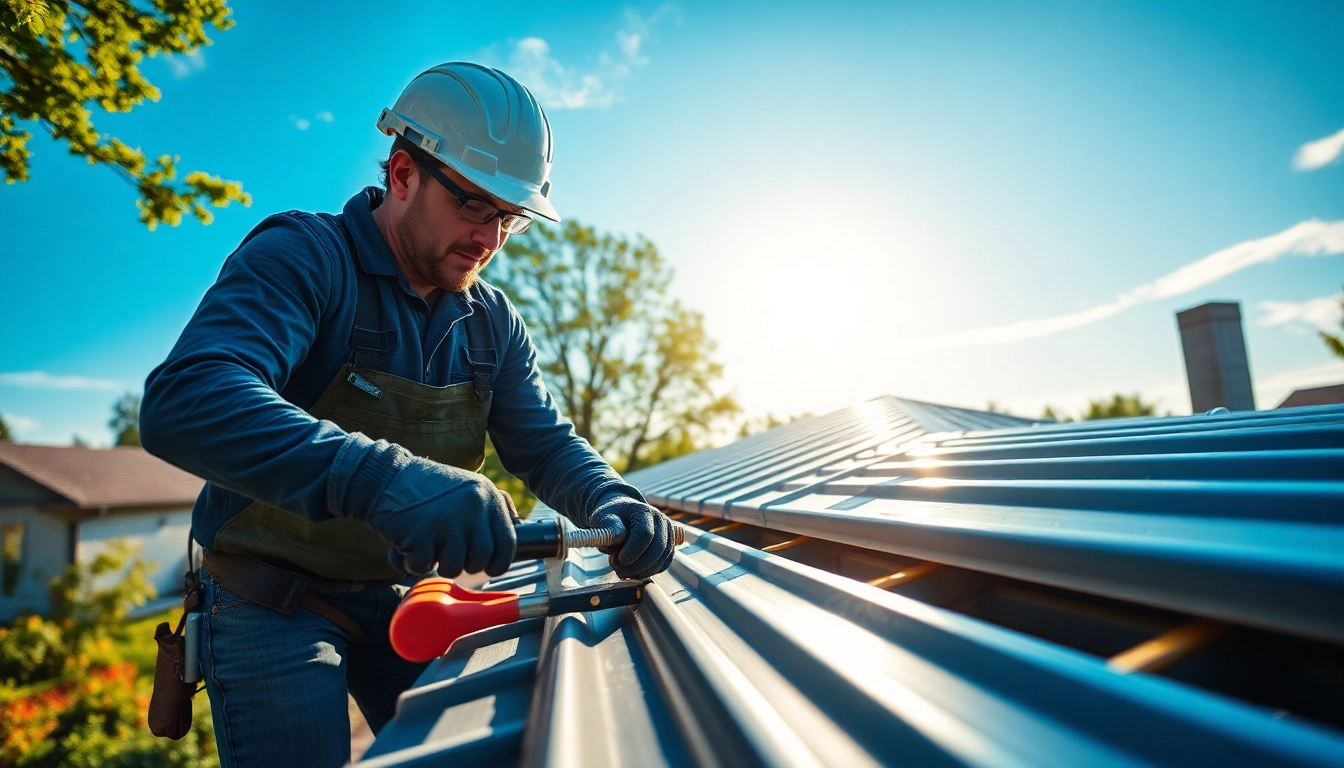
- Install Metal Panels: Begin at the eaves and work toward the ridge, fastening each panel according to manufacturer instructions.
- Add Flashing: Install flashing at roof joints to prevent potential leaks.
- Finishing Touches: Ensure all finishes are secure and conduct a final inspection of the installation.
Cost Factors in Metal Roofing Installation
The cost of installing a metal roof can vary significantly based on several factors, including:
- Material Type: Different metals have varying costs. Aluminum typically costs more, while steel remains affordable.
- Roof Size: Larger roofs require more materials and labor, affecting the total installation price.
- Complexity of Design: Roofs with many angles, dormers, or valleys require more time and skill to install correctly.
- Labor Costs: Hiring experienced professionals can influence overall costs, but it is often worth it for quality workmanship.
FAQs about Metal Roofing
What is the average cost of metal roofing?
The average cost of metal roofing ranges between $5 and $12 per square foot, depending on the material type and installation complexity.
Can metal roofing be installed over existing shingles?
Yes, metal roofing can often be installed over existing shingles, but local building codes and the condition of the old roof should be checked first.
Is metal roofing noisy during rain?
Metal roofing can be noisy during heavy rain; however, proper insulation and underlayment can significantly reduce sound levels.
Does metal roofing require special ventilation?
Metal roofing does not require special ventilation; however, adequate ventilation in the attic is essential to maintain energy efficiency.
Are there color options for metal roofing?
Yes, metal roofing is available in a wide variety of colors and finishes, allowing homeowners to choose an option that suits their style and home design.