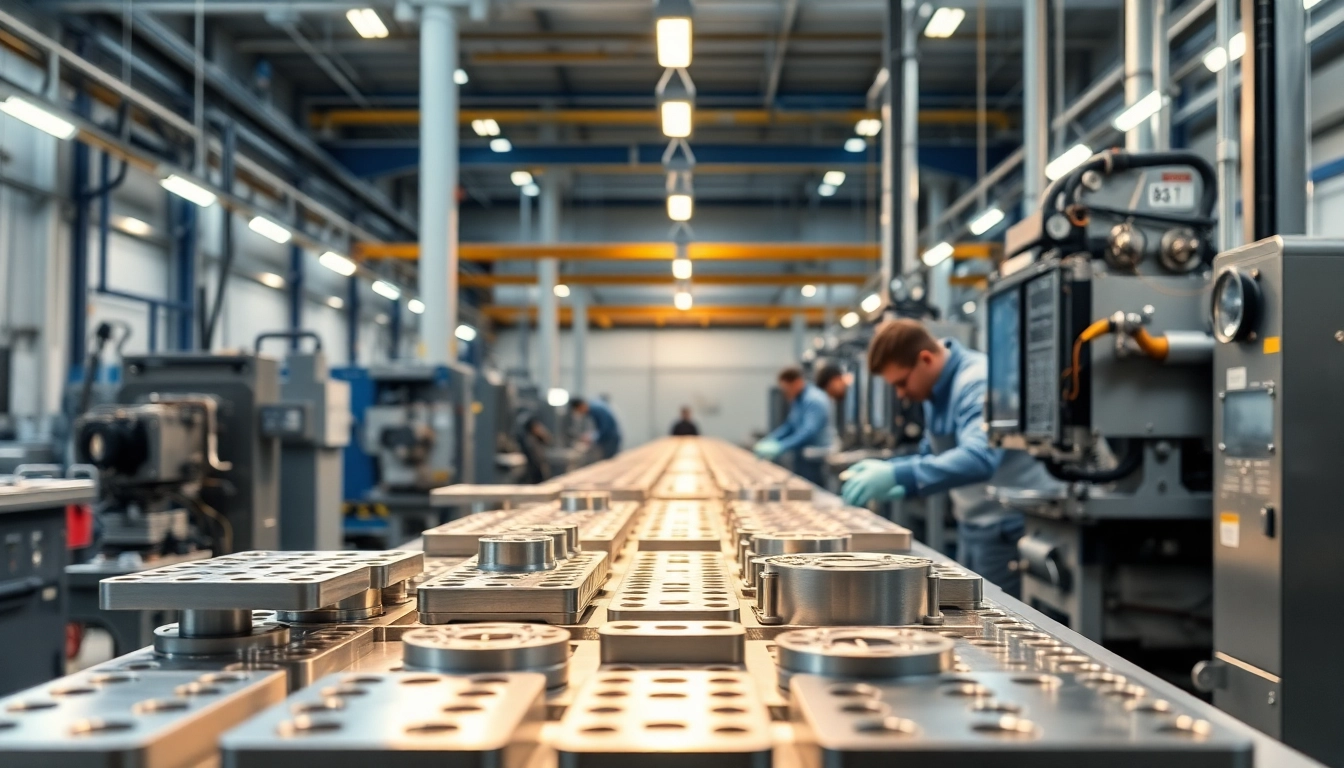

Introduction to Sheet Metal Training
What is Sheet Metal Training?
Sheet metal training encompasses a comprehensive curriculum designed to equip aspiring metal fabricators with hands-on skills and theoretical knowledge in the art of working with sheet metal. This form of training combines technical instruction with practical applications, ensuring students acquire the necessary expertise to succeed in various industries. The training often includes learning about different metal types, their properties, and how to manipulate them safely and effectively. For those seeking a foundational understanding, engaging in sheet metal training is a pivotal step toward a rewarding career in metal fabrication.
Importance of Training in Metal Fabrication
The importance of formal training in metal fabrication cannot be overstated. As the demand for skilled metal workers continues to grow, proper training provides individuals a competitive edge in the job market. Training helps cultivate essential skills such as precision measurements, equipment handling, and an understanding of industry standards. Additionally, trained professionals can contribute to higher efficiency and quality in production processes, maintain workplace safety, and embrace technological advancements in metalworking.
Key Skills Developed in Sheet Metal Training
During sheet metal training, students develop a variety of key skills, including:
- Blueprint Reading: Understanding technical drawings and specifications.
- Measurement Accuracy: Mastering use of tools like calipers and squares for precise measurements.
- Joining Techniques: Learning welding, rivets, and adhesives for metal assembly.
- Finishing Techniques: Mastering how to smooth and polish metals for optimal presentation.
- Safety Awareness: Grasping safety protocols and the proper use of personal protective equipment.
Core Techniques in Sheet Metal Training
Cutting and Shaping Metal
Cutting and shaping are fundamental processes in sheet metal fabrication. Students learn various methods, including laser cutting, shearing, and turning, to create specific shapes and components. Each technique has its advantages depending on the type of metal and the desired end product. For instance, laser cutting offers precision for intricate designs, while shearing is more suitable for bulk work. Learning how to work with different tools, such as band saws or plasma cutting machines, further enhances students’ capabilities.
Joining Methods: Welding and Riveting
Joining methods are at the heart of metal fabrication. Welding involves fusing two metal pieces together using heat, while riveting involves inserting fasteners to hold pieces together. Training provides insights into various welding techniques, such as MIG, TIG, and arc welding, each suited for different applications. Students learn the advantages and limitations of each method, which is essential for choosing the right approach in diverse projects. Mastering these skills enhances both the structural integrity of the products and the efficiency of the fabrication process.
Finishing Techniques
The finishing process in metal fabrication is critical for aesthetics and functionality. Students learn techniques such as sanding, polishing, and anodizing, contributing to the final product’s appearance and durability. Understanding corrosion resistance, surface treatments, and plating can also enhance the lifespan of metal components. Finishing not only elevates the product’s look but also plays a significant role in its performance in various environments and applications.
Safety Practices in Sheet Metal Training
Personal Protective Equipment (PPE)
Safety is paramount in any metalworking environment. Personal Protective Equipment (PPE) includes essentials like gloves, goggles, and hearing protection, all tailored to the specific hazards in a sheet metal working scenario. PPE shields workers from potential injuries such as cuts, burns, and exposure to loud noises, emphasizing the importance of always wearing appropriate gear while operating machinery or handling materials.
Safety Protocols in the Workshop
Establishing a safe working environment requires comprehensive safety protocols. Training includes identifying hazards, proper maintenance of tools, and emergency response plans. Signs and proper labeling in a workshop play critical roles in creating a culture of safety and ensuring all workers are aware of potential dangers. Regular workshops and drills help reinforce these protocols, creating a safer workplace over time.
Handling Tools and Machinery Safely
Safe handling of tools and machinery is crucial. Training includes instructions on operating various equipment, such as press brakes and laser cutters, alongside routine maintenance checks. It’s essential for students to understand the correct setup procedures and safety features of their tools to minimize accidents. Furthermore, hands-on experiences under supervision are vital to instill proper techniques and foster confidence in equipment handling.
Paths to Certification in Sheet Metal Training
Types of Certifications Available
Obtaining certifications is a strategic move that enhances employability. Various certifications exist, such as the National Center for Construction Education and Research (NCCER) and American Welding Society (AWS) certifications. These credential options validate a worker’s skills and knowledge in metal fabrication, opening doors to diverse job opportunities across different industries. Prospective students should explore which certifications are aligned with their career goals.
Preparing for Certification Exams
Preparation for certification exams involves a combination of theoretical study and practical application. Many training programs offer preparatory courses that cover exam content extensively. Utilizing study guides, taking practice tests, and participating in workshops can boost candidates’ confidence and readiness for the assessment. The key is to develop a thorough understanding of both technical concepts and hands-on skills to successfully pass the examinations.
Continuing Education and Skill Advancement
The field of metal fabrication is ever-evolving; thus, continuing education is critical for career advancement. After initial certification, professionals should consider advanced courses or specialized training in niche areas. Workshops, online courses, and industry seminars provide opportunities to stay updated on the latest techniques and technologies, which can enhance job performance and open up avenues for promotions or roles with greater responsibilities.
Career Opportunities After Sheet Metal Training
Industry Demand for Metal Fabricators
The demand for skilled metal fabricators is robust across various industries, including construction, automotive, aerospace, and manufacturing. As infrastructure projects expand, the need for sheet metal workers with specialized skills continues to rise. Training in this field equips individuals to work with diverse materials and manufacturing processes, ensuring they remain attractive candidates in a competitive job market.
Advancing Your Career in the Metal Industry
Advancement opportunities in the metal industry abound for skilled professionals. Entry-level positions can gradually lead to roles such as team leaders or supervisors with experience and further training. Additionally, acquiring certifications or specialized skills in areas like project management, quality assurance, or advanced welding can pave the way to higher positions, boosting both career satisfaction and income potential.
Networking and Professional Development
Networking is a vital component of career growth in the metal fabrication industry. Attending trade shows, joining professional organizations, and participating in workshops allow individuals to connect with industry leaders and peers. These relationships can lead to mentorship opportunities, job referrals, and collaborations on a variety of projects. Continuous professional development is essential for anyone looking to thrive in this dynamic work environment.
Frequently Asked Questions (FAQs)
What is the duration of sheet metal training programs?
Sheet metal training programs typically range from a few months to two years, depending on the depth of the curriculum and whether the student is pursuing a certificate or an associate degree.
Is prior experience necessary for sheet metal training?
No prior experience is required for most sheet metal training programs. These programs are designed for beginners, teaching skills from the ground up.
What types of jobs can I get after completing sheet metal training?
Graduates can pursue careers as metal fabricators, welders, sheet metal mechanics, or quality control inspectors across various industries.
Are there online options for sheet metal training?
Yes, many institutions offer online courses that cover theoretical aspects of sheet metal training, though hands-on practice is essential for skill development.
How important is safety training in sheet metal work?
Safety training is crucial in sheet metal work, as handling tools and machinery poses potential hazards. Proper training reduces the risk of accidents and injuries.